Category: Foundation Crack Repair

Are You Missing These Foundation Crack Signs? Foundation cracks can signal structural problems that deserve prompt attention. Recognising common crack patterns, their likely causes, and appropriate repair and prevention steps helps homeowners protect property and limit further damage. This guide summarises typical crack signs, causes, New England environmental risks, a concise inspection checklist, professional inspection steps, and repair and waterproofing options to keep your home stable and dry. Types of Foundation Cracks Crack shape and orientation point to different issues. Simple identification guides priority and repair choice. Vertical Cracks: Often from settling; commonly less urgent but should be monitored. Horizontal Cracks: Indicate lateral pressure or wall stress and often require prompt professional evaluation. Stair-step Cracks: Typical in brick or block walls and usually signal movement that needs assessment. Note the crack type, width, and location when documenting damage. Implications for Structural Integrity Left unchecked, foundation cracks can worsen and threaten stability. Early evaluation helps avoid progressive damage and rising repair costs. Water Intrusion: Cracks allow moisture entry, promoting mold and additional deterioration. Escalating Costs: Delays increase repair scope and expense. Safety and Value: Severe foundation problems harm occupant safety and reduce market value. Addressing cracks quickly protects structural integrity and financial investment. Recommended Solutions for Repair and Prevention Combine accurate assessment, targeted repair, and preventative work to secure long-term stability. Professional Inspection: A trained inspector evaluates severity and causes. Repair Methods: Common options include epoxy injection, polyurethane for waterproofing, and underpinning for stabilization. Preventative Steps: Improve drainage, maintain landscaping grading, and manage soil moisture. For New England homeowners, CRACK-X provides foundation repair and basement waterproofing services tailored to regional conditions. foundation repair and basement waterproofing services. What Are the Common Signs of Foundation Cracks Homeowners Should Know? Watch for visible and functional indicators that often accompany foundation movement. Visible Cracks: Cracks in walls, floors, or exterior foundation faces. Sticking Doors/Windows: Doors or windows that bind or misalign can indicate shifting. Uneven Floors: Sloping or bouncy floors suggest underlying movement. Early detection reduces the chance of escalation. What Causes Foundation Cracks and How Do They Affect Your Home? Different mechanisms produce cracks; each has distinct implications for repairs and prevention. Soil Movement: Moisture-driven expansion and contraction shifts support. Hydrostatic Pressure: Excess water around the foundation exerts pressure that can crack concrete and walls. Poor Drainage: Failing gutters, grading, or drainage systems worsen water exposure and pressure. Understanding causes helps select effective mitigation and repair strategies. How Do Environmental and Soil Conditions in New England Contribute to Cracks? Local soils and climate increase foundation risk in this region. Clay-rich Soils: Hold water and expand or shrink with moisture changes. Freeze-thaw Cycles: Water freezing in or near cracks can widen damage seasonally. Heavy Rains: Raise hydrostatic pressure and increase water intrusion risk. Target maintenance and drainage improvements to local conditions for best protection. What Are the Typical Foundation Crack Causes Homeowners Should Monitor? Regular checks should focus on the most common root causes. Soil Movement: Watch moisture changes near the foundation. Hydrostatic Pressure: Note standing water or saturated soil. Poor Drainage: Inspect gutters, downspouts, and grading. Monitoring these factors enables earlier intervention and simpler repairs. How to Perform a Foundation Inspection Checklist for Early Crack Detection? Keep inspections simple and regular to spot changes early. Regular Monitoring: Visually inspect walls, floors, and exterior foundation annually and after storms. Document Changes: Photograph and measure cracks; record dates and widths. Schedule Inspections: Arrange professional checks after heavy rain, rapid thaw, or visible progression. Consistent records help professionals assess movement and plan repairs. What Are the Key Steps in a Professional Foundation Crack Inspection? A competent inspection follows a clear sequence to determine severity and options. Assess Crack Severity: Measure width, length, and pattern. Evaluate Structural Integrity: Inspect walls, floors, and adjacent elements for movement. Recommend Repairs: Provide tailored solutions addressing root causes and symptoms. These steps form the basis for effective, long-term repairs. Which Tools and Techniques Help Identify Crack Severity Accurately? Accurate diagnosis combines simple tools with specialist devices and expertise. Basic Tools: Levels, tapes, and straightedges for initial assessment. Measurement Devices: Crack monitors and width gauges to track changes. Professional Techniques: Structural assessments and, when needed, advanced inspections. Using the right tools improves planning and repair outcomes. What Foundation Crack Repair and Waterproofing Solutions Are Available? Several proven methods address cracks and moisture together. Epoxy Injection: Seals cracks and can restore structural capacity. Polyurethane Foam: Expands to block water and fill voids for waterproofing. Underpinning: Stabilises and re-supports foundations by reaching stable soil. Applied correctly, these solutions reduce recurrence and protect structure. Epoxy injection is cited as an effective technique for repairing concrete cracks and restoring structural stiffness when applied according to accepted procedures. Epoxy Injection: An Effective Concrete Crack Repair Method ABSTRACT: Concrete deficiency is a common issue presenting in various forms, including plastic or hardened cracks. Repairing is cost-effective, can rehabilitate deteriorated structures, and extends overall structural life. Epoxy injection is used to repair cracks as narrow as 0.05 mm. This review evaluates the technique's efficiency for normal and high-strength concrete beams and examines factors that affect the improvement ratio of repaired samples, including beam depth, number of drilled injection holes, reinforcement distribution, epoxy viscosity, and crack width. The results indicate that epoxy injection can restore original structure and stiffness when adequate repair procedures are followed. A low-viscosity epoxy is preferred because it penetrates the crack more easily. Evaluating the Efficiency of Epoxy Injection Technique for Repairing Normal and High Strength Concrete Beams— A Critical Review, ZM Abdulqadir, 2022 How Does Professional Foundation Crack Repair Prevent Structural Damage? Professional repairs target causes, restore strength, and reduce moisture risks. Address Root Causes: Fix the soil, drainage, or load issues creating cracks. Restore Integrity: Use materials and methods to regain support and stiffness. Prevent Water Intrusion: Combine structural repair with waterproofing where needed. Qualified contractors reduce long-term costs by treating cause as well as symptom. What Basement Waterproofing Options Protect Against Water Intrusion? Choose solutions that lower hydrostatic pressure and keep interiors dry. Exterior Membranes: Block water before it reaches the foundation. Interior Drainage: Channel water to pumps and away from living spaces. Sump Pumps: Remove collected water in vulnerable basements. Combining exterior and interior systems with regular maintenance gives the best protection. Frequently Asked Questions What are the long-term effects of ignoring foundation cracks? Ignored cracks can widen, admit water, and cause mold, structural decay, higher repair costs, safety risks, and reduced property value. Regular monitoring and timely repairs prevent these outcomes. How can I differentiate between minor and serious foundation cracks? Consider size, orientation, and progression. Hairline vertical cracks are often cosmetic; horizontal or stair-step patterns, wide or rapidly changing cracks, are more serious and need professional assessment. What preventative measures can I take to avoid foundation cracks? Maintain gutters and downspouts, grade soil away from the home, avoid overwatering near the foundation, and keep drainage clear to reduce soil movement. How often should I have my foundation inspected? Have a professional inspection annually and after major weather events like heavy rain or rapid snowmelt to catch new or worsening issues early. What should I do if I notice new cracks in my foundation? Document location and size, monitor for changes, and schedule a qualified foundation specialist to diagnose the cause before attempting repairs. Are DIY foundation repairs effective? Small cosmetic fixes may be suitable for homeowners, but most foundation problems need professional diagnosis and remediation to address root causes and provide durable solutions. What is the role of waterproofing in foundation maintenance? Waterproofing prevents moisture penetration and reduces pressure that can cause cracks. Exterior membranes, interior drainage, and sump pumps are common tools; maintain them regularly, especially in high-rainfall areas. Conclusion Recognising foundation crack types, causes, and appropriate repairs helps protect structural integrity and limit costs. Monitor signs, document changes, and engage qualified professionals for inspections, repairs, and waterproofing to ensure long-term stability and safety.

Are You Missing These Foundation Crack Signs?

Foundation cracks can signal structural problems that deserve prompt attention. Recognizing common crack patterns, their likely causes, and appropriate repair and prevention steps helps homeowners protect property and limit further damage. This guide summarises typical crack signs, causes, New England environmental risks, a concise inspection checklist, professional inspection steps, and repair and waterproofing options to

Read More »
Water-damaged carpet near doorway showing possible indoor moisture or foundation-related water intrusion

Common Causes of Foundation Cracks Explained: Understanding and Addressing Foundation Damage

Foundation cracks often indicate structural problems that require prompt attention. Knowing common causes supports prevention and repair. This article examines crack types, their implications, and environmental contributors—with emphasis on New England—and outlines signs to watch for and practical repair approaches. Early identification helps homeowners protect their property and limit repair costs. Types of Foundation Cracks

Read More »
Structural Engineering & Home Repair Workshop - Events in Connecticut

What to Look for in Foundation Repair Services: Expert Guidance for Homeowners and Building Professionals

Foundation problems threaten a property’s safety and value. This guide helps homeowners and building professionals spot foundation damage, recognize common crack types, evaluate repair options, and choose local contractors in the New England region. Early detection reduces costs and preserves structural stability. Identifying Signs of Foundation Damage Watch for visible wall cracks, damp patches, and

Read More »
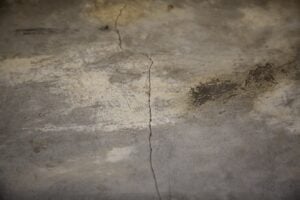
Close-up of a vertical foundation crack in a concrete basement wall requiring professional repair

Foundation Repair FAQs Every Homeowner Should Know

Foundation problems can be stressful for homeowners, especially when cracks begin appearing in walls, floors, or basement foundations. Questions about structural stability, repair costs, and water intrusion often arise long before homeowners know whether professional repairs are necessary. Understanding the most common foundation concerns can help you identify problems early, make informed decisions, and protect

Read More »
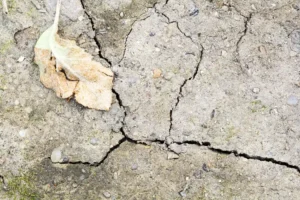
Cracked ground caused by seasonal soil movement and changing weather conditions affecting foundation stability

How to Fix Foundation Cracks Effectively: Expert Foundation Crack Repair Solutions

Foundation cracks often indicate structural issues that can worsen if ignored. This guide summarizes proven repair options, common causes, step-by-step repair procedures, basement waterproofing, and typical costs so you can manage cracks and protect your home’s stability. Key Takeaways Foundation cracks often signal structural issues that require timely professional assessment for effective repair. Common repair

Read More »
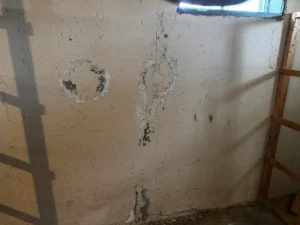
Basement foundation wall showing vertical crack, moisture damage, and signs of water intrusion

Foundation Repair Companies Near Me: Trusted Solutions for Homeowners

When facing structural damage, finding reliable foundation repair companies near me is essential for homeowners. This article explains common signs of foundation problems—such as wall cracks, water intrusion, and uneven floors—alongside effective repair methods, basement waterproofing benefits, and factors that influence repair costs specifically for New England residents. Key Takeaways Foundation repair contractors near me

Read More »
cementing the foundation in the ground when building a house

Effective Foundation Waterproofing Techniques for Homeowners: Reliable Solutions to Prevent Water Damage

Water damage can cause costly repairs and compromise a home’s structure. Foundation waterproofing prevents moisture intrusion and preserves structural integrity. This article outlines proven methods, practical best practices, and signs of foundation water problems to help homeowners address moisture promptly. Reliable Solutions to Prevent Water Damage Preventing water damage requires routine inspections and proper drainage.

Read More »
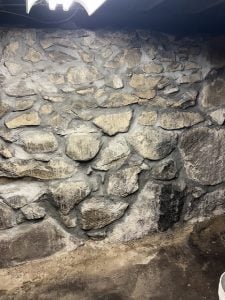
stone foundation wall showing moisture damage and crack repair in basement

Foundation Repair Tips to Prevent Costly Foundation Damage: Essential Guidance for Homeowners

Foundation damage can cause major structural problems. This article provides concise, practical guidance on maintaining foundation integrity, recognising early warning signs, common causes in New England, and when to seek professional help so homeowners can protect their properties. Maintenance Practices Regular, simple maintenance reduces the chance of costly foundation repairs. Focus on these core practices:

Read More »
Selective focus on the blistered surface of cement wall. Swollen color wall from the moisture

Understanding How Seasonal Discounts Can Lower Your Repair Costs This Year

Seasonal discounts can reduce the cost of home repairs, especially for foundation and basement issues. Structural problems can become more expensive if delayed around seasonal shifts. This article explains how discounts lower costs, summarizes common repair issues, shows how promotions work, and highlights the best times to schedule repairs for savings. What Are Common Foundation and

Read More »
Environmental Benefits of Basement Waterproofing What You Need to Know

Signs Your Foundation Needs Immediate Attention: Comprehensive Guide to Foundation Crack Repair and Basement Waterproofing

Foundation problems can cause major structural damage if not addressed promptly. Homeowners frequently miss early warning signs that lead to costly repairs. This guide explains the key indicators that require immediate attention, outlines the steps for repairing foundation cracks, and presents effective basement waterproofing options. With this information, you can act early to protect your

Read More »
Scroll to Top