
 MORE LOCATIONS
Foundation damage can cause major structural problems. This article provides concise, practical guidance on maintaining foundation integrity, recognising early warning signs, common causes in New England, and when to seek professional help so homeowners can protect their properties.
Maintenance Practices
Regular, simple maintenance reduces the chance of costly foundation repairs. Focus on these core practices:
- Conduct Regular Inspections : Check foundations, basements, and visible walls for new or spreading cracks and signs of movement.
- Implement Good Drainage Practices : Keep gutters, downspouts, and grading working so water is diverted away from the foundation.
- Manage Soil Moisture : Maintain consistent moisture near foundations—avoid prolonged saturation and extreme drying that cause soil movement.
For homeowners seeking professional help, CRACK-X of New England specializes in foundation repair and basement waterproofing, including crack injection and drainage installation.
Early Signs of Damage
Early detection lets you address issues before they worsen. Watch for these indicators:
- Visible Cracks : Note location, width, and whether cracks grow.
- Sticking Doors and Windows : Difficult-to-open doors or windows can signal a foundation shift.
- Uneven Floors : Sloping or bouncy floors may indicate settling or structural movement.
Spotting these signs early reduces the chance of extensive repairs.
Research emphasizes the value of prompt action to avoid structural failure and higher intervention costs.
Residential Foundation Failure: Causes, Damage, and Repair
Foundations that move beyond their load-bearing capacity can fail, causing distortion and damage to the superstructure. Repair measures restore performance and help prevent further failure. This study examines a case of residential foundation failure.
A case study of foundation failure in the existing residential building, IY Salena, 2018
Identifying Foundation Cracks and Their Severity
Different crack types suggest different levels of concern. Use type and behavior to prioritize action:
- Hairline Cracks : Often cosmetic; monitor for changes over time.
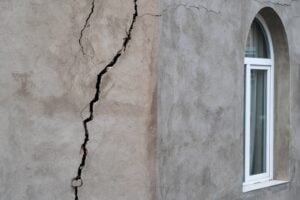
- Vertical Cracks : Common with settling; widening cracks need inspection.
- Horizontal Cracks : More serious—may indicate lateral pressure and merit professional evaluation.
Track crack progression and get a professional assessment for widening or erratic patterns.
Indicators of Basement Moisture and Water Intrusion
Basement moisture can undermine a foundation. Look for these symptoms:
- Musty Odors : Persistent damp smells usually mean ongoing moisture.
- Water Stains : Stains or efflorescence on walls/floors show past or present intrusion.
- Persistent Dampness : Continuous damp areas despite drying efforts indicate a chronic problem.
Address moisture issues promptly to prevent long-term foundation and indoor-air concerns.
Causes of Foundation Cracks in New England Homes
New England homes face environmental stresses that increase crack risk. Key causes include:
- Hydrostatic Pressure : Excess groundwater can push against foundation walls.
- Freeze-Thaw Cycles : Repeated freezing and thawing causes soil expansion and contraction.
- Soil Movement : Changes in moisture or composition can lead to settling and shifts.
Understanding local causes helps you choose effective prevention and remediation measures.
Impact of Soil Types and Freeze-Thaw Cycles
Soil type strongly affects foundation behavior; clay-rich soils and freeze-thaw action are frequent problems in this region:
- Clay-Heavy Soils : Expand when wet and shrink when dry, creating movement.
- Freeze-Thaw Cycles : Exacerbate soil movement and expand small problems into larger ones.
- Soil Composition : Knowing your soil supports better drainage and moisture-management choices.
Assess soil and weather patterns when planning drainage and foundation work.
Role of Poor Drainage in Structural Damage
Inadequate drainage is a common and preventable contributor to foundation damage:
- Increased Hydrostatic Pressure : Standing water raises lateral loads on foundation walls.
- Water Accumulation : Pooled water erodes soil and undermines support.
- Inadequate Drainage Systems : Missing or blocked systems leave foundations exposed to moisture.
Installing or repairing gutters, downspouts, and site grading is essential to reduce water-related stress.
When to Seek Professional Help
Consult a foundation specialist if conditions indicate ongoing or structural risk.
- Growing Cracks : Expanding or suddenly changing cracks warrant inspection.
- Water Intrusion Issues : Chronic basement water or new staining needs prompt attention.
- Structural Changes : Doors/windows that no longer fit or new sloping floors indicate possible structural movement.
Professional evaluation reduces the risk of escalating repair costs and missed structural problems.
How to Choose Reliable Foundation Repair Experts in New England
Select a contractor with local experience, solid references, and a full set of services:
- Look for Local Expertise : Choose firms familiar with New England soils and weather patterns.
- Check Reviews and References : Verify past work and customer satisfaction.
- Ensure Comprehensive Services : Prefer contractors who inspect, repair, and offer waterproofing.
Following these criteria helps you find reliable professionals who address root causes and not just symptoms.
What Are the Benefits of Early Foundation Maintenance and Repair?
Early, proactive maintenance saves money and reduces risk:
- Cost Savings : Fixing small issues early prevents larger repairs.
- Safety Improvements : A sound foundation protects occupants and the structure.
- Prevention of Further Damage : Routine care avoids progressive structural decline.
Investing in early maintenance preserves property value and reduces long-term costs.
Studies show proactive measures and improved detection methods boost long-term stability and lower maintenance expenses.
Early Detection of Foundation Settlements: Cost-Effective Maintenance
Preservation of historic masonry buildings requires precise identification of structural issues, such as foundation settlements, which can compromise stability. Traditional detection methods—visual inspection, non-destructive testing, or complex numerical simulations—can be time-consuming and may lack real-time data. This study proposes a machine learning methodology capable of identifying both the position and severity of foundation settlements by analyzing the static and dynamic response of masonry buildings. The approach enables real-time monitoring and early detection of structural issues, offering a nonintrusive and cost-effective solution for maintaining historic structures.
Machine Learning for Detecting Foundation Settlements in Historic Masonry Buildings Using Heterogeneous Monitoring Data, F Ávila, 2025
For more information on services, visit CRACK-X’s services page to review available options.
Understanding the roles of foundation repair and waterproofing helps homeowners choose effective solutions.
Early intervention and professional guidance help maintain a safe, stable foundation.
Frequently Asked Questions
What are the common causes of foundation damage in homes?
Common causes include poor drainage, soil movement, freeze-thaw cycles, and hydrostatic pressure in New England. Nearby trees and construction can also affect stability. Identifying the cause helps target remedies.
How can I tell if my foundation issues are serious?
Serious problems include large or growing cracks, doors/windows that stick, and noticeably sloping floors. If you see any of these, arrange a professional assessment promptly.
What maintenance practices can help prevent foundation problems?
Inspect foundations regularly, keep gutters and downspouts clear, maintain proper grading, and manage soil moisture around the house. Routine checks prevent small issues from worsening.
How often should I inspect my foundation?
Inspect at least twice a year—spring and fall—and after heavy storms or significant weather events. Frequent checks support early detection and timely repairs.
What should I do if I find cracks in my foundation?
Note crack location, width, and whether it changes. Monitor hairline cracks; consult a professional for large, widening, or horizontal cracks to determine appropriate repairs.
Are there DIY solutions for minor foundation issues?
Small cosmetic cracks can be sealed with epoxy or masonry sealants, but DIY fixes are limited. Structural cracks and movement require professional evaluation and permanent repair.
How can I choose the right foundation repair contractor?
Choose a contractor with local experience, positive reviews, clear warranties, and comprehensive services (inspection, repair, waterproofing). Ask for references and written estimates.
Conclusion
Maintaining your foundation through regular inspections, good drainage, and prompt repairs protects your home’s safety and value. Recognize warning signs and seek professional help when needed. For expert assistance tailored to your situation, review professional foundation repair services.