
 MORE LOCATIONS
Foundation cracks often indicate structural issues that can worsen if ignored. This guide summarizes proven repair options, common causes, step-by-step repair procedures, basement waterproofing, and typical costs so you can manage cracks and protect your home’s stability.
 Several proven repair approaches deliver lasting results. Common methods include:
What Waterproofing Techniques Prevent Water Intrusion?
Common waterproofing techniques include:
Key Takeaways
- Foundation cracks often signal structural issues that require timely professional assessment for effective repair.
- Common repair methods include epoxy injection, polyurethane foam sealing, and structural stabilization with underpinning or piers.
- Soil movement, poor drainage, and construction flaws are primary causes of foundation cracks.
- Identifying crack types, such as hairline, vertical, or horizontal, guides appropriate repair strategies.
- Basement waterproofing techniques like membranes and sump pumps help prevent water-related foundation damage.
- Repair costs vary by method, ranging from $300 for sealing to $3,000 for structural stabilization.
- Scheduling repairs promptly limits damage severity and reduces overall repair costs.
- Preventative measures include maintaining drainage systems and controlling moisture around the foundation.
- DIY repairs suit minor cracks, but professional intervention is necessary for structural or active cracks.
Expert Repair Solutions for Foundation Cracks:
Several proven repair approaches deliver lasting results. Common methods include:
- Professional Assessment: A qualified foundation specialist evaluates damage, identifies root causes, and recommends the best repair approach.
- Injection Repair Techniques: Epoxy injection and polyurethane foam seal cracks to block water and stop deterioration.
- Structural Repair Options: Severe cases may need underpinning or piers to stabilize and level the foundation.
Common Causes of Foundation Cracks:
Cracks result from several typical causes:- Soil Movement: Moisture-driven expansion and contraction can stress foundations.
- Poor Drainage: Standing water around the foundation increases lateral pressure and risk of cracking.
- Construction Issues: Inadequate footings or poor materials reduce long-term stability.
Step-by-Step Methods for Repairing Foundation Cracks:
Follow a clear sequence for reliable repairs:- Inspection Process: Inspect cracks, note width, length, and any movement, and identify related problems (drainage, soil).
- Preparation Steps: Clean and prepare cracks for the chosen repair material, removing loose concrete and debris.
- Curing and Follow-Up: Allow recommended curing time and schedule periodic inspections to ensure repairs hold.
What Are the Common Types and Causes of Foundation Cracks?
Recognizing crack types guides the response.How to Identify Different Foundation Crack Types
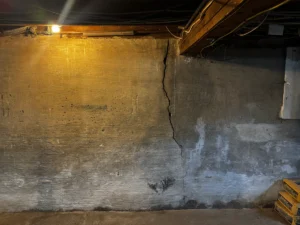
Common crack types include:- Hairline Cracks: Small, superficial; monitor and seal if needed.
- Vertical Cracks: Often from settling; may require assessment if wide or active.
- Horizontal Cracks: Usually caused by lateral soil or water pressure and need prompt attention.
What Factors Contribute to Foundation Cracks in New England?
Regional conditions affect foundations:- Impact of Freeze-Thaw Cycles: Repeated freezing and thawing causes soil movement that stresses foundations.
- Soil Types in New England: Clay-rich soils hold moisture and amplify movement.
Which Repair Methods Are Most Effective for Foundation Crack Sealing?
Effective sealing options vary by crack type and purpose.How Does Epoxy Injection Repair Foundation Cracks?
Epoxy injection process:- Assessment and Preparation: Prepare the crack for injection.
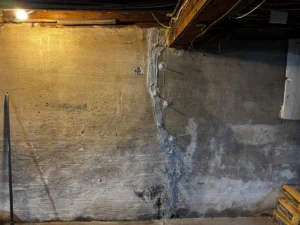
- Injection Process: Inject epoxy under pressure to fill voids and bond concrete.
- Curing: Epoxy cures to form a strong, water-resistant seal suitable for structural cracks.
What Are the Benefits of Polyurethane Foam Sealing?
Polyurethane offers:- Waterproofing Capabilities: Expanding foam fills gaps and blocks water entry.
- Cost-Effectiveness: Often less costly than some structural options while providing good waterproofing.
How Do Basement Waterproofing Solutions Protect Against Foundation Damage?
Water control reduces pressure and soil movement that damage foundations.What Waterproofing Techniques Prevent Water Intrusion?
Common waterproofing techniques include:
- Waterproofing Membranes: Surface barriers that block water penetration through walls.
- Sump Pumps: Remove collected water inside basements to prevent flooding.
How Does Structural Stabilization Support Foundation Integrity?
Stabilization methods provide long-term support:- Control Moisture: Manage surrounding water to limit soil movement.
- Enhance Longevity: Proper stabilization keeps the foundation secure and reduces future cracking.
What Are the Typical Costs and Scheduling Considerations for Foundation Crack Repair?
Costs and timing depend on severity and chosen method.How to Estimate the Cost to Repair Foundation Cracks
Costs vary by:- Type of Damage: Structural repairs cost more than simple sealants.
- Repair Method: Epoxy, polyurethane, and stabilization methods have different price ranges.
What Is the Recommended Timeline for Scheduling Repairs?
Schedule repairs promptly—ideally within weeks of detection—to limit damage and cost. Delays can increase the required scope of work.| Repair Method | Estimated Cost | Effectiveness |
|---|---|---|
| Epoxy Injection | $300 – $1,500 | High |
| Polyurethane Foam Sealing | $300 – $1,000 | Moderate |
| Structural Stabilization | $1,000 – $3,000 | Very High |