
 MORE LOCATIONS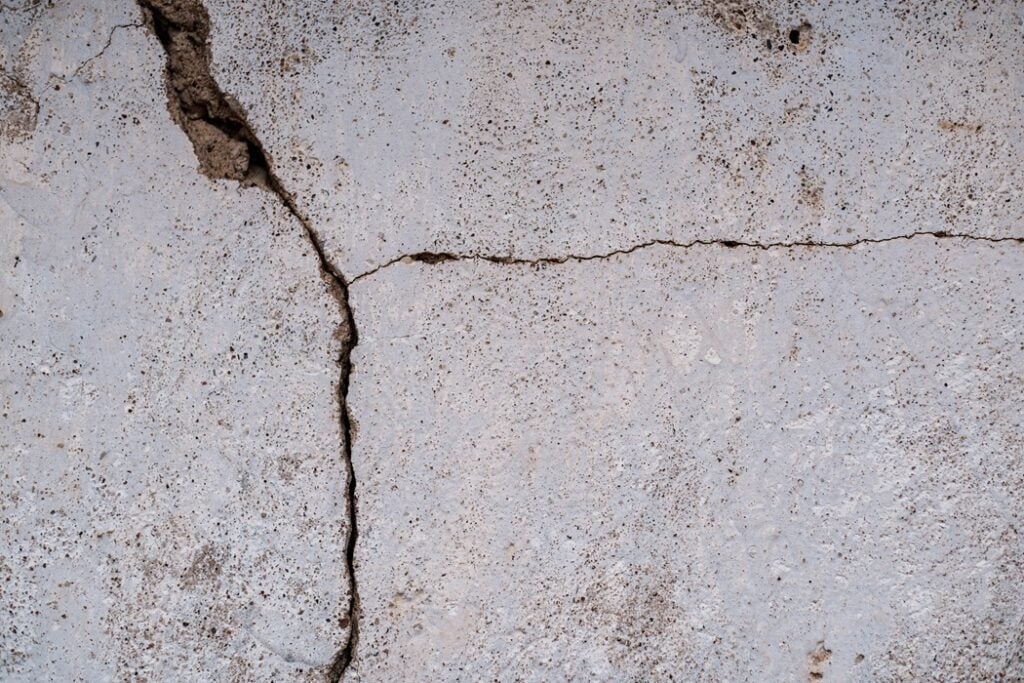
Hairline vs. Structural Cracks: How to Identify Foundation Floor Damage
If you’re a homeowner who has recently spotted cracks in your basement or slab floor, this article is written for you. You’re likely worried about what the crack means, whether it’s dangerous, and if it’s going to turn into a costly repair. It’s a stressful place to be, especially when every Google search says something different. This is exactly where companies like Crack X step in, helping people figure out what type of crack they’re dealing with and whether it needs repair or simple monitoring. In this article, you’ll learn how to tell the difference between hairline and structural foundation floor cracks so you can take the right next step.
Why Floor Cracks Occur in the First Place?
Floor cracks show up for different reasons: normal concrete shrinkage, temperature swings, or shifts in soil under the slab. Some cracks are totally normal and harmless. Others point to foundation movement, moisture issues, or long-term structural stress.
However, homeowners don’t know which is which until the problem grows. Understanding the early signs saves your budget, your floors, and your peace of mind.
What Counts as a Hairline Crack?
Hairline cracks are the thin, shallow lines you’ll often see in older basements or even newly poured slabs. They’re usually less than 1/16 of an inch wide and mainly cosmetic. They often happen because concrete shrinks while curing, something you can’t fully prevent.
If you live in New England, you’ll see these more often simply because seasonal freeze-thaw cycles put extra stress on concrete. Most hairline cracks don’t grow or cause structural issues. But moisture can still seep through them, which is why many homeowners get the cracks sealed professionally just to avoid long-term dampness and basement humidity.
What Makes a Crack Structural?
Structural cracks are wider, deeper, and often longer. They’re not just surface-level patterns; they form when the foundation shifts, sinks, or carries more pressure than it should. If a crack looks big enough to slide a coin into, spreads across multiple areas, or appears with uneven flooring, it’s usually more than cosmetic.
These cracks matter because they signal real movement under the home, not just concrete aging. In towns with clay-heavy soil or homes built on sloped lots, structural cracks are more common. They can expand fast if ignored, especially after heavy rainfall or frost. If this feels overwhelming, professionals like Crack X provide help through inspections and long-term repair options.
Key Differences at a Glance
It’s easy to confuse the two types, so here’s a simple way to think about it in real-life terms:
- A hairline crack sits on the surface and doesn’t change the shape of the floor.
- A structural crack shows movement, wider areas, uneven edges, or depth that goes beyond the top layer.
- A hairline crack might annoy you visually.
- A structural crack impacts your home’s stability or moisture resistance.
Not every crack that looks big is dangerous, but every suspicious crack deserves a second look.
Signs Your Floor Crack Needs Professional Attention
If you notice any of these, it’s worth having someone look at the crack sooner rather than later:
- The crack keeps widening over weeks or months.
- You see vertical displacement with one side higher than the other.
- The crack links to other cracks on the walls or near support columns.
- Water keeps pooling or leaking through the crack.
- You feel soft spots, dips, or vibrating sections in the floor.
These patterns usually point to soil settlement, hydrostatic pressure, or foundation movement, none of which fix themselves.
How Pros Determine Crack Type
A technician doesn’t just look at the crack; they look at the story around it. They check direction, width, depth, moisture, and nearby stress points. They’ll sometimes mark cracks and track growth.
They might also inspect outside grading, gutters, and nearby foundation walls. Crack X often finds that homeowners misjudge cracks simply because they’re looking from the top down, not at what’s happening underneath.
What You Should Do If You’re Unsure
If you’re genuinely not sure whether a crack is minor or serious, treat it like a medical symptom, get it checked. Foundation floors don’t heal themselves. They either stabilize or get worse.
Professionals inspect the crack, explain what type it is, and whether it needs sealing, reinforcement, or deeper repair. Sometimes the fix is small, and sometimes catching it early saves thousands. Either way, you’re not guessing.
Final Thoughts
Floor cracks aren’t always a sign of disaster, but they’re never something to ignore. Knowing the difference between a harmless hairline crack and a structural one helps you protect your home, your budget, and your peace of mind.
When the crack looks questionable or keeps changing, having a trusted professional like Crack X evaluate it is the safest and smartest move.
Since 1985, Crack X has provided permanent foundation crack repair and waterproofing across Massachusetts, New Hampshire, Maine, Rhode Island, and Connecticut. Our family-owned team uses proven epoxy and urethane injection methods to restore concrete integrity and protect homes from water intrusion. Call 877-272-2539 to schedule a professional inspection.
FAQs
What is considered a structural floor crack?
A structural crack is wide, deep, or uneven and is usually caused by foundation movement or soil pressure, not basic shrinkage.
Can hairline cracks in concrete get worse?
Yes, they can grow if moisture, freeze-thaw cycles, or foundation movement worsen the weakness, but many stay stable for years.
When should I worry about a floor crack?
If the crack widens, gets uneven, shows moisture, or connects to wall cracks, it’s time to get it checked.
How do you know if a crack is serious?
Depth, width, and movement over time are the biggest clues. If a coin fits into it or one side is higher, it’s likely serious.