
 MORE LOCATIONS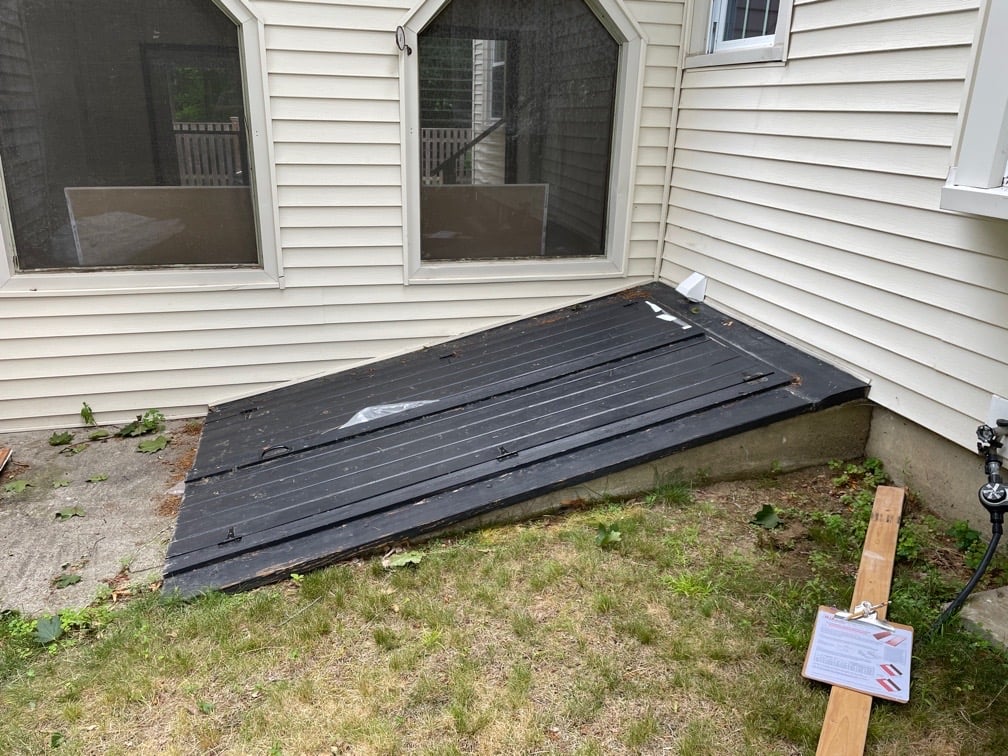
Common Bulkhead Waterproofing Mistakes Homeowners Should Avoid
If you’re a New England homeowner with a basement entry or Bilco-style hatchway, you already know how quickly water can find its way inside after a heavy rain. Bulkhead doors are notorious leak points, and while sealing them. By understanding the most common bulkhead waterproofing errors, you can protect your home.
1. Ignoring Hairline Cracks Around the Bulkhead Joints
Those tiny lines where the concrete bulkhead meets the foundation wall may look harmless, but they act like miniature water channels during storms. Many homeowners simply patch them over with hardware-store caulk.
Over time, the joint flexes, the caulk separates, and leaks return. A professional injection using urethane or epoxy seals the joint deep within the crack, stopping water at its source.
2. Using the Wrong Sealant or Paint
Latex paint and standard silicone caulk aren’t designed for below-grade conditions. They break down fast under pressure and temperature swings. Bulkhead areas need industrial-grade waterproof membranes or hydraulic cement that expands as it cures. Applying the wrong product is one of the biggest reasons DIY waterproofing fails within a season.
3. Forgetting About Drainage Around the Bulkhead Stairs
Even a perfectly sealed bulkhead can leak if water pools at the base. In New England, where spring rains are heavy, clogged stair drains and poor grading send water directly toward the hatchway.
Always keep drains clear, slope soil away from the door, and consider adding a drain system tied into your sump or exterior runoff channel.
4. Skipping the Underside and Seams of the Bulkhead Door
Most homeowners focus on sealing the perimeter but overlook the underside seams of the metal doors. Rusted hinges, unsealed bolt holes, and deteriorating gaskets allow water intrusion during driving rain. Inspect the underside regularly and replace door seals every few years to maintain a watertight fit.
5. Relying Only on Interior Fixes
Painting the inside walls or running a dehumidifier won’t solve bulkhead leaks. Moisture must be prevented from entering the structure. True waterproofing combines exterior sealing, crack injection, and proper drainage, not quick interior patch jobs that only mask symptoms.
6. Waiting Too Long to Address Minor Leaks
A small, damp spot might not seem urgent, but constant moisture accelerates concrete deterioration and encourages the growth of mold. In the freeze-thaw cycles common to Massachusetts, New Hampshire, and Maine, trapped water expands and widens cracks. Early repair saves homeowners thousands in long-term restoration.
FAQs
Why do bulkhead doors leak?
Most bulkhead leaks come from deteriorated seals, poor drainage, or cracked joints where the bulkhead meets the foundation. These gaps allow water to seep into the basement during heavy rain.
Can I waterproof my bulkhead myself?
You can try, but DIY kits often use surface sealants that fail quickly. Professional injection and membrane systems provide longer-lasting, flexible seals that withstand pressure changes.
What’s the best way to keep water out of a bulkhead entry?
Combine proper grading, clear stair drains, and professional waterproofing around the joint. Regular inspection and seal maintenance keep the system watertight.
Does waterproof paint stop leaks?
No. Waterproof paint only resists surface moisture; it doesn’t block water that seeps through cracks or pores in concrete. Structural waterproofing is needed for lasting protection.
If your bulkhead leaks after every storm or you notice damp spots near the hatchway, don’t wait for the next downpour. Crack X offers professional bulkhead waterproofing and foundation repair across New England, sealing leaks permanently with proven injection and drainage systems. Our technicians specialize in fast, clean, long-lasting repairs designed for New England’s extreme weather. Call 877-727-2259 or visit our website to schedule an inspection today and protect your home before the damage worsens.