
 MORE LOCATIONS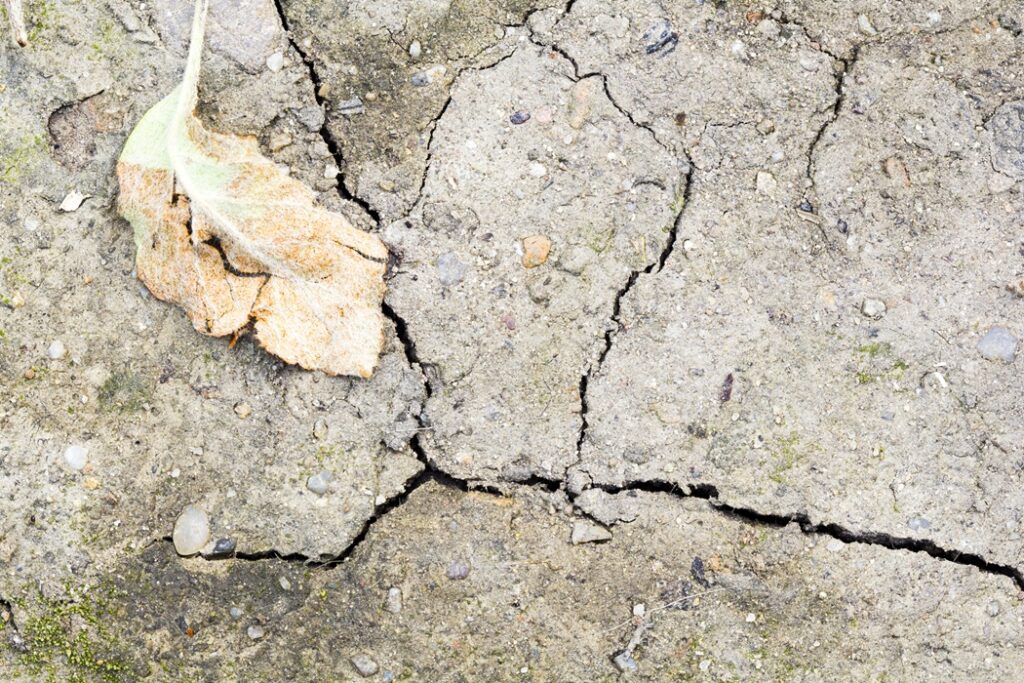
How New England’s Seasonal Weather Affects Your Home’s Foundation
If you own a home in New England, you’ve likely battled water in the basement, hairline cracks in the concrete, or shifting soil after a hard freeze. Our region’s four distinct seasons, each with its own temperature swings and moisture patterns, can quietly stress even the strongest foundation. Homeowners often overlook these gradual changes until serious problems appear. In this article, you’ll learn how seasonal weather in New England impacts your foundation, what signs to watch for, and how to prevent costly damage before it starts.
Why New England’s Climate Challenges Foundations?
New England homes face more than just cold winters. They endure rapid temperature shifts, heavy rainfall, wet springs, and humid summers. Each of these conditions affects the ground surrounding your foundation differently.
Over time, the expansion and contraction of soils, repeated freeze-thaw cycles, and fluctuations in moisture levels can cause cracks, leaks, and structural movement. From Massachusetts to Maine, these changes are predictable but preventable if you understand what’s happening below the surface.
Winter: Freeze–Thaw Cycles and Frost Heave
Winter is the toughest season for your foundation. When the ground freezes, moisture in the soil expands, pushing upward and outward against foundation walls, a process known as frost heave. As temperatures rise and fall throughout the season, the ground repeatedly expands and contracts.
This constant pressure can lead to small cracks in basement walls or slabs. Even minor openings allow water to enter once melting begins.
Protective Tip
Before winter sets in, seal visible cracks and check that your yard slopes away from the house. Keep snow piles at least a few feet from your foundation, and ensure downspouts discharge well away from the perimeter.
Spring: Snowmelt and Saturated Soil
When the snow melts and spring rains arrive, the soil around your home becomes saturated. If your drainage system or sump pump isn’t working properly, that excess moisture builds hydrostatic pressure along your foundation walls.
This pressure pushes water through small cracks or gaps, resulting in leaks, efflorescence, or a musty basement odor. It’s also the season when dormant cracks from winter begin to widen.
Protective Tip
Clean gutters and downspouts early in spring. Test your sump pump by pouring water to confirm it activates. If your basement has damp spots or stains, consider having a waterproofing expert inspect for seepage points.
Summer: Dry Soil and Foundation Settlement
New England summers can be surprisingly dry, especially after late-spring rain. As the soil dries out, it shrinks and pulls away from your foundation, creating voids where support once existed.
This movement can cause minor settling, which shows up as new or uneven cracks in walls or floors. Hot temperatures can also draw moisture from concrete, weakening its integrity over time.
Protective Tip
Water the soil near your foundation lightly during prolonged dry spells to maintain consistent moisture levels. Avoid overwatering. It can backfire by creating water pressure later.
Fall: Heavy Rain and Preparation for Freezing
Autumn often brings steady rain and dropping temperatures, setting the stage for winter. Wet leaves can clog gutters and drains, sending water directly toward your foundation. If not addressed, that water will freeze, expand, and worsen cracks as winter sets in.
This is also when you’ll start noticing mortar erosion or exterior gaps between the foundation and nearby walkways, clear signs of shifting soil and moisture intrusion.
Protective Tip
Clean gutters, inspect caulking around the base of your home, and patch cracks before frost arrives. Redirect downspouts and ensure the soil grade slopes away from the foundation.
How Seasonal Shifts Work Together
One of the biggest problems in New England isn’t any single season; it’s the cumulative effect. The cycle of freezing, thawing, drying, and re-saturating the ground puts foundations under near-constant stress.
Cracks that begin in winter expand in spring. Summer drying deepens them. Fall rain fills them with water, and the next freeze widens them again. Without regular maintenance, this annual rhythm can turn minor cosmetic flaws into structural concerns.
Warning Signs to Watch For
- New or widening foundation cracks
- Water stains or white residue (efflorescence) on basement walls
- Doors or windows sticking in their frames
- Uneven or sloping floors
- Persistent dampness or musty basement smell
If any of these issues persist through multiple seasons, it’s time to have your foundation professionally inspected.
Why Professional Help Matters
Foundation and waterproofing specialists understand how New England’s soil composition, rainfall patterns, and freeze cycles affect different types of homes. Instead of patching over symptoms, they identify root causes, whether it’s poor drainage, soil pressure, or structural settlement, and apply long-term solutions such as crack injection, waterproof coatings, or drainage upgrades.
If you notice cracks in your concrete foundation and require professional help, call us at (877) 727-2259. Our experts at Crack-X will inspect your property and take the necessary measures to repair your foundation. Crack-X is a civil structure repair company operating in Maine and New Hampshire.
FAQs
How does cold weather affect foundation cracks?
Cold temperatures cause the ground to freeze and expand, increasing pressure on your foundation. This can widen small cracks or create new ones as the soil shifts.
Can heavy rain damage a foundation?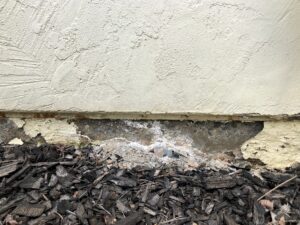
Yes. Prolonged rainfall or snowmelt saturates soil, increasing hydrostatic pressure. Water can then seep through cracks or gaps, leading to leaks and erosion.
Is it normal for foundations to crack in winter?
Minor cracking can occur naturally, but if cracks widen, leak water, or reappear every year, it’s a sign that frost and soil movement are stressing your foundation.
When is the best time to repair foundation cracks?
Early fall or spring are ideal times for repairs in New England, when temperatures and soil moisture are moderate and cracks are easiest to seal effectively.