 MORE LOCATIONS
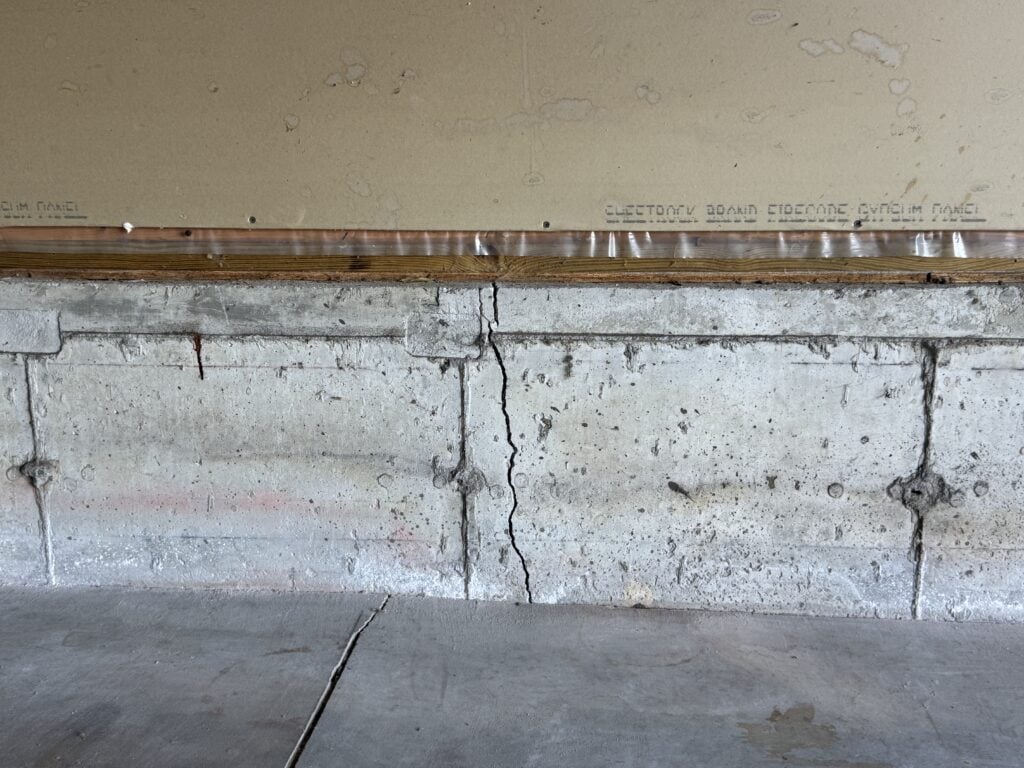
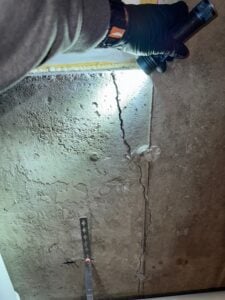 You have accepted an offer on your home in Massachusetts or New Hampshire, packed up half your belongings, and lined up your next move. Then, the buyer’s home inspector flags a vertical crack in the basement wall or a damp patch near the corner. Suddenly, the buyer demands a structural engineering inspection, and your real estate closing hangs in the balance.
What Home Inspectors and Structural Engineers Look For
When a home inspector or licensed structural engineer evaluates a New England foundation during a pre-purchase audit, they aren’t just looking for visual flaws; they are assessing structural stability and water intrusion risk.
Discerning Normal Shrinkage from Active Structural Displacement
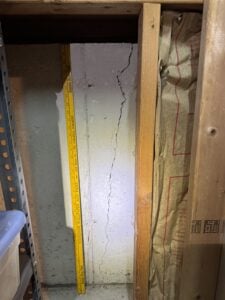
Most residential foundation cracks in poured concrete walls are non-structural shrinkage fissures caused by curing concrete or minor temperature shifts. Engineers routinely pass minor hairline cracks provided they are stable and dry. However, if an inspector spots horizontal cracking, stair-step fractures in masonry blocks, or wall bowing exceeding half an inch, they will flag it as active structural displacement caused by soil pressure.
FHA, VA, and Conventional Loan Requirements
Lenders in MA and NH—particularly under strict FHA and VA mortgage guidelines—have zero tolerance for active water leaks, mold, or unresolved structural defects. If a basement shows active moisture pooling or structural shifting, the mortgage underwriter will typically freeze loan approval until a licensed contractor remedies the issue and a structural engineer signs off on the repair.
The Danger of DIY Patches During Real Estate Transactions
When panic sets in before a closing, sellers sometimes attempt quick fixes: slathering hydraulic cement over a crack, slapping caulk across a wall seam, or rolling fresh white paint over a damp spot.
Why Cosmetic Patches Raise Red Flags
Experienced home inspectors and structural engineers immediately spot fresh DIY surface patches. Covering a crack with paint or putty looks like an attempt to hide a defect. Furthermore, surface patches do nothing to stop interior moisture migration or structural stress, meaning the leak will likely reappear within months—putting the buyer on notice and derailing negotiations.
Mandatory Real Estate Disclosures in MA and NH
Both Massachusetts and New Hampshire have strict seller disclosure laws regarding known water intrusion and structural defects. Failing to properly disclose and professionally repair foundation issues can lead to post-closing legal liabilities.
How Professional Crack Injection Satisfies Engineering Audits
The fastest way to clear a structural engineering inspection and satisfy mortgage underwriters is to employ permanent, engineer-backed repair methods documented by a trusted regional specialist.
Restoring Integrity with Approved Resins
Professional low-pressure injection—using high-tensile epoxy to bond structural concrete or expanding polyurethane to create a permanent flexible water barrier—addresses the root cause of the crack, which can extend out to the exterior soil line.
Transferable Warranties That Lenders Trust
When you work with an established regional contractor like Crack X, you receive official repair documentation, technician sign-offs, and a written lifetime warranty that transfers seamlessly to the new homeowner. For buyers, lenders, and structural engineers, a professional repair backed by a transferable warranty provides the ironclad proof needed to clear the inspection report and keep closing day on track.
Frequently Asked Questions
Q: Can a home sale close in MA or NH with an unsealed foundation crack?
A: Most conventional, FHA, and VA mortgage lenders require active water leaks or structural cracks wider than 1/16 inch to be professionally repaired and documented before final loan underwriting approval is granted.
Q: Does Crack X provide documentation for real estate closing files?
A: Yes. We provide official repair invoices, detailed technician notes, and fully transferable warranty certificates that satisfy home inspectors, structural engineers, and mortgage lenders alike.
Q: How fast can a foundation crack be repaired before a tight closing deadline?
A: Because our low-pressure resin injection methods require zero exterior excavation, our technicians can complete foundation repairs in just a few hours on site, allowing fast turnarounds for sellers facing looming closing dates.