
 MORE LOCATIONS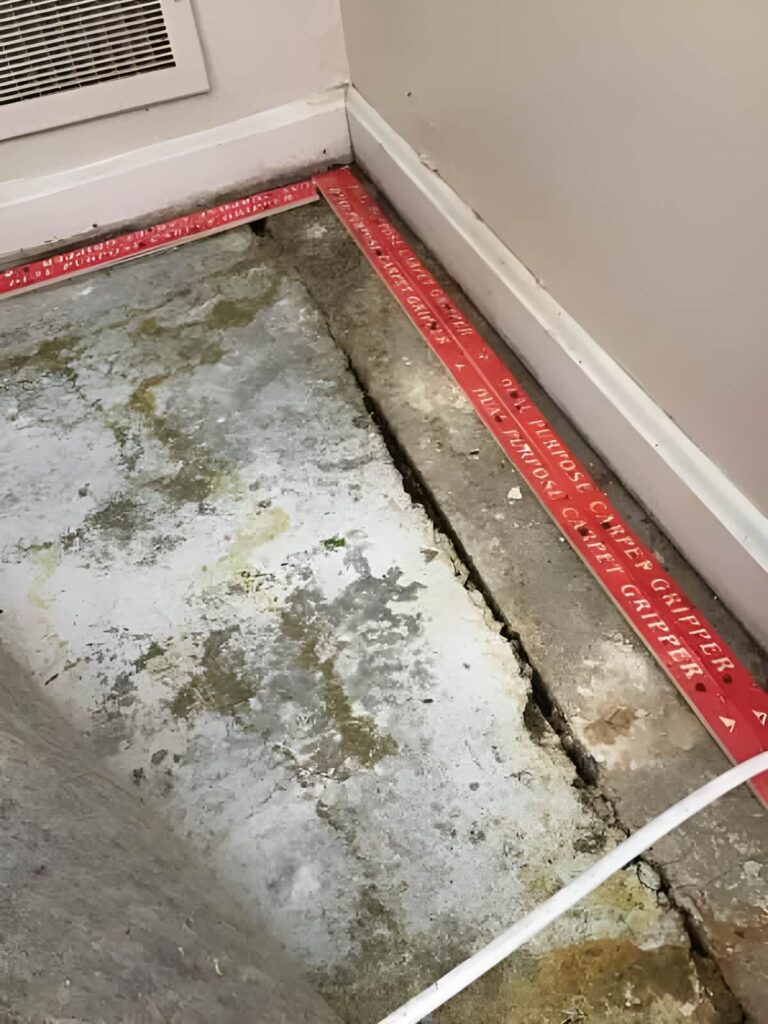
By Doug Chirichiello, CrackX
Basement floor cracks can lead to structural and moisture issues. This article outlines common causes—moisture, soil movement, and foundation stress—and summarizes practical repair and prevention options to protect your home.
Causes of Cracks in Basement Floors:
Cracks arise from environmental forces, construction factors, and material behavior. Key contributors include:
 Water Seepage: Ongoing moisture raises pressure and worsens openings.
- Shrinkage: Concrete shrinks as it cures and dries, creating fissures.
- Soil Settlement: Shifting or compressing soil under the slab can produce significant cracking.
- Frost Heave: Freeze–thaw cycles cause soil movement that stresses slabs.
- Structural Issues: Design or construction defects can allow movement and cracking.
Identifying the cause focuses repair and maintenance choices.
Solutions for Cracks in Basement Floors:
Identifying the cause informs repair and maintenance choices.
Epoxy Injection
Epoxy injection bonds and seals cracks with a two‑part resin, limiting moisture entry and reinforcing the slab—good for soil‑movement and minor structural cracks.
Urethane Polymer Injection
Urethane injections seal cracks with a flexible, self‑leveling polymer that resists water and accommodates movement. See urethane polymer injections for service details.
Gravity-Fed Injection
Gravity‑fed fills mix epoxy and sand to create a dense mechanical fill ideal for horizontal cracks and hydrostatic resistance.
Structural Repairs
When settlement or instability is severe, contractors may use slab jacking or underpinning to lift and stabilise the foundation and eliminate the driving forces behind cracks.
Waterproofing Solutions
Controlling water around the foundation—interior drainage, exterior grading, and sump pumps—reduces hydrostatic pressure and future cracking.
Regular Maintenance
Routine inspections catch new or changing cracks early; prompt sealing and moisture control limit long‑term damage.
Professional Assessment
For recurring, wide, or leaking cracks, a specialist can diagnose structural causes and recommend a durable repair plan.
What Are the Main Causes of Basement Floor Cracks?
Basement floor cracks typically develop because of moisture, soil movement, or foundation settlement. While some cracks are a normal part of the concrete curing process, others may indicate underlying structural issues that require professional attention. Understanding what caused the crack is the first step toward choosing the right repair solution and preventing future damage.
The most common causes include:
– Moisture and Hydrostatic Pressure: Water surrounding the foundation creates pressure beneath the slab. As moisture enters porous concrete and repeatedly expands and contracts with temperature changes, cracks can develop or existing ones can widen.
– Soil Movement: Different soil types react differently to moisture. Expansive clay soils swell when wet and shrink during dry periods, creating upward and lateral pressure that stresses the basement floor. Seasonal weather changes and groundwater fluctuations often accelerate this movement.
– Foundation Settlement: As the soil beneath a home compresses or shifts over time, portions of the foundation may settle unevenly. This movement commonly produces diagonal, corner, or widening cracks that can indicate structural displacement rather than normal concrete shrinkage.
– Concrete Shrinkage: As newly poured concrete cures and dries, it naturally loses moisture and contracts. This process often creates narrow hairline cracks that are generally cosmetic and do not affect the structural integrity of the slab.
Basement floor cracks are generally classified as either non-structural or structural. Non-structural cracks are typically narrow, stable, and caused by concrete shrinkage or minor settling. Structural cracks, on the other hand, tend to be wider, continue growing over time, or appear alongside signs such as uneven floors, wall cracks, or water intrusion. These symptoms often indicate foundation movement and should be evaluated by a foundation repair professional.
Classifying cracks helps set repair urgency.
Types and Causes of Concrete Cracks
Concrete cracks fall into two groups: non‑structural and structural. Non‑structural types include crazing, map cracking, plastic cracking from shrinkage or settlement, drying‑shrinkage cracking, temperature‑related cracking, and cracking from chemical reactions.
Cracks in Reinforced Concrete Beam, S Layang, 2022
How Can You Tell If a Basement Floor Crack Is Serious?
 Not every basement floor crack indicates a structural problem, but certain warning signs should never be ignored. Hairline shrinkage cracks that remain narrow and stable are usually cosmetic and can often be monitored or sealed to prevent moisture intrusion.
Structural cracks, however, tend to be wider than 1/4 inch, continue growing over time, or appear in diagonal or jagged patterns. Other signs of potential foundation movement include water leaking through the crack, bowing foundation walls, uneven or sagging floors, sticking doors and windows, and multiple cracks that continue to expand. If you notice any of these conditions, schedule a professional foundation inspection as soon as possible to prevent further structural damage.
When Should Homeowners Inspect Basement Floor Cracks?
Basement floors should be inspected at least twice a year, especially after heavy rainfall, rapid snowmelt, or extreme seasonal temperature changes. Regular inspections make it easier to identify new cracks, monitor existing ones, and detect moisture problems before they become expensive repairs.
If a crack begins to widen, leaks water, causes floor settlement, or is accompanied by wall cracks or persistent dampness, professional evaluation is recommended. Addressing foundation problems early is typically far less expensive than waiting until structural damage becomes more severe.
How Can Waterproofing Help Prevent Future Basement Floor Cracks?
Waterproofing is one of the most effective ways to reduce future basement floor cracking because it controls the moisture responsible for hydrostatic pressure beneath the foundation. By directing water away from the home, waterproofing systems help minimize soil movement and reduce stress on the concrete slab.
Common waterproofing solutions include interior drainage systems, sump pumps, proper exterior grading, and foundation drainage improvements. These methods are especially important in New England, where frequent freeze-thaw cycles, snowmelt, and seasonal rainfall create ideal conditions for soil movement and foundation stress. Combined with professional crack repair when necessary, waterproofing helps protect both the basement floor and the home’s long-term structural stability.
Frequently Asked Questions
What preventive measures can homeowners take to avoid cracks in their basement floors?
Ensure proper grading, maintain gutters and downspouts, inspect for moisture and small cracks, and apply waterproofing where needed.
How often should I inspect my basement for cracks?
Inspect twice a year and after severe weather; seasonal checks help catch problems early.
Can DIY repairs effectively address basement floor cracks?
Small, non‑structural cracks can often be sealed with epoxy or urethane kits. For larger or recurring problems, hire a professional to diagnose underlying causes.
What are the long-term consequences of ignoring basement floor cracks?
Ignored cracks can lead to moisture intrusion, mold, damaged belongings, and eventual structural decline requiring costly foundation repair.
Are there specific seasons when basement cracks are more likely to occur?
Cracks commonly appear or change in spring and fall when moisture levels and temperatures fluctuate; watch during snowmelt and heavy rains.
How can I tell if basement cracks are growing worse?
Monitor width and length; if a crack widens beyond about 1/4 inch, shows movement, or is accompanied by new wall cracks, consult a specialist.
Protect Your Natick Home by Addressing Basement Floor Cracks Early
Basement floor cracks rarely improve on their own. Whether they’re caused by concrete shrinkage, soil movement, foundation settlement, or water intrusion, identifying the problem early can prevent more extensive structural damage and costly repairs in the future.
For homeowners in Natick, MA, seasonal freeze-thaw cycles, heavy rainfall, and changing soil conditions can place additional stress on basement floors and foundations. Regular inspections, proper drainage, and professional waterproofing are some of the most effective ways to protect your home’s structural integrity and maintain a dry, healthy basement.
If you’ve noticed widening cracks, water seepage, or signs of foundation movement, the experienced team at CRACK-X provides professional basement floor crack repair, foundation crack injection, and waterproofing solutions throughout Natick and the surrounding MetroWest communities. An expert inspection today can help prevent more serious foundation problems tomorrow.