
 MORE LOCATIONS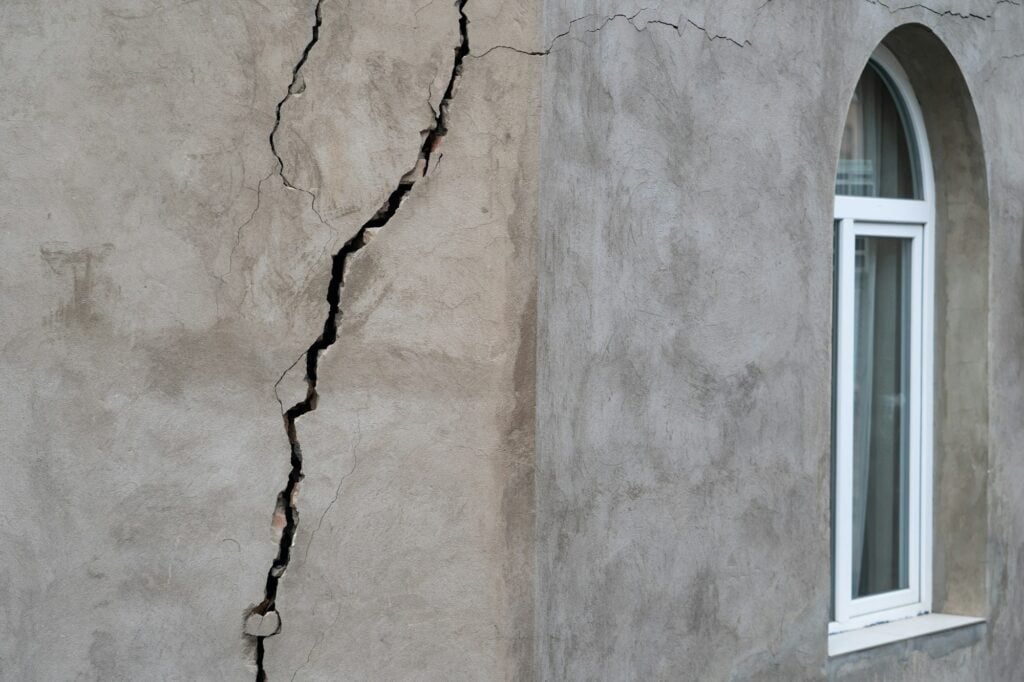
Vertical foundation cracks typically form from normal concrete curing and settling. Crack-X repairs them using epoxy or urethane crack injection. Epoxy injection restores structural strength, while urethane injection seals active water seepage. New England homeowners across MA, NH, and Maine depend on professional inspection
Key Takeaways
- Vertical foundation cracks require immediate assessment to prevent structural damage and costly repairs.
- Epoxy injection repairs seal cracks effectively and restore foundation integrity for long-term stability.
- Professional inspection identifies crack severity and determines whether repair or replacement is necessary.
- Early intervention prevents water infiltration, mold growth, and foundation deterioration in New Hampshire homes.
What Causes Vertical Foundation Cracks?

Water pressure and natural settling drive most vertical cracking in New England basement walls. Vertical foundation cracks typically trace back to soil conditions, drainage failures, or the concrete curing process. Homeowners who understand these causes can catch problems early, before a hairline crack becomes a seepage point.
Improper drainage ranks among the leading culprits behind cracked, wet basement floors. When water cannot move away from the foundation efficiently, it builds pressure against basement walls. That pressure searches for the weakest point in the concrete, often resulting in a vertical crack.
A missing or failing weeping tile system compounds the problem. Without this drainage layer, water in the surrounding soil gathers and pushes directly against basement walls and floors. Unless the foundation has been properly sealed, that water eventually finds a way inside.
Foundation settling and ordinary concrete shrinkage during curing also produce vertical cracks. These causes are common and often unrelated to drainage issues entirely, appearing instead as the structure adjusts over time.
Are vertical cracks always caused by water?
Not always. Some vertical cracks form simply because concrete shrinks slightly as it cures, or because the foundation settles naturally after construction. Others develop specifically from water pressure building against the wall.
Why does a wet basement keep coming back?
A wet basement remains a common struggle for many homeowners. The root cause usually links back to an untreated crack. Even minor moisture, left unaddressed, escalates into a larger structural and health concern over time.
Key contributing factors include:
- Poor or blocked exterior drainage
- Absent or damaged weeping tile systems
- Natural foundation settling
- Standard concrete curing shrinkage
What Are the Vertical Foundation Cracks Types?
Vertical foundation cracks types fall into three main categories: hairline cracks, straight vertical cracks, and diagonal-vertical cracks. Reference guides on basement foundation cracks document these variations consistently, giving homeowners a starting point for identifying what they see on a foundation wall. Each type carries its own risk profile and repair path.
Hairline cracks measure thin and often appear during the first year after a home is built. Concrete cures and settles. Straight vertical cracks run relatively perpendicular to the ground and typically stem from natural concrete shrinkage. Diagonal-vertical cracks angle slightly off the vertical line and can signal uneven settling beneath the foundation.
How Do Vertical Cracks Differ From Horizontal or Stair-Step Cracks?
Vertical cracks generally carry a lower risk level than horizontal or stair-step cracks. Foundation professionals distinguish crack types by risk and likely cause. Horizontal or stair-step patterns often point to soil pressure or structural movement. Vertical cracks, by contrast, usually trace back to shrinkage or minor settling rather than serious structural stress.
Homeowners can use this table as a quick reference:
| Crack Type | Typical Cause | General Risk Level |
|---|---|---|
| Hairline vertical | Concrete curing/shrinkage | Low |
| Straight vertical | Natural settling | Low to moderate |
| Diagonal-vertical | Uneven settling | Moderate |
| Horizontal/stair-step | Soil or structural pressure | Higher |
Crack-X has specialized in foundation crack repair, structural repair, and crack injection, addressing a wide selection of vertical crack conditions across New England homes. Based in Manchester, New Hampshire, the company evaluates vertical cracks in properties throughout the region, helping homeowners understand which category their crack falls into before recommending a repair approach. Left unaddressed, even a modest vertical crack can widen over time and open a path for water seepage into the basement.
Are Vertical Cracks Dangerous or Just Cosmetic?
Vertical foundation cracks fall into a range of severity. The answer depends on size, width, and what moisture is doing to the surrounding wall. Small hairline cracks often stay cosmetic, but larger or widening ones can point to structural movement underneath the home. Vertical foundation cracks types vary enough that a proper answer requires looking at the crack itself, not guessing from a distance.
Cosmetic cracks tend to stay narrow and consistent in width from top to bottom. Structural cracks, on the other hand, often grow wider over time or run at an angle instead of straight down. A vertical crack that widens near the top or bottom, rather than staying uniform, deserves a closer look from a professional.
Moisture changes the equation entirely. Even a small amount of water seeping through a vertical crack can turn into a serious problem if the crack goes unaddressed. Left alone, that seepage threatens the home’s structure, puts occupant health at risk through mold and dampness, and chips away at property value over time.
Does crack width tell homeowners anything useful?
Width offers a starting point, though it never tells the whole story alone. A crack that has grown noticeably wider since it was first noticed suggests active movement. That pattern warrants a professional evaluation rather than a wait-and-see approach.
When should a vertical crack be treated as a warning sign?
Large cracks in a foundation wall often signal a more serious underlying issue, not a minor blemish. Homeowners who notice a crack expanding, running diagonally, or accompanied by water intrusion should treat it as a signal that deeper structural movement may be occurring beneath the surface.
What Repair Options Fix Vertical Cracks?
Two injection systems, epoxy and urethane, fix most vertical foundation cracks permanently. Crack-X applies these proven methods to seal cracks from the inside out, restoring structural integrity rather than masking symptoms. Homeowners weighing repair options should understand how each system works before hiring anyone.
Epoxy injection bonds concrete surfaces back together, essentially welding the crack shut from within. Urethane injection expands to fill voids and block moisture, making it the better choice for cracks that leak. Crack-X’s technicians select the system based on crack width, depth, and moisture exposure.
Vertical foundation cracks types range from thin hairline splits to wider structural gaps, and each one calls for a different fix.
Can homeowners repair vertical cracks themselves?
Basic sealant kits marketed for hairline cracks tempt many homeowners hoping to save money. These do-it-yourself patches rarely match the strength or permanence of professional injection work. A surface-level seal often fails within a season once groundwater pressure returns against the wall.
Why choose a specialist instead of a general contractor?
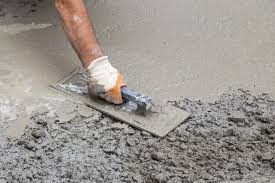 Foundation crack repair involves more than filling a gap. It demands understanding of the moisture source and structural risk driving the crack in the first place. Crack-X’s specialization spans crack injection, structural repairs, and moisture control, addressing both the visible crack and its underlying cause.
Consider these options before choosing a repair path:
- Epoxy injection: restores full structural strength to non-leaking, load-bearing cracks.
- Urethane injection: stops active leaks and handles cracks exposed to groundwater.
- DIY sealant kits: offer only a temporary patch, unsuitable for structural or water-facing damage.
With over 40 years of experience. Warranty-backed repairs, Crack-X delivers long-lasting structural solutions across New England, supported by consistent brand identification that homeowners recognize at every regional office. That familiarity, paired with honest recommendations, gives property owners confidence the repair will hold for years to come.
When Should You Call a Foundation Repair Professional?
New or widening cracks in a foundation wall signal the right moment to schedule a professional evaluation. Waiting rarely helps. A wet basement ranks among the most common problems homeowners face. Even minor moisture turns into a major structural issue when left unaddressed. Early inspection catches small cracks before they spread into costly repairs.
How Can Homeowners Tell a Crack Needs Attention?
Not every crack signals danger, but certain patterns do. Homeowners should watch for cracks that widen over several weeks, cracks wider than a hairline, or cracks accompanied by dampness on the wall surface. Vertical foundation cracks types often result from normal settling and differ from horizontal or stair-step cracks, which point to more serious pressure issues. A qualified inspector distinguishes between these patterns quickly and explains what each one means for the home.
Beyond visible cracks, homeowners should call a professional when they notice:
- Musty odors or visible mold near foundation walls
- Water stains that reappear after cleaning
- Doors or windows that suddenly stick or misalign
- Efflorescence (white, chalky mineral deposits) on concrete surfaces
What Happens During a Professional Foundation Inspection?
An inspector examines crack width, direction, and location, then checks for related moisture entry points. Crack-X, headquartered in Manchester, New Hampshire, provides these inspections along with honest, straightforward recommendations for homeowners throughout the region. A dedicated team supports prompt response times across multiple New England service locations. That keeps delays in getting an assessment scheduled to a minimum.
FAQ
What repair methods does Crack-X use for vertical foundation cracks?
Crack-X repairs vertical foundation cracks using epoxy or urethane crack injection.
What are the main types of vertical foundation cracks?
Vertical foundation cracks fall into three categories: hairline cracks, straight vertical cracks, and diagonal-vertical cracks.
What causes vertical foundation cracks to form?
Vertical cracks form from water pressure, natural settling, or ordinary concrete shrinkage during curing. Poor drainage and failing weeping tile systems also contribute by building pressure against basement walls.
Conclusion
In closing, understanding your vertical foundation crack repair options empowers you to make informed decisions about your home’s structural integrity. Whether your situation calls for epoxy injection, urethane solutions, or structural reinforcement, the key lies in professional assessment and timely intervention. Foundation issues demand expertise and reliable craftsmanship, investing in proper repair today protects your property’s value. Your family’s safety for years to come.