
 MORE LOCATIONS
Fixing a foundation crack yourself can feel like a quick, budget-friendly solution — but too often that patch is only temporary. This guide explains why many DIY repairs don’t hold up, what warning signs mean you should call a pro, and how expert work and proper waterproofing solutions can protect your home for the long haul. Read on to understand common DIY approaches, how New England’s weather affects repairs, and the steps that lead to durable results so you can make confident decisions about your property.
Why Do DIY Foundation Crack Repairs Often Fail Long Term?
Short-lived DIY repairs usually miss the true causes behind a crack. Homeowners frequently seal what they can see without diagnosing soil movement, drainage problems, or structural shifts. The result: a cosmetic fix that quickly reopens. Professional inspections and methods are designed to find and treat those root causes — which is why DIY patches so often fall short and lead to higher costs later.
What Are the Common DIY Repair Methods and Their Limitations?
Popular DIY fixes include sealants, waterproof paints, and over-the-counter epoxy kits. These products can hide a crack and slow moisture for a time, but they rarely restore structural strength or address the forces that caused the crack. Sealants may not adhere to every foundation material, paint can flake in damp conditions, and simple epoxy kits won’t correct shifting soil. Know that these approaches can buy time — not permanence.
How Does Climate in New England Affect DIY Repair Durability?
New England’s heavy rains and seasonal freeze-thaw cycles put extra stress on foundations. Waterlogged or clay-heavy soils increase hydrostatic pressure, and repeated freezing and thawing widens weaknesses. That weather-driven movement often undoes DIY repairs quickly, so solutions meant to be temporary can become recurring expenses unless the environment around the foundation is also managed.
What Are the Signs of Foundation Damage That Require Professional Inspection?
Spotting early warning signs can save you significant time and money. Look for visible wall cracks, persistent damp patches, and standing water or pooling in the basement — each is a clue the foundation may be compromised. When you see these symptoms, it’s wise to arrange a professional inspection before minor problems escalate into major repairs.
Which Foundation Crack Types Indicate Structural Concerns?
 Not all cracks are equal. Horizontal cracks and stair-step (diagonal) cracks often point to shifting or serious settling and should be treated as potential structural problems. Large, widening, or newly developing cracks are also red flags. If you spot any of these patterns, consult a structural engineer or qualified inspector to evaluate the condition and next steps.
The seriousness of structural cracks is reinforced by geotechnical research that investigates soil behavior and failure mechanisms in affected buildings.
Foundation Failure Analysis: Cracks, Collapse & Geotechnical Investigation
This study examines how severe cracking and partial or complete collapse affected buildings in the Ehamufu and Aguamede communities. Researchers used detailed geotechnical methods and X-ray diffraction to analyze local soil samples and better understand the causes of those failures.
Foundation integrity assessment of failed buildings in Ehamufu and Aguamede,
South East Nigeria, KN Eze, 2023
How Can Homeowners Identify Water Intrusion and Waterproofing Issues?
You can spot water intrusion by looking for visible cracks, damp patches, or a persistent musty smell in lower levels. Mold growth is another strong indicator that moisture is getting in where it shouldn’t. Regular checks and prompt maintenance make it far easier to catch these issues early and avoid more costly structural or health-related problems.
How Does a Professional Foundation Inspection Prevent Costly Repairs?
A professional inspection catches issues before they worsen. Inspectors evaluate the foundation’s condition, drainage, and nearby soil to identify underlying problems that DIY fixes miss. By diagnosing causes and recommending targeted repairs, professionals help homeowners avoid repeated work and the larger bills that come with delayed action.
What Does the Professional Inspection Process Include?
A typical inspection combines a visual survey with moisture readings and crack assessments. Inspectors check for structural movement, evaluate perimeter drainage, and test for hidden moisture that could undermine repairs. After the assessment they’ll outline repair options and priorities so you can choose an effective, long-term plan.
How Do Structural Engineers Assess Foundation Integrity?
Structural engineers use visual inspections, moisture meters, and experience-based analysis to determine the extent of damage and the appropriate remedy. They measure crack patterns, assess load paths, and consider soil and water conditions to recommend solutions that restore stability and prevent recurrence.
What Are the Common Professional Foundation Repair Methods Compared to DIY?
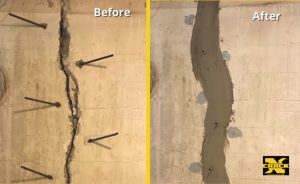 Professional repairs focus on fixing the underlying cause, not just the symptom. Where DIY efforts might seal a crack, professionals can stabilize the soil, redirect water, and reinforce the foundation so the problem doesn’t come back. When a foundation issue is significant, investing in a professional approach pays off with longer-lasting results and fewer return visits.
Experts emphasize that concrete repair is a systematic process — combining careful analysis, a clear strategy, and the right techniques to restore performance.
Concrete Repair: Analysis, Strategy, and Techniques
This resource presents concrete repair as an integrated process: analyze the problem, choose a strategic approach, and apply appropriate techniques so repaired structures perform reliably in the field.
Concrete repair and maintenance illustrated: problem analysis; Repair Strategy; Techniques, 1992
How Do Epoxy Injection and Polyurethane Foam Repairs Work?
Epoxy injection fills and bonds small cracks, restoring structural continuity in the concrete. Polyurethane foam injections expand to fill voids and block active water leaks, creating a waterproof seal and stabilizing surrounding soil. Both methods, when applied correctly, offer durable repairs that withstand New England’s variable weather.
When Is Underpinning Necessary for Foundation Stability?
Underpinning is used when a foundation needs deeper or firmer support — for example, after significant settling, ongoing shifting, or where soil conditions can’t reliably hold the existing footings. This technique extends support to deeper layers and is best determined by a professional after a thorough evaluation.
How Do Foundation Waterproofing Solutions Enhance Repair Longevity?
Waterproofing protects repairs by keeping water out of the areas that cause most foundation damage. Paired with structural fixes, effective waterproofing reduces hydrostatic pressure and limits the moisture cycles that often reopen cracks. Treating both structure and water is the most reliable path to long-term stability.
What Waterproofing Techniques Are Effective in New England Homes?
For New England, a robust approach often combines exterior waterproofing membranes, interior drainage systems like French drains, and a properly sized sump pump. Equally important is grading the soil away from the foundation so surface water runs clear of the house. Using multiple tactics together gives the best protection against moisture.
How Does Waterproofing Prevent Future Foundation Damage?
Waterproofing creates a barrier that lowers water pressure against foundation walls and reduces the chance of leaks and soil movement. By controlling where water goes, homeowners limit the forces that drive cracks and deterioration — preserving repairs and cutting down on future costs.
What Are the Costs and Warranties Associated with Professional Foundation Repairs?
Repair costs depend on the chosen method and how extensive the damage is. While prices vary, investing in proven fixes and quality workmanship often reduces long-term expenses. Understanding warranty options and what they cover is an important part of comparing estimates.
How Does Repair Cost Vary by Method and Damage Severity?
Minor crack repairs can run a few hundred dollars, while major solutions — like underpinning or full waterproofing systems — may cost thousands to tens of thousands. Get multiple estimates, ask for itemized scopes, and weigh the lifetime value of a permanent repair versus repeated temporary fixes.
What Warranty Options Do Professionals Offer for Foundation Repairs?
Many companies back their work with warranties that range from short-term coverage to lifetime guarantees, depending on the repair type and provider. When reviewing bids, ask about warranty length, what’s covered, and any conditions so you know how issues will be handled if problems reappear.
Frequently Asked Questions
What are the risks of ignoring minor foundation cracks?
Small cracks can be the first sign of soil movement or water intrusion. Left unchecked, they can widen, let in moisture, or signal deeper structural issues — all of which raise repair costs and safety concerns. Watch for changes in size or pattern and get a professional opinion if you’re unsure.
How often should homeowners inspect their foundation?
Inspect at least once a year, ideally in spring or fall when conditions are moderate. Also check after heavy storms or unusual weather events. Regular inspections help you spot early signs — cracks, moisture, or shifting — before they become expensive problems.
Can landscaping affect foundation stability?
Absolutely. Poor grading, overwatering, and planting large trees too close to the house can change soil moisture and lead to settling or heaving. Keep soil sloped away from the foundation, manage irrigation, and avoid planting large roots near the footings to protect stability.
What should homeowners do if they find water in their basement?
Act quickly: remove standing water, dry the space to limit mold, and try to identify the source — storm runoff, a plumbing leak, or high groundwater. Then contact a professional to diagnose the cause and recommend waterproofing or structural repairs to prevent repeat flooding.
Are there DIY methods for preventing foundation issues?
Yes — regular maintenance helps. Keep gutters and downspouts clear, grade soil away from the foundation, and seal visible cracks as a temporary measure. But remember these steps reduce risk; they don’t replace a professional repair when structural issues are present.
What are the signs that a foundation repair has been successful?
Good signs include stabilized cracks (no growth), no new cracks, improved drainage around the foundation, and absence of water intrusion. A follow-up inspection by the repair contractor or an independent engineer is the best way to confirm a repair’s effectiveness.
Conclusion
DIY patches can help in the short term, but long-lasting foundation health depends on diagnosing causes and applying the right combination of structural repairs and waterproofing. For New England homeowners, that often means professional assessment and targeted solutions. Protect your investment — consult a foundation expert to evaluate your situation and recommend a plan that lasts.