
 MORE LOCATIONS
By Doug Chirichiello, CrackX
Basement cracks in New Hampshire homes are more than just unsightly—they can signal serious structural issues and invite water intrusion, especially given the challenges posed by the region’s climate and soil conditions. This comprehensive guide provides Southern New Hampshire homeowners, including those in Manchester, Nashua, Concord, Salem, Derry, Londonderry, Bedford, and Merrimack, with trusted repair techniques, material choices, application steps, and maintenance advice tailored to our unique environment. Whether you’re facing hairline cracks or more significant damage, understanding the cause and appropriate repair method helps ensure lasting results.
Reliable Repair Methods Tailored to New Hampshire Basements
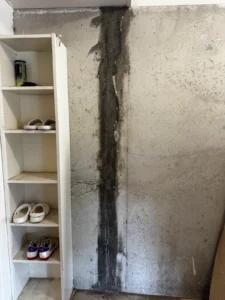 Choosing the right repair technique depends on identifying the crack type and underlying cause. In New Hampshire, where freeze-thaw cycles, frost heave, and heavy precipitation are common, these proven options are essential:
- Epoxy Injection: Ideal for structural cracks, especially those requiring restored strength. It fills and seals cracks against moisture ingress, which is critical given New Hampshire’s freeze-thaw dynamics.
- Polyurethane Foam Injection: Best suited for active or moving cracks. The foam expands to fill voids and offers flexible, waterproof sealing—helpful for cracks affected by soil movement and hydrostatic pressure typical in our region.
- Portland Cement Grouting: Appropriate for wider, static cracks and voids. Often reinforced with mesh, it adds bulk and strength where movement is minimal.
Because basement cracks in older New Hampshire homes frequently result from shifting soil and seasonal weather patterns, addressing these factors along with the visible damage is crucial to reduce recurrence. For complex structural concerns, Crack-X’s fast-response professional basement crack repair services are reliable options throughout Southern New Hampshire.
Research validates epoxy injection as an effective repair technique and benchmark for assessing outcomes in climates like ours.
Epoxy Injection for Concrete Crack Repair
In 2015, H. Askarinejad, in collaboration with Opus consultants, evaluated the use of epoxy injection for repairing concrete cracks in damaged structures, highlighting its effectiveness.
Evaluation of epoxy injection method for concrete crack repair, H Askarinejad, 2015
Both epoxy injection and cement grouting remain established methods for stabilizing reinforced concrete and mitigating cracking issues, particularly in regions with environmental stresses similar to New Hampshire’s.
Epoxy Injection and Grouting for Concrete Crack Repair
Epoxy injection and cement grouting are commonly used for repairing reinforced concrete structures to address cracking problems.
Repair and structural performance of initially cracked reinforced concrete slabs, WA Thanoon, 2005
Effective Techniques for Durable Repairs in New Hampshire Homes
Applying these strategies enhances repair longevity against the environmental challenges specific to our area:
- Conduct Thorough Seasonal Inspections: Examine your basement after winter thaw, heavy rains, and during seasonal transitions to identify cracks and moisture. Understanding timing helps pinpoint causes like frost heave or hydrostatic pressure.
- Implement Waterproofing Systems: Effective waterproofing, such as interior sealants or exterior membranes, protects against persistent moisture—a primary cause of deterioration in New Hampshire basements.
- Schedule Regular Maintenance: Semi-annual checks, especially pre-winter and post-snowmelt, help detect new issues early, preserving repair integrity.
These proactive steps are vital for adapting repairs to New Hampshire’s freeze-thaw cycles, variable soils, and precipitation patterns.
Material Selection: Matching Products to New Hampshire’s Basement Challenges
Seasonal soil movements due to clay-rich and other expansive soils, combined with heavy precipitation and frost, influence the best material choice for crack repair:
- Epoxy: Superior adhesion and strength make it ideal for structural repairs, resolving cracks caused by foundation settlement common in older Southern New Hampshire homes.
- Polyurethane: Its flexibility suits active cracks affected by shifting soil and seasonal ground movement.
- Cement Grout: Suitable for filling larger, stable voids, often in basements with minimal movement.
Understanding these material properties is key to a durable repair strategy that withstands New Hampshire’s variable climate.
Application Guidance for Successful Repairs
Precise application following these steps enhances durability amid New Hampshire’s environmental stressors:
- Preparation: Clean cracks thoroughly, removing debris and dust to ensure proper material adherence, especially important in homes dealing with freeze-thaw expansion.
- Injection: For epoxy and polyurethane, inject from the lowest point upwards to prevent air pockets and ensure complete penetration, sealing cracks fully against water pressure typical during spring melt.
- Post-Repair Monitoring: Monitor repaired areas for material recession or recurring cracks, common in homes facing ongoing soil movement or hydrostatic challenges.
Following this sequence supports repairs that perform well throughout New Hampshire’s seasons.
Common Types and Causes of Basement Concrete Cracks in New Hampshire
Homeowners often confront these crack types, each with distinct implications and repair needs:
- Hairline Cracks: Frequently due to concrete shrinkage during curing and exacerbated by freeze-thaw cycles. Typically cosmetic, but they may permit water intrusion.
- Settlement Cracks: Result from shifting or settling soil beneath foundations. Southern New Hampshire’s clay and loam soils, prone to swelling and shrinking, contribute significantly.
- Structural Cracks: Wide or stepping cracks often indicate foundation stress or failure, demanding prompt attention.
Identifying the underlying cause helps homeowners decide whether a cosmetic fix suffices or structural intervention is needed.
How Hairline, Structural, and Settlement Cracks Differ Specifically in New Hampshire Basements
Due to the regional conditions, crack types show particular characteristics:
- Hairline Cracks: Minor and mostly surface-level, with primary concern being waterproofing to avoid damage from melting snow.
- Structural Cracks: Often accompanied by uneven floors or door misalignment, signaling potential foundation movement from frost heave or hydrostatic pressure.
- Settlement Cracks: Generally vertical or stair-step, caused by soil shrink-swell behavior, requiring evaluation to prevent progression.
Distinguishing these enables New Hampshire homeowners to prioritize repairs and timing correctly.
New Hampshire Environmental Factors Influencing Basement Concrete Cracking
Our region’s unique environmental stressors contribute heavily to basement cracking:
- Freeze-Thaw Cycles: Repeated expansion and contraction lead to concrete fatigue and crack formation.
- Snowmelt and Heavy Rainfall: Elevated hydrostatic pressure from saturated soil worsens water intrusion risk and foundation stress.
- Frost Heave: Soil expansion when frozen lifts foundations unevenly, causing settlement cracks.
- Variable Soil Conditions: Clay-rich soils common in Southern New Hampshire expand and contract seasonally, leading to crack initiation and movement.
Accounting for these factors in repair planning is essential for lasting success.
Comparing Proven Basement Crack Repair and Waterproofing Methods
Choosing the right repair depends on crack behavior, environment, and structural needs:
 Epoxy Injection: Best for sealing structural cracks and restoring integrity, particularly in older homes facing frost heave damage.
- Polyurethane Injection: Suitable for active, water-leaking cracks due to UV exposure or movement from soil pressures.
- Cementitious Repair Methods: Effective for broader, non-moving cracks where strength is needed without flexibility.
- Waterproofing Systems: Interior sealants, exterior membrane coatings, and drainage enhancements help manage water intrusion, reducing hydrostatic pressure.
- Drainage Improvements: Installing or upgrading sump pumps, interior drainage channels, and exterior grading mitigates water accumulation and protects repaired cracks.
- Structural Repairs: When foundation movement threatens building integrity, underpinning or wall reinforcement might be necessary.
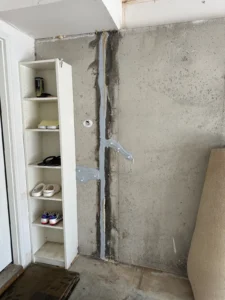 Epoxy Injection: Best for sealing structural cracks and restoring integrity, particularly in older homes facing frost heave damage.
Properly addressing both visible defects and their root causes prevents recurring issues common in New Hampshire’s climate.
Why Addressing Water Intrusion and Movement is Critical Alongside Crack Repair
Simply filling a crack without managing the source of water or movement frequently leads to repair failure. In New Hampshire, meltwater accumulation, frost heave, and soil swelling drive crack recurrence. Effective repair integrates crack sealing with exterior waterproofing, drainage solutions, and foundation stabilization to provide comprehensive protection.
Homeowner Inspection Checklist Before Calling a Professional in Southern New Hampshire
Before scheduling professional repair, inspect your basement with this checklist to provide accurate information and prioritize needs:
- Note crack width, length, and pattern (vertical, horizontal, stair-step).
- Check for water stains, damp patches, or active leaks near cracks.
- Assess nearby soil conditions—look for pooling water or poor drainage outside.
- Evaluate interior signs of movement: uneven floors, sticking doors/windows.
- Document timing of crack changes—after heavy rains, winter thaw, or dryness.
Sharing these observations with experts like Crack-X expedites accurate diagnosis and repair planning.
Seasonal Maintenance Recommendations for New Hampshire Homeowners
Regular maintenance aligned with seasonal changes extends repair lifespan and basement health throughout Southern New Hampshire:
- Before Winter: Ensure gutters and downspouts direct water away, inspect sump pumps, and seal minor cracks to prevent freeze-thaw damage.
- After Snowmelt: Check for new or expanded cracks, standing water, and signs of soil movement.
- Following Heavy Rain: Inspect basement for leaks, monitor sump pump function, and verify grading effectiveness around your home.
Consistent care mitigates the effects of New Hampshire’s demanding climate cycles.
Frequently Asked Questions
What are the warning signs of serious basement cracks in Southern New Hampshire homes?
Signs include cracks wider than 1/4 inch, especially horizontal ones; stair-step patterns in block foundations; cracks accompanied by water seepage; uneven floors; doors/windows that jam or won’t close; and damp odors or mold presence. These often signal foundation issues exacerbated by frost heave or water pressure and require prompt professional evaluation.
Can I repair basement cracks myself, or should I hire a professional in New Hampshire?
Minor, stable hairline cracks might be addressed with DIY kits during dry seasons. However, because New Hampshire’s climate causes dynamic soil movement and water issues, professional assessment is advisable for any structural or active cracks to prevent recurring damage.
How long does it take for basement crack repairs to cure?
Curing times vary by material and environmental conditions. Epoxy injections typically set within 24 hours but may require several days to reach full strength, particularly in cooler temperatures. Polyurethane cures faster, often within hours. Follow product instructions and local professional advice.
What temperature is ideal for basement crack repair applications in New Hampshire?
Optimal application temperatures range between 50°F and 85°F (10°C to 29°C). Applying materials outside this range risks poor adhesion and prolonged curing due to New Hampshire’s variable climate.
How often should a New Hampshire homeowner inspect their basement for cracks?
Twice annually inspections, preferably in spring (post-snowmelt) and fall (pre-winter), plus after major storms or heavy rainfall, help catch issues early when repairs are simpler and less costly.
What role do drainage systems play in preventing basement cracks caused by New Hampshire’s weather?
Drainage systems channel water away from foundations, reducing hydrostatic pressure that causes soil movement and cracking. Exterior grading, reliable gutters, sump pumps, and interior drainage systems collectively protect basements in regions with heavy precipitation like Southern New Hampshire.
How do I know if a crack is cosmetic or indicates structural movement?
Cosmetic cracks are narrow, usually hairline, often uniform and stable over time. Structural cracks tend to be wider, step-like, or horizontal, accompanied by other signs such as shifting floors or door misalignment. Professional evaluation is recommended when in doubt.
What improvements besides crack repair can protect my New Hampshire basement?
Integrating waterproofing membranes, improving site drainage, installing or servicing sump pumps, and reinforcing foundations where needed address the environmental causes behind cracking, providing comprehensive protection.
Conclusion
For New Hampshire homeowners, effective basement crack repair goes beyond filling cracks. It requires understanding local environmental factors like freeze-thaw cycles, frost heave, soil conditions, and water pressures that contribute to cracking. Employing appropriate methods such as epoxy injection for structural repairs, polyurethane foam for active leaks, and cementitious grouting for static voids—combined with waterproofing and drainage improvements—ensures durable, long-term solutions. Regular seasonal inspections and maintenance adapted to New Hampshire’s climate further protect home foundations. Crack-X is proud to support homeowners across Manchester, Nashua, Concord, Salem, Derry, Londonderry, Bedford, Merrimack, and the broader Southern New Hampshire area, delivering fast, professional repairs backed by a 10-year warranty. Protect your investment and home safety by addressing basement cracks promptly with informed, region-specific solutions.
Need Expert Basement Crack Repair in Southern New Hampshire?
Contact Crack-X today for a professional evaluation and comprehensive repair plan tailored to New Hampshire homes.
Explore our related resources: