
 MORE LOCATIONS
How to Know When Your Basement Needs Waterproofing: Key Warning Signs
If you’re a New England homeowner who’s noticed musty odors, damp walls, or small cracks in the basement, you might wonder whether it’s time to act or if it’s nothing to worry about. The truth is, even minor moisture problems can escalate quickly in our region’s wet springs and freeze-thaw winters. Discover the key signs that your basement needs waterproofing and what to do before the damage worsens.
Early Detection
A basement rarely floods out of nowhere. Water intrusion usually starts small, moisture seeping through porous concrete, clogged gutters sending rainwater down foundation walls, or hydrostatic pressure pushing groundwater inside.
The earlier you identify these issues, the easier and less expensive they are to fix. Regular inspections can save you thousands in structural repairs, mold removal, and lost property value.
1. Persistent Musty Odors or Damp Air
That earthy, wet basement smell is one of the first clues that excess moisture is present. Even if you can’t see water, humidity buildup and damp surfaces feed mold and mildew spores. Once these take hold, they can affect indoor air quality and spread to upper floors. If you’ve noticed the smell returns no matter how often you air out or clean, it’s time to investigate.
2. Wall or Floor Cracks
Hairline cracks in concrete are normal as homes settle, but wider or growing cracks, especially horizontal ones, can indicate hydrostatic pressure pressing against the foundation. Over time, these can let water seep through or cause structural weakening.
Don’t just patch them with paint; monitor their width and call a professional if they widen or show moisture seepage.
3. Water Stains or Efflorescence
White, powdery residue called efflorescence appears when water seeps through concrete and evaporates, leaving mineral deposits behind. Yellow or brown stains on walls and floors are another giveaway of past or ongoing leaks.
These visual marks indicate that water is still moving through the material, even though the surface appears dry at present.
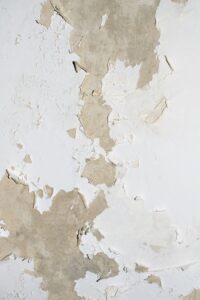
4. Peeling Paint or Bubbling Wall Finishes
If you’ve painted your basement walls and the surface is blistering, flaking, or bubbling, moisture is trapped behind the paint layer. This often occurs when homeowners attempt to conceal dampness with waterproof paint rather than addressing the underlying cause of the issue.
Peeling finishes are a clear sign your walls need proper waterproofing and drainage, not another coat.
5. Pooling Water or Damp Floor Corners
Water collecting near floor joints, sump pits, or corners signals a drainage or foundation issue. In New England, snowmelt and heavy rain can saturate the ground quickly. If your sump pump can’t keep up or if grading slopes toward your house, expect repeat puddles. Standing water, even small amounts, can damage flooring, framing, and insulation.
6. Mold Growth or Allergy Symptoms
Basement mold thrives in damp, dark areas. You may notice fuzzy patches on walls, wood, or boxes, or experience increased sneezing, coughing, or headaches in your family. Once mold appears, it spreads fast and can penetrate drywall or flooring. Eliminating the moisture source is the most effective and lasting solution.
7. Rusty Metal Fixtures or Rotting Wood
Moisture corrodes metal support posts, ducts, and fasteners, and causes wood framing to rot. If you notice rust stains, soft wood, or a metallic odor, water exposure has likely been ongoing for some time. Ignoring it risks structural damage and costly repairs in the future.
8. A Sump Pump That Runs Constantly (or Not at All)
A sump pump that cycles frequently, even during dry weather, can mean groundwater pressure is high or the drainage system isn’t functioning properly. On the flip side, if the pump doesn’t activate when it should, that’s just as concerning. Test it every season and ensure the discharge line leads water far from the foundation.
9. Flooring or Drywall Damage
If the basement flooring warps, tiles lift, or drywall softens near the base, water is likely wicking up through the slab or behind the walls. These signs typically appear after prolonged exposure, indicating that the issue has been developing unseen for an extended period.
What to Do if You Notice These Signs
Inspect the outside first: Check that gutters, downspouts, and grading direct water away from your foundation.
Look for new or widening cracks: Measure and photograph them periodically.
Test your sump pump: Make sure it activates and discharges water properly.
Call a professional: If moisture signs persist, a foundation waterproofing expert can assess both interior and exterior causes and recommend the appropriate fix before major damage occurs.
Why Professional Waterproofing Helps?
Professional waterproofing goes beyond surface fixes. It combines techniques like crack injection, sump pump systems, vapor barriers, and proper drainage design to protect your basement year-round.
For homeowners across Massachusetts and New England, where weather extremes constantly test your foundation, expert intervention ensures peace of mind and long-term savings.
Final Thoughts
Your basement won’t suddenly flood without warning. The clues are there: musty air, cracked walls, water stains, and stubborn dampness. Spotting them early and calling in professionals before problems escalate can save your foundation and your wallet. A dry, healthy basement means a stronger, more valuable home, one that’s ready for every New England season.
Our experts at Crack-X will inspect your property and take the right steps to fix your foundation. Crack-X is a civil structure foundation repairs company proudly serving Maine and New Hampshire. We fix foundation cracks using trusted methods and quality materials to ensure long-lasting results. Whether you’re dealing with minor cracks or need help deciding between foundation repair vs foundation replacement, our team is here to help. Call us today at (877) 727-2259 for a free consultation.
FAQs
How can I tell if my basement needs waterproofing?
Look for damp smells, efflorescence, cracks, water stains, or mold. Even small leaks or humidity that persists after cleaning means moisture is entering somewhere.
Is a little water in the basement normal?
Occasional dampness during heavy rain might seem harmless, but it indicates that the foundation isn’t fully sealed. Over time, even small leaks can worsen and lead to mold or structural issues.
Can basement waterproofing be done from the inside?
Yes. Interior systems, such as sump pumps, drainage channels, and crack injections, can effectively manage water, especially when exterior excavation isn’t practical.
When is the best time to waterproof a basement?
Waterproofing can be done at any time of year. However, early spring and fall are ideal in New England, as contractors can assess how your foundation responds to moisture and temperature shifts.