
 MORE LOCATIONS
By Doug Chirichiello, CrackX
Basement floor cracks are one of the most common issues homeowners encounter, especially in regions that experience heavy rainfall, changing temperatures, and seasonal freeze-thaw cycles. While some cracks may appear harmless at first, they can allow moisture intrusion, contribute to foundation problems, and reduce the long-term value of a home if left untreated.
The good news is that most basement floor cracks can be repaired effectively, and many can be prevented altogether with proper maintenance and moisture control. Understanding why cracks develop and how different repair methods work can help homeowners protect their foundations and avoid costly structural problems in the future.
Understanding Basement Floor Cracks and Why They Happen
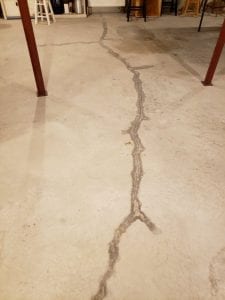 Concrete is an incredibly durable material, but it naturally expands, contracts, and responds to environmental conditions over time. As a result, basement floor cracks can develop for several reasons.
One of the most common causes is water infiltration. Excess groundwater surrounding a foundation creates hydrostatic pressure that pushes against concrete surfaces. Over time, this pressure can contribute to cracking and moisture intrusion.
Soil movement is another major factor. As soil expands during wet periods and contracts during dry conditions, it places stress on the foundation and basement floor. Settlement can also occur when soil beneath the slab shifts or compresses unevenly, creating pressure points that lead to cracks.
Temperature fluctuations play a significant role as well. In New England, freeze-thaw cycles can cause the soil beneath a basement floor to expand and contract repeatedly. This movement often contributes to cracking, especially in older homes or foundations with drainage issues.
Structural concerns, inadequate reinforcement, and improperly poured concrete slabs can also increase the likelihood of basement floor cracking. Understanding the root cause is essential because the most effective repair solution depends on why the crack developed in the first place.
Basement Floor Crack Repair Methods
Several repair options are available depending on the size of the crack, the presence of moisture, and whether structural concerns exist.
Epoxy injection is one of the most effective solutions for structural cracks. The epoxy penetrates deep into the damaged area, bonding the concrete together and restoring strength to the slab. Because it creates a durable seal, epoxy injection also helps reduce future water intrusion.
For non-structural cracks and leaking basement floors, polyurethane or urethane foam injection is often recommended. This material expands after installation, filling voids and creating a flexible waterproof barrier. Many homeowners choose polyurethane repairs because they provide excellent moisture protection while remaining cost-effective.
Larger cracks may require gravity-fed repair methods that allow sealants to flow naturally into deeper openings. Proper surface preparation is critical regardless of the repair method used. Removing dirt, debris, and loose concrete helps ensure the repair material bonds effectively and delivers long-lasting results.
Once the crack is repaired, finishing and smoothing the surface improves appearance, prevents water pooling, and helps maintain the integrity of the surrounding concrete.
How to Prevent Basement Floor Cracks
Preventing cracks is often far less expensive than repairing significant foundation damage. The most effective prevention strategies focus on controlling moisture and reducing stress on the foundation.
Proper drainage is one of the most important factors. Gutters and downspouts should direct water away from the home, and the surrounding landscape should slope away from the foundation whenever possible. In some situations, perimeter drainage systems can provide additional protection.
Monitoring soil moisture around the home can also help prevent foundation movement. Extremely dry soil can shrink and pull away from the foundation, while excessive moisture can create expansion and pressure. Maintaining balanced conditions helps reduce stress on the concrete slab.
Regular inspections are equally important. Small cracks, water stains, and signs of moisture intrusion should be addressed quickly before they develop into larger structural concerns. Documenting changes over time makes it easier to identify active movement that may require professional attention.
Waterproofing systems provide another valuable layer of protection. Interior drainage systems, vapor barriers, sump pumps, and foundation sealants can significantly reduce moisture intrusion and help preserve the long-term health of the foundation.
Perhaps the most important preventive measure is addressing small issues early. Minor repairs are typically faster, less expensive, and more effective than waiting until significant damage occurs.
When Should You Call a Foundation Repair Professional?
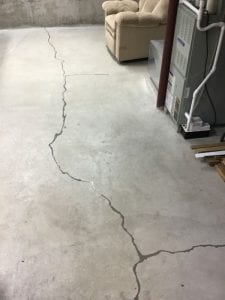 While small hairline cracks are often manageable, some warning signs indicate the need for professional evaluation.
Large cracks, widening cracks, recurring moisture problems, uneven floors, sticking doors and windows, or visible foundation movement should never be ignored. These symptoms may indicate settlement, hydrostatic pressure, or underlying structural issues that require specialized repair techniques.
A professional foundation inspection can identify the root cause of the problem and determine whether crack repair alone is sufficient or if waterproofing, drainage improvements, or foundation stabilization are necessary.
At CrackX, our team specializes in basement floor crack repair, foundation crack repair, and waterproofing solutions designed specifically for New England homes. By addressing both the symptoms and the underlying cause, we help homeowners achieve long-lasting protection against future foundation problems.
Frequently Asked Questions
What causes basement floor cracks?
Basement floor cracks commonly result from soil movement, water pressure, settlement, temperature changes, and normal concrete shrinkage over time.
Can basement floor cracks lead to foundation problems?
Yes. While some cracks are cosmetic, others can allow moisture intrusion or indicate underlying structural movement that should be evaluated.
Are DIY crack repairs effective?
DIY repairs may provide temporary relief for minor cracks. However, structural cracks or recurring moisture issues often require professional repair methods for lasting results.
How can I improve drainage around my foundation?
Keep gutters clean, extend downspouts away from the home, maintain proper grading, and consider installing drainage systems if water consistently collects near the foundation.
Does waterproofing help prevent basement floor cracks?
Waterproofing helps reduce moisture intrusion and hydrostatic pressure, both of which are major contributors to basement floor cracking.
Final Thoughts
Basement floor cracks are common, but they should never be ignored. Understanding what causes cracks, choosing the right repair method, and implementing preventive measures can help homeowners avoid expensive foundation problems and protect their property’s value.
By maintaining proper drainage, controlling moisture levels, and addressing minor issues before they worsen, homeowners can significantly reduce the likelihood of future cracking. When larger concerns arise, professional evaluation and repair provide the safest path toward long-term foundation stability and peace of mind.