
 MORE LOCATIONS
Cracks in your foundation can be alarming because some point to minor settling while others signal serious structural trouble. Knowing the difference helps you avoid unnecessary expense and protects your home. This guide walks you through common crack causes, how to judge their severity, and when to call in an expert so you can make confident decisions about your foundation.
We’ll cover why cracks form, the warning signs that a crack is dangerous, and the repair options professionals use. By the end you’ll know which cracks you can watch and which demand immediate attention.
What Causes Foundation Cracks and Why Do They Occur?
How Does Concrete Curing and Shrinkage Lead to Cracks?
As concrete cures it loses moisture and shrinks. That shrinkage commonly produces hairline cracks in new foundations. Most are superficial, but if a crack widens or lets in moisture it can become a bigger problem. Proper curing and controlling moisture during the early days after a pour reduce the risk of these shrinkage cracks.
 What Role Do Settlement and Soil Movement Play in Foundation Cracks?
 What Role Do Settlement and Soil Movement Play in Foundation Cracks?
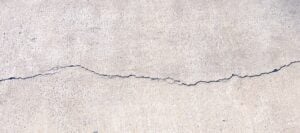
Settlement happens when the soil under a foundation compresses or shifts — often from changes in moisture, soil type, or the weight above. That movement can create vertical, diagonal, or stair-step cracks. Certain soils, like expansive clays or erodible fills, raise the risk. Good drainage and regular site monitoring are key to reducing soil-related foundation damage.
Research shows foundation failure commonly follows ground movements that exceed a foundation’s load capacity, producing significant structural damage.
Residential Foundation Failure: Causes, Damage, and Repair Strategies
The foundation is the building’s primary load-bearing element, transferring weight into the soil. When foundation movements exceed what the structure and soil can accommodate, failures occur and the superstructure can distort or crack. Repair measures both fix existing damage and improve performance to reduce the risk of repeat failures. This study reviews a residential foundation failure through site investigation to determine conditions, failure types, causes, and observed damage.
A case study of foundation failure in the existing residential building, IY Salena, 2018
How to Identify Different Types of Foundation Cracks and Their Severity
What Are Hairline Cracks and When Are They Harmless?
Hairline cracks are usually under 1/16 inch wide and are often cosmetic — a byproduct of normal curing or minor settling. Keep an eye on them for signs of widening or moisture seepage. If they stay stable and dry, they rarely require structural repair.
When Are Vertical Foundation Cracks a Concern?
Vertical cracks often point to settlement. Small vertical cracks are common, but widths exceeding 1/8 inch or cracks that keep growing deserve attention. If you also notice doors or windows sticking, that’s a sign to get a professional opinion.
Why Are Horizontal Foundation Cracks Considered Serious?
Horizontal cracks typically mean lateral pressure on a wall — from soil expansion, hydrostatic pressure, or earth loads. Because they can compromise the wall’s structural capacity, horizontal cracks should be evaluated and repaired quickly by a foundation specialist.
What Do Stair-Step Cracks Indicate About Your Foundation?
Stair-step cracks follow mortar joints in a zigzag pattern and usually indicate differential settlement or shifting soils. When stair-step cracks widen or appear alongside bowed walls, call a pro for a thorough evaluation.
How to Recognize Diagonal Cracks and Their Implications?
Diagonal cracks often reflect uneven settlement between parts of a foundation. They’re more concerning than simple vertical cracks — especially if they exceed 1/4 inch or show active growth. Track progression and seek an assessment if you see change.
What Are the Key Indicators That Make Foundation Cracks Serious?
How Does Crack Width and Growth Signal Severity?
Crack width and whether a crack grows are among the clearest severity signals. Cracks wider than 1/8 inch, particularly those that continue to widen, warrant professional evaluation. Regular measurement and photo records help spot dangerous trends early.
Why Does Crack Location and Pattern Matter?
Where a crack appears and how it runs across the wall can point to the underlying cause. Cracks around windows or doors often mean settlement; center-of-wall or horizontal cracks often mean external pressure. Reading these patterns helps prioritize repairs.
What Associated Symptoms Suggest Structural Damage?
Look for doors and windows that stick, uneven or sloping floors, gaps where walls meet ceilings, or visible wall bowing. When these symptoms accompany foundation cracks, the problem is likely structural and needs professional investigation.
When Should You Call a Professional for Foundation Crack Inspection?
What Does a Professional Foundation Inspection Involve?
A professional inspection includes a close visual review of the foundation and structure, measured crack monitoring (width and depth), and an assessment of drainage and soil conditions. The inspector will combine those findings to recommend repairs or monitoring plans tailored to your situation.
 Which Advanced Diagnostic Tools Are Used in Assessments?
Inspectors use tools like laser levels and moisture meters, and when needed they’ll employ ground-penetrating radar or infrared thermography to reveal hidden issues. These diagnostics help reveal subtle movement and moisture patterns so repairs address root causes, not just symptoms.
Continuous monitoring techniques, such as hydrostatic leveling systems, are valuable for tracking foundation deformation and settlement over time.
Monitoring Building Foundation Deformation & Settlement
Controlling and tracking foundation deformation throughout a building’s life is essential. Vertical differential settlement is a key evaluation criterion. Hydrostatic leveling is a practical, accurate method to measure differential vertical settlement and can be adapted for a variety of structures. Case examples include multi‑storey brick masonry, monolithic reinforced concrete buildings, and historic structures.
The hydrostatic level method for continuous monitoring of building foundations, 2016
What Are Effective Foundation Crack Repair Methods and Prevention Strategies?
Addressing cracks promptly reduces the chance of progressive damage and protects the life of your foundation.
How Does Epoxy Injection Repair Various Crack Types?
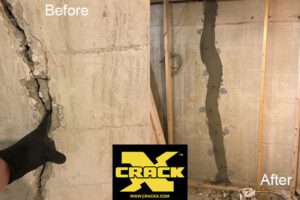
Epoxy injection fills and bonds cracks, restoring the concrete’s strength. It’s an excellent long-term fix for non‑moving cracks such as many vertical and some diagonal cracks. Epoxy works best when the cause of the crack is understood and moisture is controlled.
What Role Do Carbon Fiber Straps and Underpinning Play?
Carbon fiber straps add tensile strength to bowing or cracking walls and are a minimally invasive reinforcement option. Underpinning stabilizes a foundation by extending its bearing depth into more stable soil — a deeper, often permanent solution for significant settlement problems. Both are standard tools for serious foundation rehabilitation.
How Can Waterproofing and Drainage Prevent Future Cracks?
Keeping water away from the foundation controls soil moisture and reduces pressure and movement. Sound waterproofing, correct grading, and well-maintained gutters and downspouts help prevent the soil swings that lead to many foundation issues.
| Repair Method | Description | Effectiveness |
|---|---|---|
| Epoxy Injection | Fills and bonds cracks in concrete | High |
| Carbon Fiber Straps | Reinforces bowing walls | Medium |
| Underpinning | Stabilizes foundation by extending it deeper | High |
| Waterproofing | Prevents water intrusion and soil movement | High |
This table summarizes common repair choices and their general effectiveness. Use it to weigh options, then ask a foundation professional for a site-specific recommendation.
Frequently Asked Questions
What are the signs that indicate a foundation crack may be serious?
Serious signs include cracks wider than 1/8 inch, cracks that grow, and related symptoms such as sticking doors or windows, uneven floors, or gaps between walls and ceilings. If you see these, schedule a professional inspection — early action prevents larger problems.
How can I monitor foundation cracks effectively?
Measure cracks regularly with a ruler or a crack monitor and photograph them from the same angle each time. Note any change in width, length, or new cracks. If you detect widening or new movement, contact an inspector.
What preventative measures can I take to avoid foundation cracks?
Preventive steps include keeping gutters and downspouts clear, grading soil away from the foundation, and avoiding large landscaping changes that concentrate water near the house. Maintaining stable soil moisture reduces the risk of movement in expansive or loose soils.
Are there DIY methods for repairing minor foundation cracks?
Minor cracks can often be sealed with a concrete patch or epoxy, provided the area is clean and dry. For anything larger than a hairline, or if the crack shows ongoing movement, consult a professional before attempting repairs.
How often should I have my foundation inspected?
An annual check is a good baseline, especially in areas with active soil movement or heavy rainfall. Also inspect after major weather events or if you notice new cracks or structural changes.
What should I do if I find a crack in my foundation?
First, note the crack’s size and location and photograph it. Monitor hairline cracks for change. If a crack is wider than 1/8 inch, grows, or appears with other structural symptoms, contact a foundation repair specialist for evaluation and next steps.
Conclusion
Knowing how to read foundation cracks saves you time, money, and stress. Distinguish harmless shrinkage from movement-driven damage by watching width, location, and associated symptoms. When in doubt, get a professional inspection — early diagnosis and the right repairs protect your home for the long term. For more guidance and expert resources on foundation care, explore our site.