
 MORE LOCATIONS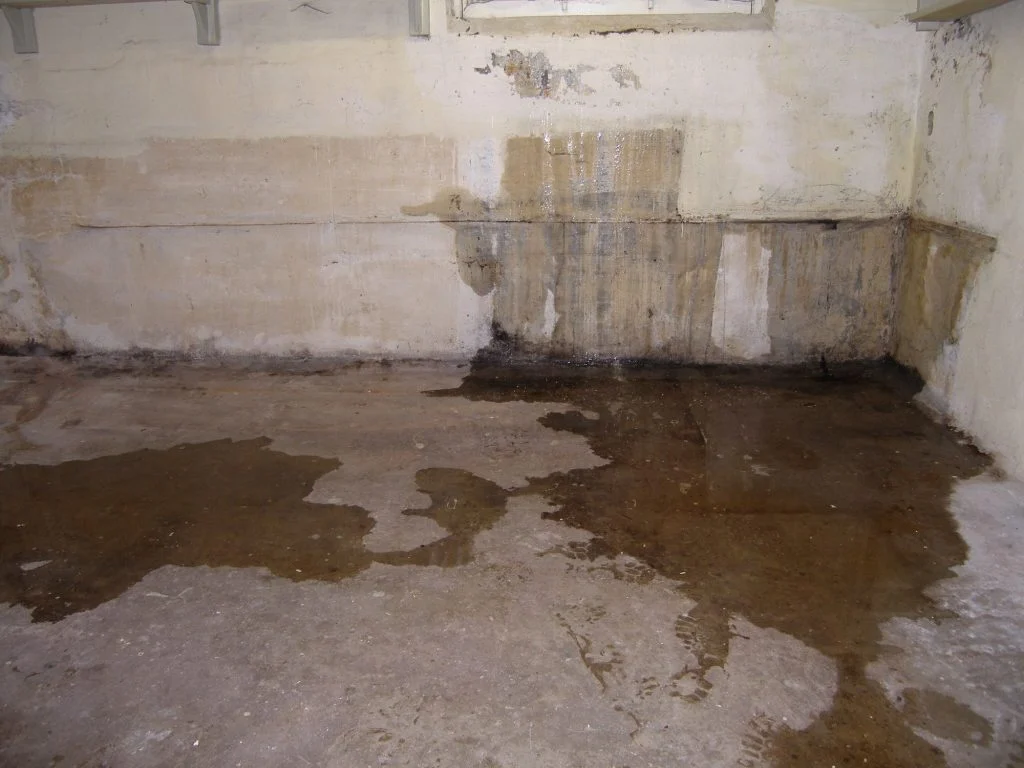
By Doug Chirichiello, CrackX
Musty odors often point to moisture problems related to the foundation, such as water intrusion and resulting mold growth. Recognising these odors allows homeowners to act before damage and health risks escalate. This article summarizes common causes, foundation issues they may signal, and practical steps to reduce odors.
It also covers basic diagnostics and how waterproofing or foundation repair can help stop recurring smells.
Causes of Musty Odors
Musty smells come from damp conditions: moisture in basements, crawl spaces, or wall cavities that support mold, mildew, and decay of organic materials like wood or stored items. Poor ventilation traps humid air and worsens odors.
Monitor humidity and ventilate spaces to reduce the risk of mold and the odors it produces.
Potential Foundation Issues Indicated by Musty Odors
 Persistent musty odors can be a symptom of foundation cracks, soil movement, or poor drainage—each allowing moisture into the home and raising indoor humidity.
Common problems include:
- Foundation Cracks: Pathways for water that also threaten structural stability.
- Soil Movement: Pressure changes that can crack foundations and allow leaks.
- Poor Drainage: Surface or subsurface water pooling near the foundation that encourages mold.
Early detection reduces repair costs and preserves property value.
Effective Solutions for Homeowners
Several practical measures reduce musty odors and protect foundation health.
Identify and Repair Leaks
Inspect around windows, doors, plumbing, and foundation walls. Use a moisture meter where available, then seal gaps with appropriate materials and repair plumbing leaks promptly.
Improve Drainage
Keep gutters clear, extend downspouts away from the foundation, and regrade soil so water drains away from the house.
Use dehumidifiers.
Place properly sized dehumidifiers in basements or crawl spaces to keep relative humidity in check and slow mold growth.
Regular Maintenance
Schedule periodic inspections and follow a checklist for moisture-prone areas to catch issues early.
Professional Assessment
When odors persist or cracks and extensive mold are present, hire a professional to assess and recommend targeted remediation.
What Causes Musty Odors in Basements Indicating Foundation Issues?
Basement odors result from ongoing moisture and organic decay, with poor airflow allowing mold colonies to grow. A chronically wet basement can damage materials and affect indoor air quality, posing health concerns for sensitive occupants.
Wet Basements: Structural, Financial, and Health Concerns & Musty Odors
1. In Michigan, a wet basement is a structural, financial, and health concern that affects habitability, value, and insurability. Water in a basement damages flooring, drywall, insulation, mechanical systems, and stored property. It creates conditions for mold and mildew growth, which degrades indoor air quality and can trigger respiratory issues, particularly in children and individuals with compromised immune systems. The musty odor that accompanies a chronically damp basement can permeate the entire home through natural air circulation, affecting living spaces well above the basement level.2. Wet basements remain one of the most prevalent and costly building pathologies in residential construction, particularly in regions characterised by expansive soils, elevated water tables, and severe freeze-thaw cycling. Diagnosing and Repairing Wet Basements in Michigan Written by
Associated Signs
Look for visible mold, high humidity, water stains, or efflorescence on foundation walls. These signs help distinguish active leaks from condensation or occasional dampness.
Identifying whether a leak is active (e.g., flow through cracks), seepage at joints, or chronic wall moisture guides the right repair approach.
Identifying and Stopping Basement Leaks: Foundation Cracks, Seepage, and Moisture
1. A leaking basement in Michigan can present in several ways: active water flow through foundation cracks during or after rainfall; seepage along the floor-wall joint where hydrostatic pressure forces water through the construction joint; dampness and efflorescence on foundation walls indicating chronic moisture migration through the concrete; water pooling near floor drains during heavy rain events suggesting sewer backflow; and condensation on cold surfaces during humid summer months creating the appearance of leaking even when no external water is entering.2. Mansour’s Innovations differentiates between these conditions during its assessment process because each requires a different repair approach. Active crack leaking is addressed through polyurethane or epoxy injection. Cove joint seepage is managed through interior perimeter drainage with a French drain system. Wall moisture from hydrostatic pressure may require exterior waterproofing or interior vapor barriers. Sewer backflow requires backwater valve installation. Condensation requires humidity management rather than waterproofing. Identifying and Stopping Basement Leaks Written by
Recommended Actions
When you notice musty odors, inspect likely entry points and repair leaks. Increase ventilation to remove stale air and use targeted waterproofing and vapor-control measures where needed to protect structural and indoor-air quality.
Good construction details and reliable waterproofing reduce both moisture and the odors it causes.
Builder’s Foundation Handbook: Controlling Mold, Mildew, Odor, and Moisture
ABSTRACT: This handbook provides a worksheet for selecting insulation levels based on building construction, climate, HVAC equipment, insulation cost, and other economic considerations, permitting optimisation of foundation insulation levels for new or retrofit applications. The handbook presents construction details representing good practices for energy-efficient basement, crawl space, and slab-on-grade foundations. These details are keyed to critical design information useful for specifying structural integrity; thermal and vapor control; subsurface drainage; waterproofing; and strategies for controlling mold, mildew, odor, decay, termites, and radon. Checklist chapter summaries cover major design considerations for each foundation type—basement, crawl space, and slab-on-grade—and are useful during design and inspection. The information in this handbook Builder’s foundation handbook, 1991
How Do Foundation Cracks Cause Musty Basement Odors?
Foundation cracks allow groundwater to enter the basement, increasing humidity levels and creating the ideal conditions for mold growth. As mold develops on walls, flooring, insulation, and stored belongings, it releases volatile organic compounds (VOCs) that create the familiar musty smell many homeowners notice.
Beyond unpleasant odors, excess moisture can damage drywall, wood framing, carpeting, and personal belongings while reducing indoor air quality. If left untreated, ongoing water intrusion may also contribute to structural deterioration and more costly foundation repairs. Eliminating musty odors requires both stopping moisture at its source and repairing the underlying foundation issue.
How Can You Diagnose Foundation Problems When You Notice Musty Odors?
A persistent musty odor is often one of the earliest warning signs that moisture is entering through foundation cracks or other structural openings. While the smell itself may seem harmless, it frequently indicates conditions that promote mold growth and hidden water damage.
Look for these common signs of foundation-related moisture problems:
– Uneven or sloping floors
– Doors or windows that stick or no longer close properly
– Visible cracks in foundation walls or basement walls
– Gaps around trim, windows, or masonry
– Water stains or white efflorescence on concrete surfaces
– Damp areas that appear after heavy rain or snowmelt
A moisture meter can help identify elevated moisture levels inside walls or floors. However, if you notice recurring leaks, standing water, expanding cracks, or widespread staining, a professional inspection is the best way to determine whether foundation repair or waterproofing is necessary.
What Foundation Repair and Waterproofing Solutions Eliminate Musty Odors?
The most effective way to eliminate musty basement odors is to stop water intrusion before mold has an opportunity to grow. Professional waterproofing and foundation repair systems work together to keep the basement dry while protecting the home’s structural integrity.
Depending on the source of the problem, recommended solutions may include:
– Epoxy or polyurethane crack injections
– Interior French drain systems
– Exterior waterproofing membranes
– Sump pump installation
– Vapor barriers
– Improved exterior drainage and grading
These repairs prevent moisture from entering the basement, reduce humidity levels, stop mold growth, and eliminate the conditions responsible for persistent musty odors.
How Much Does Foundation Repair and Waterproofing Cost?
 Foundation repair costs vary depending on the severity of the damage, the repair method selected, accessibility, and whether interior or exterior waterproofing is required. Minor crack repairs typically cost significantly less than extensive structural stabilization or complete waterproofing systems.
Before major repairs become necessary, homeowners can often reduce excess moisture with preventative measures such as:
– Installing a basement dehumidifier
– Improving ventilation
– Correcting landscape grading around the home
– Cleaning gutters and extending downspouts away from the foundation
– Performing routine inspections to catch problems early
While these maintenance steps help control humidity and slow moisture buildup, they cannot permanently resolve structural foundation problems. Addressing the underlying cause is the most effective way to protect your basement, improve indoor air quality, and prevent recurring musty odors.
EAV Table: Comparison of Solutions for Musty Odors and Foundation Problems
The table below compares common corrective actions and their estimated costs to help plan investments in a healthy living environment.
| Problem | Solution | Estimated Cost |
|---|---|---|
| Foundation Cracks | Epoxy Crack Injection | $100 – $400 |
| Mold Growth | Professional Mold Remediation | $500 – $3,000 |
| High Humidity | Dehumidifier Installation | $150 – $500 |
| Poor Drainage | Drainage System Installation | $1,000 – $5,000 |
This summary clarifies typical interventions and expected price ranges to inform homeowner decisions.
Additional List: Tips for Managing Musty Odors
Use these practical steps to lower odors and manage moisture:
- Ventilate: Open windows and run fans to move stale air out.
- Check for Leaks: Inspect plumbing and foundation for visible leaks and repair promptly.
- Use Absorbents: Place desiccant packs or moisture absorbers in vulnerable areas.
- Maintain HVAC Systems: Keep filters and drainage lines clean and ensure systems control humidity effectively.
These measures, combined with prompt repairs, improve indoor air and reduce odors.
By identifying causes and acting early, homeowners can manage foundation risks. For significant problems, seek a professional assessment; services such as CRACK-X of New England offer foundation repair and basement waterproofing tailored to specific needs.
Frequently Asked Questions
1. How can I tell if my musty odor is specifically due to foundation issues?
Look for wall cracks, sticking doors, persistent basement moisture, or damp spots that recur after rain. If basic fixes don’t stop the odor, get a professional inspection.
2. Can musty odors affect my home’s air quality?
Yes. Musty odors usually signal mold or mildew, which release spores and VOCs that can impair air quality and aggravate respiratory conditions.
3. What are some common DIY methods to reduce musty odors?
Increase ventilation, run dehumidifiers, use moisture absorbers, and clean affected surfaces with vinegar or baking soda. Also keep gutters and grading clear so water drains away from the house.
4. How often should I check for signs of moisture in my home?
Inspect moisture-prone areas at least quarterly and more often during wet seasons or after major weather events.
5. What is the best temperature setting for a dehumidifier?
Aim for roughly 30–50% relative humidity; adjust based on comfort and conditions to minimise mold and odors.
6. Should I consider professional help for persistent musty odors?
Yes. Persistent odors may indicate extensive mold or structural problems that require expert diagnosis and targeted remediation.
7. Is it possible to fully eliminate musty odors in a home?
Substantial reduction or elimination is possible by addressing the moisture source, cleaning affected areas, and maintaining ventilation and waterproofing. Long-term success depends on fixing the underlying cause.
Conclusion
Resolving musty odors protects both indoor air quality and the foundation. Use moisture-control strategies, maintain drainage and ventilation, and consult professionals for persistent or severe problems to safeguard your home and its value.