
 MORE LOCATIONS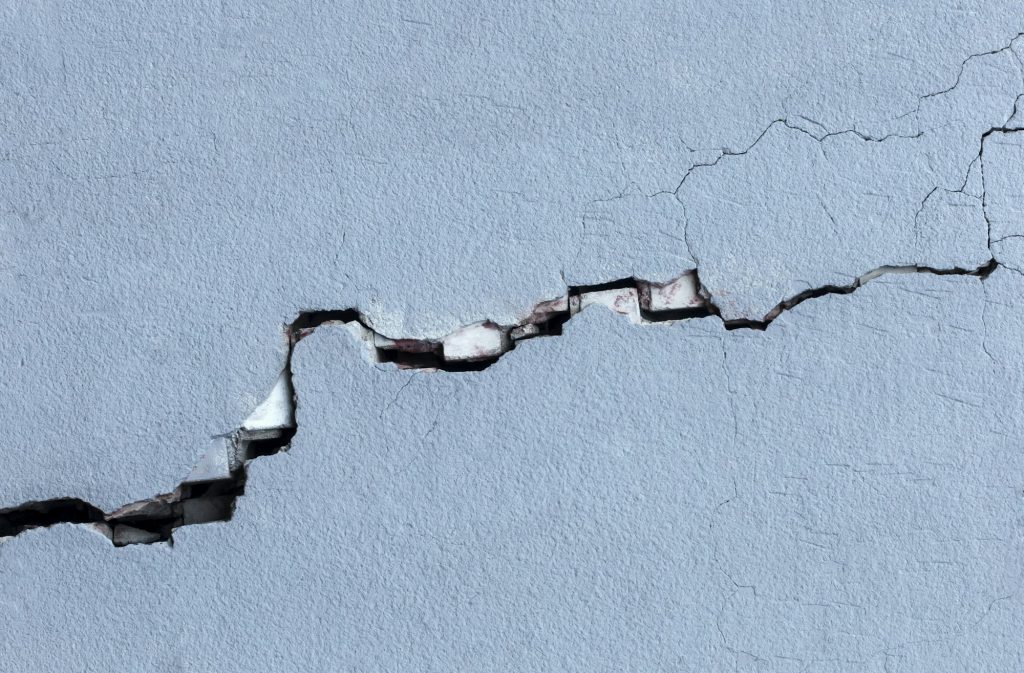
By Doug Chirichiello, CrackX
Foundation damage can cause major structural problems, so early detection is essential for homeowners and professionals. This guide explains how to identify foundation issues—covering key indicators, assessment methods, prevention practices, and remediation steps—to help protect property and safety. The sections that follow provide specific signs, practical assessment techniques, prevention tips, and repair strategies to maintain structural stability.Key Takeaways
- Foundation damage causes structural problems, so early detection is crucial for homeowners and professionals.
- Visible cracks, misaligned doors or windows, and uneven floors are key signs of foundation damage.
- Regular visual inspections and measurements help track foundation condition and detect ongoing movement.
- Professional evaluations provide accurate assessments of hidden foundation issues and repair needs.
- Proper drainage and waterproofing reduce moisture-related foundation damage risks effectively.
- Promptly addressing foundation problems with quality repairs restores stability and prevents further damage.
- Annual foundation inspections, especially after extreme weather, support early problem identification and cost savings.
- Minor foundation cracks may be repaired with DIY methods, but serious issues require professional intervention.
- Foundation repair costs vary widely; obtaining multiple professional estimates ensures informed decisions.
Comprehensive Guide on Identifying Signs of Foundation Damage
Detecting foundation damage preserves your property’s integrity and helps avoid costly repairs. Damage can show up in many ways—cracks in walls and floors or other signs of movement—so recognizing common symptoms enables timely action and effective mitigation. Learning these indicators lets you take practical steps to maintain your home’s structural soundness.Key Indicators of Foundation Damage
 Homeowners should monitor both obvious and subtle signs of foundation damage:
- Visible Cracks: Cracks in walls, floors, and ceilings can reveal deeper issues. Horizontal or zigzag cracks may indicate significant movement and should be inspected promptly.
- Misaligned Doors and Windows: If doors and windows stick or fail to close properly, it may signal that the foundation is shifting.
- Uneven or Sloping Floors: Floors that slope or are uneven can indicate structural instability and are often a direct result of foundation problems.
Assessment Techniques
Assessing foundation damage combines visual checks with simple measurements and professional evaluation. A careful assessment clarifies the severity of issues and informs appropriate repair planning.- Visual Inspections: Regularly inspect exposed foundation areas, looking for new or changing cracks and other signs of wear. Document changes over time to track progression.
- Measurement Tools: Tools such as a level or measuring tape can help quantify unevenness in floors and walls. Tracking gradual shifts provides insight into whether movement is ongoing.
- Professional Evaluations: A comprehensive inspection by a qualified professional can reveal hidden problems. Experts have the training and equipment to assess structural concerns accurately.
Actionable Steps for Prevention
Preventing foundation damage is more effective and less costly than repairs. The following measures reduce risk:- Maintain Proper Drainage: Ensure gutters and downspouts direct water away from the foundation to prevent accumulation and soil erosion.
- Regular Inspections: Schedule routine checks to catch early signs of damage; early detection can lower repair costs and limit deterioration.
- Implement Waterproofing Solutions: Waterproofing basements and foundation areas helps manage moisture and mitigates problems from hydrostatic pressure and expansive soils.
Remediation Steps
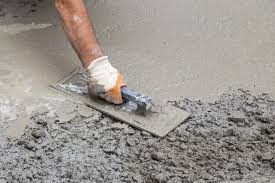 Prompt action is essential when foundation problems are identified. Follow these remediation steps:
- Consulting with Professionals: Work with experienced foundation repair specialists to assess the damage and recommend appropriate solutions.
- Variety of Repair Methods: Repair options include underpinning, slab jacking, or wall stabilization; the chosen method depends on the type and severity of damage.
- Importance of Quality Materials: Use durable, appropriate materials so repairs last and reduce the chance of recurring problems.