
 MORE LOCATIONS
If you own a home in New England, freeze-thaw cycles are one of the common seasonal threats to your foundation. When temperatures swing, water in the ground freezes and thaws, and over months or years that movement can damage concrete and masonry. This article explains how those cycles work, the warning signs to watch for, and practical steps to prevent or fix problems. We also describe how Crack-X helps homeowners with targeted foundation repair and waterproofing so you can protect your house and avoid costly surprises.
What Is the Freeze-Thaw Cycle and How Does It Affect New England Foundations?
The freeze-thaw cycle is simple: water in soil freezes, expands, then thaws and contracts. Repeating that cycle puts pressure on foundation walls and footings. In New England’s climate—where winter temperatures often dip below freezing and soils can hold a lot of moisture—the cumulative effect can be especially damaging.
How Does Water Expansion During Freezing Cause Soil and Foundation Damage?
Water expands about 9% when it turns to ice. That expansion pushes on surrounding soil and any nearby foundation elements. As the ice melts, the soil settles back, which can leave gaps, shift loads, and create cracks. Over time these small movements add up, showing as cracked walls, uneven floors, and other structural issues.
Why Are New England Foundations Especially Vulnerable to Freeze-Thaw Damage?
New England winters, combined with local soil types like clay and silt that hold moisture, make foundations more vulnerable. Older homes are also more at risk because they were often built without modern waterproofing or insulation measures. The result: more water in the ground and more cycles of freeze and thaw acting on foundation materials.
What Are the Common Signs of Freeze-Thaw Foundation Damage in New England Homes?
Catching problems early makes repairs easier and less expensive. Typical signs of freeze-thaw damage include visible cracks in walls or floors, water coming into basements, and walls that bow or lean. If you notice any of these, a quick inspection can tell you whether it’s seasonal movement or the start of a more serious issue.
Which Types of Cracks and Structural Issues Indicate Freeze-Thaw Damage?
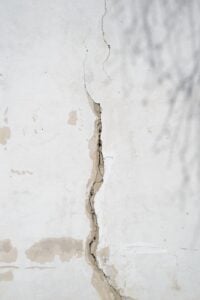
Cracks show up in a few common patterns: hairline surface cracks, vertical opening cracks, and stair-step cracks along block or brick joints. Vertical cracks often point to settling, while stair-step patterns usually mean lateral pressure from expanding soil. The crack shape and location help professionals diagnose the cause.
How Does Water Intrusion Manifest in Basements and Affect Structural Integrity?
Water intrusion is a key red flag. When water gets through foundation walls or floors it can cause mold, rot, and weakening of materials. Look for damp spots, efflorescence (white mineral stains), peeling paint, or a musty smell—these are signs the foundation isn’t keeping moisture out and that freeze-thaw cycles may be worsening the problem.
How Does Frost Heave Contribute to Foundation Damage Over Time?
Frost heave happens when moisture in the soil freezes and lifts the ground. That upward pressure can move footings, lift floors, and distort foundation walls. When heave and settling alternate over seasons, the repeated stress leads to cracking and misalignment unless it’s addressed.
 What Is Frost Heave and How Does Soil Expansion Exert Pressure on Foundations?
Frost heave is the upward movement of soil as ice lenses form and grow. Those ice lenses push against foundation elements from below or beside them. The pressure can crack concrete, shift columns, and create gaps between walls and floors—damage that gets worse with every winter if left unchecked.
Real-world examples show how severe frost heave can be for structures.
Frost Heave Deformation and Damage to Building Foundations
Frost penetration often damages low-rise buildings, pavements, and pipelines. In one case study, frost heave in soft mud unexpectedly deformed a building on 18-meter piles: floor uplift reached 18 cm, inner columns rose about 13 cm, and the structure had to be taken out of service.
Deformation of building on pile foundation due to frost heave, 2016
How Do Hydrostatic Pressure and Soil Types Influence Frost Heave Damage?
Hydrostatic pressure builds when groundwater collects around a foundation. That extra pressure, combined with soils that retain water—like clay—makes frost heave worse. Knowing your soil type and how water drains on your property helps predict risk and plan effective mitigation.
What Preventative Measures Can New England Homeowners Take Against Freeze-Thaw Damage?
You can reduce freeze-thaw damage with practical steps that keep water away from the foundation and stabilize temperatures near the footings. Regular maintenance and a few targeted upgrades go a long way toward protecting your home.
How Can Proper Drainage and Waterproofing Reduce Freeze-Thaw Impact?
Good drainage redirects water away from the foundation so the soil near your home stays drier and less likely to freeze and heave. Exterior waterproofing—like membranes and sealants—also keeps moisture out of walls. Together, drainage and waterproofing cut the amount of water cycling through the soil around your foundation.
 What Role Does Foundation Insulation and Crack Sealing Play in Prevention?
 What Role Does Foundation Insulation and Crack Sealing Play in Prevention?
Insulation around foundation walls helps moderate temperature swings at the soil surface, reducing freeze-thaw stress. Sealing cracks quickly prevents water from getting in and worsening with each freeze. Routine inspections and prompt repairs are the most cost-effective way to avoid more extensive work later.
Advances in material science are also improving long-term resistance to freeze-thaw cycles.
Superhydrophobic Mortar for Enhanced Freeze-Thaw Resistance
Researchers developed a superhydrophobic mortar that improves waterproofing and freeze-thaw resistance. After 220 freeze-thaw cycles the study reported limited mass loss, showing the material’s potential to reduce water absorption and damage.
Fabrication of all-dimensional superhydrophobic mortar with enhanced waterproof ability and freeze-thaw resistance, 2020
What Foundation Repair Solutions Does Crack-X Offer for Freeze-Thaw Damage?
Crack-X offers targeted repairs designed for the kinds of movement and water problems caused by freeze-thaw cycles. We combine crack repair, injection work, and waterproofing so you stop leaks, restore strength, and limit future freeze-thaw damage.
How Does Crack-X Perform Foundation Crack Repair and Concrete Wall Injection?
Our team uses proven methods like epoxy injection and polyurethane foam to seal cracks and fill voids. These treatments stop water, bond the concrete, and help return structural strength to damaged walls so freeze-thaw cycles can’t make the problem worse.
Research supports the use of injection methods to restore structural integrity in cracked concrete.
Epoxy Crack Repair Methods for Concrete Foundations
Filling cracks with epoxy resin is an effective repair option. Two common approaches are epoxy injection and gravity-feed epoxy. Before repair, it’s essential to determine why the crack formed and the repair goal. Epoxy injection aims to restore structural capacity and stop penetration by aggressive liquids.
Crack Repair by Epoxy–Injection Method vs. Gravity Feed Method, 2025
What Are the Benefits of Drainage Solutions and Bulkhead Waterproofing Services?
Our drainage installations and bulkhead waterproofing help keep the area around your foundation dry. That lowers hydrostatic pressure, reduces freeze-thaw cycles acting on the wall, and extends the life of the structure—saving you money over time.
When Should New England Homeowners Call Professionals for Freeze-Thaw Foundation Repair?
Knowing when to call a pro matters. Small cracks and occasional dampness can be monitored, but persistent problems, widening cracks, or signs of movement should prompt a professional inspection. Early action prevents minor issues from becoming major repairs.
What Are the Risks of Delaying Foundation Repair After Freeze-Thaw Damage?
Waiting on repairs increases the chance that cracks will grow, water will cause more damage, and structural problems will spread. That leads to higher repair costs and, in extreme cases, safety concerns. Timely repairs keep costs and headaches down.
How Can Early Inspection and Professional Assessment Save Repair Costs?
A prompt inspection identifies the cause and extent of damage so you get the right fix the first time. That approach avoids unnecessary work and prevents small issues from becoming expensive emergencies. Regular checks and seasonal attention can save significant time and money.
| Repair Solution | Description | Benefits |
|---|---|---|
| Foundation Crack Repair | Sealing cracks with epoxy or polyurethane | Restores structural integrity, prevents water intrusion |
| Concrete Wall Injection | Injecting materials to fill voids and cracks | Strengthens walls, reduces risk of further damage |
| Drainage Solutions | Installing systems to redirect water | Minimizes water accumulation, protects foundation |
The table above summarizes common repair options we use at Crack-X. Each approach targets specific problems caused by water, soil movement, and freeze-thaw cycles so you get a solution matched to the issue.
Homeowners in New England should stay proactive: watch for early signs, maintain drainage, and schedule inspections if you suspect movement. Crack-X provides practical, experience-backed repairs to help you protect your investment and keep your home safe and dry.
Frequently Asked Questions
What are the long-term effects of freeze-thaw cycles on foundation stability?
Repeated freeze-thaw exposure can widen cracks, shift foundations, and cause misalignment over the years. Left unchecked, these changes can lead to bowed walls, uneven floors, and, in severe cases, significant structural failure. Regular inspections and timely repairs help prevent those long-term consequences.
How can homeowners identify the best time for foundation repairs?
The best time is usually during drier months when the ground is stable and contractors can work safely. However, schedule an inspection as soon as you notice concerning signs. Early assessment—especially around seasonal transitions—lets professionals plan repairs at the most effective time.
Are there specific materials recommended for foundation repair in freeze-thaw climates?
Materials that resist moisture and bond well are preferred in freeze-thaw regions. Epoxy resins and polyurethane foams are common because they seal cracks and resist water. Newer options like superhydrophobic mortars can further enhance freeze-thaw resistance when appropriate.
What preventative landscaping measures can help protect foundations?
Good grading—sloping soil away from the house—keeps water from pooling near the foundation. Plant trees and large shrubs a safe distance away to avoid root problems, and use mulch or ground cover to control erosion. These landscaping steps reduce the water that reaches foundation soils.
How does climate change impact freeze-thaw cycles and foundation damage?
Climate change can increase temperature swings and unpredictable freeze-thaw patterns, which may raise the frequency and severity of freeze-thaw damage. Homeowners may need to adapt maintenance and repair strategies to address these evolving conditions.
What role does regular maintenance play in preventing freeze-thaw damage?
Regular maintenance is critical. Clear gutters, check grading, repair small cracks quickly, and inspect drainage systems. These simple tasks reduce the amount of water near the foundation and cut the risk of freeze-thaw related damage over time.
Conclusion
Freeze-thaw cycles are a predictable threat in New England, but they don’t have to become a crisis. By recognizing warning signs, improving drainage and waterproofing, and calling professionals when needed, you can protect your foundation and your home. Crack-X has the experience and repair options to stop leaks, stabilize walls, and limit future freeze-thaw damage. Reach out to learn how we can help safeguard your property.