
 MORE LOCATIONS
Foundation and waterproofing problems quietly erode a home’s value and create safety hazards. Many homeowners don’t notice them until repairs become urgent and expensive. This article explains how foundation damage and poor waterproofing affect your property, the early warning signs to watch for, and the practical fixes that protect your investment. With a little knowledge, you can make smarter maintenance decisions and keep your home safe and sellable.
We’ll walk through common foundation warning signs, how those issues impact resale value, health and safety concerns, proven waterproofing methods, and why choosing a professional—like Crack-X—matters for long-term results.
What are the common signs of foundation problems homeowners should watch for?
Spotting foundation trouble early can save you thousands. Look for visible indicators such as wall cracks, floors that feel uneven, and doors or windows that suddenly stick or won’t latch. These symptoms often point to underlying movement or settling that needs attention.
 How do cracks, uneven floors, and sticking doors indicate foundation damage?
Wall cracks come in different shapes and sizes; horizontal or stepping cracks are usually more serious than small hairline splits. Uneven floors can signal settling or voids under the slab, and doors or windows that bind often mean the structure has shifted. Noticing these signs early gives you time to diagnose and fix the root cause before the problem gets worse.
What causes foundation issues like settlement and bowing walls?
Several factors can cause foundation movement: shifting or expansive soils, poor drainage, and construction deficiencies. Clay soils that swell when wet and shrink when dry are a common culprit. Heavy rainfall, drought, or inadequate runoff can speed up settlement and lead to bowed or cracked walls.
How does foundation damage affect your home’s market value and resale potential?
Foundation problems are a major red flag for buyers and appraisers. They can lower offers, slow a sale, or even scuttle transactions. Lenders also take foundation issues seriously, which can complicate financing for a buyer.
By how much can unrepaired foundation problems reduce property value?
Unrepaired foundation issues commonly shave off about 10–15% of a home’s value, though the exact impact depends on damage severity and local market conditions. Homeowners should factor these potential losses into repair decisions.
Research reinforces the financial risk of leaving foundation problems unaddressed.
Foundation repair: protecting home value and preventing property deterioration
High foundation-repair costs can accelerate a house’s decline in market value if owners delay fixes. Without intervention, structural issues often cause further deterioration and larger expenses down the road.
FINANCING AND INVESTMENT OPTIONS FOR HOMEOWNERS DEALING WITH PROPERTY MAINTENANCE: foundation damage case in the Netherlands, B Glumac, 2013
What challenges do foundation issues create during home inspections and financing?
During inspections, visible foundation problems trigger concern and may lead to repair requirements or price reductions. Lenders may limit mortgage offers—or require repairs before approving financing—making it harder to sell a home with known foundation defects. Proactive repairs help keep transactions smooth and preserves buyer confidence.
What are the health and safety risks associated with foundation and waterproofing issues?
Foundation and waterproofing failures create both structural risks and indoor environmental problems. Left unchecked, moisture and movement can damage materials, attract pests, and undermine the safe use of living spaces.
How do mold, mildew, and water intrusion impact indoor air quality and health?
Water intrusion encourages mold and mildew, which degrade indoor air quality and can trigger allergies and respiratory symptoms. Effective waterproofing prevents damp conditions, stops mold before it starts, and helps keep indoor air healthier for everyone in the home.
Studies show moisture control in areas like crawl spaces is critical to preventing mold and protecting indoor air quality.
Crawl space moisture control: preventing mould and indoor contamination
Crawl spaces are common in many homes and can become damp, creating conditions for mould growth. High relative humidity in those spaces increases the risk of contamination that can move into living areas. The study examined ground covers and ventilation rates to manage moisture and protect building materials in cold climates, and it reviewed factors that influence pollutant movement from crawl spaces indoors.
Moisture and fungal spore transport in outdoor air-ventilated crawl spaces in a cold climate, M Airaksinen, 2003
What structural instability and pest problems arise from foundation damage?
A compromised foundation reduces a home’s resistance to severe weather and seismic events, and it can create gaps where pests enter. Termites, rodents, and insects often exploit openings caused by settling or cracks. Prompt foundation repair helps preserve structural strength and keeps pests out.
Which waterproofing solutions protect your home and enhance its value?
Proper waterproofing is one of the most cost-effective ways to protect the foundation and interior spaces. The right combination of solutions depends on where water is entering and the type of foundation you have.
What basement waterproofing methods prevent water damage effectively?
Common, effective basement solutions include interior drainage systems, exterior drains, sump pumps, and masonry sealants. These systems redirect water away from the foundation and stop leaks before they harm finished spaces or structural components.
How does bulkhead waterproofing and crawl space encapsulation benefit home safety?
Bulkhead waterproofing protects stairwell entries and below-grade entrances from flooding. Crawl space encapsulation seals and conditions that under-house area, cutting humidity and stopping mold, rot, and pest entry. Both approaches reduce long-term damage and make the home healthier and more marketable.
Why choose Crack‑X for expert foundation repair and waterproofing in New England?
Crack‑X is a New England company focused on foundation crack repair and waterproofing. With more than 30 years of experience, we prioritize educating homeowners, diagnosing problems correctly, and delivering durable repairs that restore confidence in the home.
What foundation repair techniques does Crack‑X use to restore structural integrity?
We use proven methods—like epoxy crack injections and underpinning—matched to the specific issue. These techniques stabilize cracks, halt active leaks, and correct settlement when necessary to restore the foundation’s strength.
How do Crack‑X’s prompt, economical services improve home value and safety?
Quick, cost-conscious repairs stop damage from getting worse and protect resale value. Our approach balances durable fixes with sensible pricing so homeowners avoid repeat work and maintain a safer, more valuable property.
How can timely foundation repair and waterproofing provide a strong return on investment?
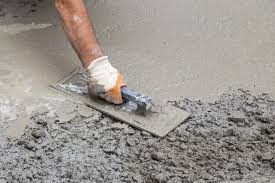 Repairing foundation problems and investing in waterproofing usually pays off by preserving market value, avoiding bigger repair bills, and reducing health risks. Acting early limits damage and improves the home’s long-term cost profile.
What is the cost impact of foundation repair compared to potential home value loss?
Repair costs are often much less than the value lost when foundation issues go unaddressed. Homeowners should weigh repair expenses against the possible decline in sale price and the risk of escalating structural damage.
How does waterproofing increase resale value and reduce long-term expenses?
Buyers value dry, stable basements and crawl spaces. Waterproofing reassures buyers and appraisers, which can increase resale appeal and reduce future costs tied to water damage and mold remediation.
| Foundation Issue | Impact on Value | Recommended Action |
|---|---|---|
| Cracks in walls | 10-15% reduction | Professional inspection and repair |
| Water intrusion | Decreased marketability | Implement waterproofing solutions |
| Structural instability | Major financial loss | Immediate foundation repair |
This table highlights why timely action on foundation problems protects your investment and keeps your home sale-ready.
Frequently asked questions
What are the long-term benefits of addressing foundation issues early?
Fixing foundation issues early prevents larger repairs, preserves structural integrity, and keeps your home safer and more comfortable. It helps maintain resale value and can reduce future maintenance and insurance complications—making early intervention a smart financial move.
How can homeowners finance foundation repair and waterproofing projects?
Several options are available: contractor financing or payment plans, personal loans, home equity lines of credit, and some government-backed home improvement loans. Compare interest rates, terms, and monthly payments to choose the plan that fits your budget.
What should homeowners expect during a foundation repair assessment?
An assessor will inspect visible damage—cracks, uneven floors, moisture—and may use tools to measure levels and evaluate soil conditions. You’ll receive a clear report with recommended repairs, estimated costs, and an expected timeline so you can make an informed choice.
Are there DIY solutions for minor foundation issues?
For very small, cosmetic cracks, DIY epoxy or sealants can be a temporary fix. But any sign of structural movement, water entry, or widening cracks requires a professional evaluation. DIY work can mask symptoms without addressing the underlying cause.
How often should homeowners inspect their foundations?
Inspect your foundation at least once a year and after major weather events like heavy rain, rapid freeze/thaw cycles, or drought. Regular checks for new cracks, moisture, or changes in drainage help catch problems early.
What role does landscaping play in foundation health?
Good landscaping protects foundations. Keep soil graded to drain away from the house, avoid planting large trees close to the foundation, and maintain gutters and downspouts. Proper landscaping prevents excess moisture and root pressure that can lead to foundation movement.
Conclusion
Foundation and waterproofing issues affect both the safety and resale value of your home. By recognizing warning signs and choosing professional repairs, homeowners can avoid costly future work and protect their investment. If you suspect foundation or water problems, take action—talk to a qualified contractor and get a clear plan to secure your home.