
 MORE LOCATIONS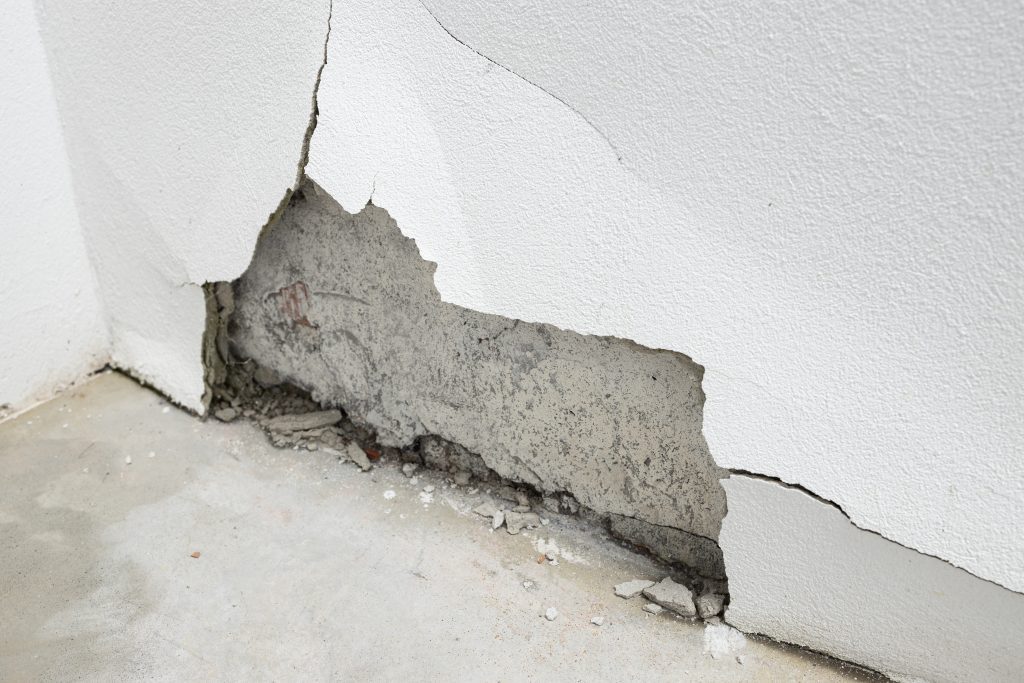
Foundation waterproofing shields New England homes through layered protection, addressing basement floor cracks, foundation wall cracks, and moisture infiltration before they compromise structural integrity. Crack-X applies proven techniques—including crack injection and drainage solutions—that stop water intrusion, prevent mold growth, and preserve property value, giving homeowners lasting defense against costly structural damage and deterioration.
Key Takeaways
-
Foundation waterproofing works in protective layers, similar to winter clothing protecting against cold elements.
-
Waterproof foundation walls resist bending and shear stresses from lateral water and soil pressures.
-
Basements, the most water-susceptible home areas, require waterproofing to prevent damage and preserve usability.
Why Does Foundation Waterproofing Protect Your Home?
Foundation waterproofing and repair protects a house by blocking water before it weakens the concrete that holds the structure up. Wet basements rank among the most common and serious problems homeowners face, and even minor moisture turns into a major issue when left unaddressed. Left untreated, water infiltration weakens the very foundation supporting the home, opening the door to cracks, shifting, and long-term structural damage.
The scale of this problem across the region is hard to ignore. The American Society of Home Inspectors estimates that 60 percent of U.S. homes have wet basements, and 38 percent of those face a real risk of mold growth. That statistic alone should give property owners pause before dismissing a damp corner or musty smell as minor.
Is a Wet Basement Really a Serious Problem?
Yes — a wet basement rarely stays a small issue. Moisture that seeps in gradually erodes concrete, corrodes support elements, and creates the humid conditions mold needs to spread. What starts as a faint odor can become a costly structural repair if homeowners wait too long to act.
What Does Foundation Repair Actually Protect?
 Foundation repair maintains a home’s structural integrity. The scope and cost vary widely depending on the method used and the extent of damage found. Addressing cracks and moisture early protects several things at once:
-
The structural load-bearing capacity of the foundation walls and footing
-
Indoor air quality, by limiting conditions that support mold
-
Resale value, since a documented dry basement reassures future buyers
-
Usable square footage, keeping basements safe for storage or living space
Property owners who treat waterproofing as routine maintenance, rather than a reaction to visible damage, avoid the steepest repair bills down the road.
What Causes Water to Seep Into Basements?
Improper drainage stands as the leading cause of wet basement floors across New England properties. Soil around a home’s foundation holds groundwater after rain and snowmelt. Without a proper outlet, that water builds pressure against basement walls and floors. Over time, this pressure forces moisture through even small gaps in concrete.
What is a weeping tile, and why does it matter?
A weeping tile, sometimes called a drain tile, is a pipe buried underground near the foundation. This pipe collects water from the surrounding soil. Channels it away from the house before pressure has a chance to build. Homes without this system, or with a weeping tile that has failed, face far higher odds of basement seepage.
Soil water does not stay put. Left unmanaged, it will eventually find a path into the basement unless the foundation has been properly sealed and protected through professional foundation waterproofing and repair. That reality makes drainage planning, not just crack sealing, a central part of any long-term moisture strategy.
Basement floors add another vulnerability. Builders typically pour these floors at four inches thick or less, a standard that leaves them more prone to cracking than thicker foundation walls. Some contractors cut control joints into the slab to guide cracking to predictable locations. Cracks still form and become entry points for water.
Common contributors to basement seepage include:
-
Missing or damaged weeping tile systems around the foundation perimeter
-
Hydrostatic pressure building in saturated soil after storms
-
Thin, four-inch floor slabs developing shrinkage or settlement cracks
-
Absence of a comprehensive interior and exterior waterproofing barrier
Homeowners who address drainage and floor integrity together reduce the risk of recurring moisture problems and protect their property’s long-term value.
What Layers Guard a New England Foundation?
Five distinct layers of protection stand between a New England basement and the groundwater surrounding it. No single barrier does the job alone. Modern foundation waterproofing and repair works as a system, with each layer built to catch what the one before it might miss. Homes constructed today carry substantially more of these safeguards than houses built 20 or 30 years ago, when basements rarely served as living space at all.
Why does a foundation need more than one layer?
Water pressure never stops testing a foundation wall. Soil saturated by snowmelt or spring rain pushes laterally against concrete, creating bending and shear stress that a single coating cannot absorb. A properly waterproofed foundation resists that lateral pressure while still carrying the structural load of the house down to the footing and into the ground below.
The five standard layers found in new construction typically include:
-
Exterior damp-proofing or waterproofing membrane
-
Drainage board to channel water away from the wall
-
Footing drains to collect and redirect groundwater
-
Backfill material selected for proper drainage
-
Interior sealants or coatings as a final line of defense
Floor cracks deserve equal attention in this system. Left unrepaired, a crack in the basement floor becomes an entry point for moisture, working its way into flooring materials and producing a musty odor that lingers long after the water itself dries up. Ceramic tile offers the one exception, since it tolerates dampness better than carpet or laminate. For every other flooring choice, sealing floor cracks protects both comfort and property value, keeping the layered defense intact from footing to floor.
How Does Crack-X Repair and Waterproof Cracks?
Crack-X repairs foundation cracks through an injection process applied from inside the basement wall, avoiding excavation and disruption to landscaping. For thirty years, the company has specialized in foundation waterproofing and repair for both homes and businesses across New England. That long track record matters when homeowners choose someone to trust with their property’s structural safety.
What method does Crack-X use to fix a foundation crack?
Technicians apply specially formulated epoxy materials using engineered injection techniques that bond directly to the crack surfaces. The material flows into the full depth of the crack, not just the visible surface. This closes the opening completely and creates what the industry calls a structural “weld,” restoring strength equal to the original poured concrete.
Homeowners often assume a cracked foundation wall stays permanently weakened. Left untreated, cracks widen with seasonal freeze-thaw cycles and continue letting groundwater seep into the basement. Crack-X’s injection approach addresses both problems at once: it seals out moisture and rebuilds structural integrity in the same step.
Why does interior repair work better than digging up the yard?
Working from inside the foundation eliminates the cost and mess of exterior excavation. The process protects driveways, gardens, and foundation plantings from disruption. It also allows crews to work efficiently regardless of weather conditions outside.
Property owners in New England benefit from a few practical advantages:
-
No excavation means faster completion and a cleaner job site.
-
Epoxy injection restores original wall strength rather than just patching the surface.
-
The repair addresses moisture intrusion and structural weakness simultaneously.
Based in Manchester, New Hampshire, Crack-X staffs a regional team equipped to bring this proven injection method to homeowners throughout New England.
Which Waterproofing Method Fits Your Home?
No single method protects every New England home. The right choice depends on soil type, foundation age, and how the basement gets used. Foundation Waterproofing and Repair typically draws from five proven methods, and most homes need more than one working together.
 Common approaches include:
-
Exterior coatings applied to the outside foundation wall
-
Interior sealants applied on the basement side
-
Interior water drainage systems that channel moisture away
-
French drains, installed either inside or outside the foundation
-
Sump pump installation to remove collected water
Sealants work best when applied on both sides of the foundation. Coating only the interior, or only the exterior, leaves a gap. Water then gets trapped inside the concrete itself, causing damage that builds slowly over years. Pairing an exterior barrier with an interior sealant closes that gap and protects the wall from both directions.
Is coating a foundation enough, or does it need a drainage system too?
Coating alone costs less upfront, and some homeowners choose it for that reason. However, a coating cannot stop water from reaching the foundation in the first place. It only resists penetration at the surface. A full drainage system, while a bigger investment, keeps water away from the wall entirely rather than just repelling it on contact.
Do basement floor cracks need the same attention as wall cracks?
Floor cracks deserve equal consideration, particularly before finishing a basement. Any basement destined for flooring, and especially carpet, needs those cracks sealed first. Otherwise, trapped moisture works its way up through the new surface, undermining the investment homeowners just made in their living space.
FAQ
Why does foundation waterproofing protect your home?
Foundation waterproofing blocks water before it weakens the concrete supporting the structure. This prevents cracks, shifting, and long-term structural damage that untreated moisture infiltration causes.
Is a wet basement really a serious problem?
Yes, a wet basement rarely stays minor since moisture gradually erodes concrete, corrodes support elements, and creates humid conditions that mold needs to spread.
What causes water to seep into basements?
Improper drainage stands as the leading cause. Soil around the foundation holds groundwater after rain and snowmelt, building pressure that forces moisture through small gaps in concrete.
Conclusion
In closing, foundation waterproofing stands as a critical investment in your home’s structural integrity and long-term value. By addressing moisture intrusion at its source, you protect your foundation from deterioration, prevent costly damage to your living spaces, and maintain a healthy indoor environment for your family. Professional waterproofing solutions deliver the peace of mind that comes with knowing your home’s foundation is safeguarded against the elements for years to come.