 MORE LOCATIONS
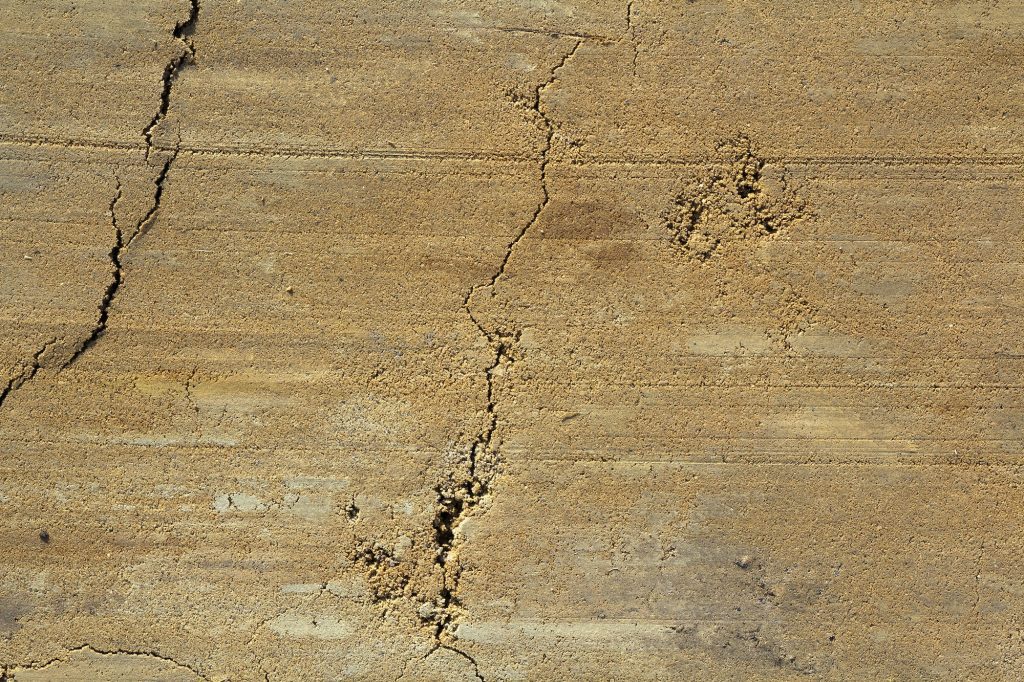
Few phrases on a home inspection report strike panic into a real estate transaction quite like “foundation wall cracking noted.” For buyers, it immediately raises fears of structural collapse, flooded basements, and endless money pits. For sellers, it threatens to stall closings, trigger loan denials, or kill hard-won purchase agreements entirely.
However, discovering foundation cracks during a home inspection does not have to be a deal-breaker. In New England—where historic housing stock, expansive clay soils, and severe winter freeze-thaw cycles make basement cracking common—distinguishing between routine concrete curing marks and true structural threats is key. Here is how buyers, sellers, and real estate professionals can navigate foundation findings, protect their investments, and keep closings moving smoothly.
The Real Estate Dilemma: Don’t Let a Basement Crack Kill the Deal
When a home inspector flags foundation issues, it is essential to understand the scope of their role versus that of a specialized foundation repair contractor.
Home Inspector vs. Foundation Specialist
Home inspectors perform broad visual assessments of entire properties. Their primary job is to note potential anomalies for further evaluation. They generally do not diagnose the exact cause of concrete failure, calculate structural load limits, or provide binding repair estimates. When a home inspector flags a crack, the next step should always be an evaluation by a licensed foundation repair specialist who can determine the exact mechanical fix required.
New England Real Estate Realities
Older homes throughout Massachusetts, New Hampshire, Maine, Connecticut, and Rhode Island regularly display hairline cracks, minor settling signs, or aged masonry joints. Many of these conditions have remained stable for decades without threatening the building’s safety. Differentiating harmless aging from active structural movement prevents unnecessary contract cancellations.
Categorizing Inspector Findings: Red Flags vs. Non-Structural Settling
Not all basement cracks carry equal risk. Foundation issues generally fall into three main categories:
1. Minor Shrinkage Cracks (Non-Structural)
Poured concrete naturally shrinks as it cures, creating narrow vertical or diagonal hairline cracks (under 1/8-inch wide). These non-structural fissures are cosmetic. However, because they extend through the full thickness of the wall, they can still allow groundwater infiltration under hydrostatic pressure. They are easily sealed from the inside via low-pressure chemical injection.
2. Active Moisture Intrusion Points
Cracks exhibiting water staining, efflorescence (white mineral crusts), or active trickling water pose a high risk for indoor air quality and mold growth. Mortgage underwriters (including FHA and VA loan officers) routinely require active water leaks to be professionally repaired and certified watertight before approving home financing.
3. Severe Structural Red Flags
Structural issues require immediate engineering review and specialized remediation. Key structural red flags include:
-
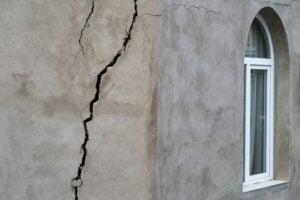
Horizontal Crack Lines: Continuous horizontal cracks along the middle course of block or poured walls, indicating heavy lateral earth pressure pushing the wall inward.
- Inward Wall Bowing or Shear: Concrete walls deflecting inward by more than 1/2 to 1 inch.
- Stair-Step Masonry Fractures: Wide stair-step cracks through cinder block mortar lines that widen near the top of the wall.
Action Plan for Buyers: Protecting Your Investment
If you are purchasing a home with flagged foundation cracks, follow these steps to safeguard your financing and future property value:
- Obtain a Written Professional Estimate: Schedule a site evaluation with a specialized foundation contractor before your inspection contingency period expires to establish an accurate scope of work and repair cost.
- Negotiate Closing Credits over Seller DIY Fixes: Avoid letting sellers perform cheap surface patches with store-bought caulk or hydraulic cement. Instead, negotiate a purchase price reduction or financial closing credit so you can hire a professional contractor who provides a long-term transferable warranty in your name.
- Verify Warranty Transferability: Confirm that repair guarantees (such as Crack-X’s 10-year injection warranty) transfer directly to new homeowners upon closing.
Action Plan for Sellers: Fast-Tracking Your Closing
Sellers who take a proactive approach to basement maintenance can prevent inspection surprises from derailing their sale:
- Conduct a Pre-Listing Basement Audit: Inspect your foundation walls before listing your home. Fixing minor wall cracks or water entry points early eliminates buyer anxiety and keeps negotiations focused on home value.
- Leverage Rapid Photo Evaluations: Many professional repair specialists can review clear photos of basement wall cracks to provide rapid preliminary evaluations, helping you resolve buyer concerns within 24 to 48 hours.
- Provide Documentation: Keep invoices, engineering reports, and warranty certificates for any past foundation work readily available for potential buyers and appraisers.
Frequently Asked Questions (FAQ)
Q1: Will an FHA or VA loan be approved if the basement has foundation cracks?
A: Mortgage lenders generally require any active water leaks, structural cracks, or safety hazards noted on the appraisal or inspection report to be professionally repaired and certified watertight by a licensed specialist prior to loan closing.
Q2: Does professional foundation crack repair come with a transferable warranty?
A: Yes. Professional low-pressure injection repairs performed by specialists like Crack-X include long-term warranties (such as a 10-year transferable guarantee) that stay with the property, meet lender requirements, and provide buyers with peace of mind.
Q3: How quickly can a foundation crack injection be completed during a pending sale?
A: Standard interior concrete crack injections take only 2 to 4 hours to complete on site, requiring zero exterior digging or structural demolition, ensuring your closing timeline remains on schedule.
Keep Your Real Estate Closing on Schedule
Navigating a home purchase or sale with flagged foundation cracks? Don’t let inspection reports stall your transaction. Contact Crack-X today for rapid foundation evaluations and long-term warranted repairs across Massachusetts, New Hampshire, Maine, Connecticut, or Rhode Island.