
 MORE LOCATIONS
Seeing a crack in your foundation is unsettling — but not every crack means disaster. Some are superficial; others point to deeper problems. This guide helps you tell hairline cracks from structural ones, explains common causes in New England, outlines when to call a pro, walks through typical repairs and costs, and shows how waterproofing solutions can stop minor damage from becoming major. Read on to learn the right next steps when you spot a crack.
 What Are the Key Differences Between Hairline Cracks and Structural Cracks?
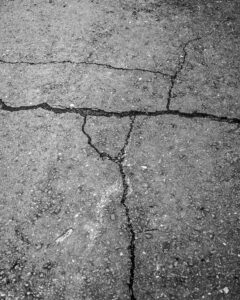
Hairline and structural cracks look similar at first glance but have very different implications. Hairline cracks are usually hair-thin (under 1/16 inch) and often stem from normal settling or temperature changes — they’re usually cosmetic and easy to fix. Structural cracks are wider and can signal serious issues with the foundation’s integrity, such as shifting soil or chronic water problems. Knowing the difference helps you prioritize inspections and repairs.
How Do Hairline Cracks Appear and What Do They Indicate?
Hairline cracks typically show up as fine, shallow lines in walls, floors, or foundation surfaces. They most often come from minor settling, shrinkage of materials, temperature swings, or aging concrete. While usually not urgent, they deserve regular checks: left unchecked, they can let in moisture and invite bigger problems over time.
What Characteristics Define Structural Cracks and Their Risks?
Structural cracks tend to be wider (often more than 1/8 inch) and can appear vertical, diagonal, or step-like in masonry. They’re commonly linked to soil movement, poor drainage, or construction defects. If you also notice sticking doors or windows, sloping floors, or water entry, treat those cracks as a priority — they can indicate foundation movement that needs professional repair.
What Causes Foundation Cracks in New England Homes?
Foundation cracks in New England often reflect regional conditions: freeze-thaw cycles, heavy snow and rain, and varied soil types all put extra stress on foundations. Over time, those forces can produce both minor and serious cracks.
Which Environmental Factors Contribute to Hairline and Structural Cracks?
Several environmental drivers create cracks: hydrostatic pressure from groundwater pushing on foundation walls, soil that swells or shrinks with moisture (clays and some silts), and poor site drainage that channels water toward the foundation. Understanding these factors helps you target the right preventive steps.
How Does Foundation Settlement Lead to Different Crack Types?
Settlement happens when the soil beneath a house shifts or compresses. Even, uniform settlement tends to produce small, hairline cracks. Uneven settlement — where one part of the foundation drops more than another — can create wider, structural cracks and cause noticeable house movement. If you suspect differential settlement, get a professional opinion before the issue worsens.
Research explores how differential settlement forms and the types of damage it can cause to foundation systems.
Differential Settlement: Causes & Damage to Foundation Structures
A literature review outlines factors that produce differential settlement, the kinds of damage it causes, and common guidelines for limiting that damage.
The behaviour of modern flexible framed structures undergoing differential settlement, 2010
When Should You Schedule a Professional Foundation Crack Inspection?
Knowing when to call in a professional can save you money and headaches. Keep an eye on your foundation and book an inspection if signs point beyond cosmetic wear.
What Are the Signs That Indicate the Need for an Inspection?
Watch for these warning signs:
- Widening Cracks : Hairline cracks that grow wider or new cracks that appear may signal active movement beneath the foundation.
- Water Intrusion : Any basement or crawl space water problems suggest the foundation or drainage needs attention.
- Sticking Doors and Windows : Difficulty opening or closing doors and windows can mean the structure is shifting.
If you see one or more of these, arrange a professional evaluation to determine the cause and the proper repair path.
How Is a Foundation Crack Inspection Conducted?
Inspectors usually start with a thorough visual check inside and out, noting crack patterns, moisture, and wall movement. They may use tools like moisture meters and levels to measure changes. After the visit you’ll get a report that explains findings and recommends next steps — from monitoring to targeted repairs.
What Are the Common Repair Methods and Costs for Structural Cracks?
Fixing structural cracks promptly prevents escalation. Repair approaches vary by cause and severity; here are common options and what to expect.
How Do Epoxy Injection and Underpinning Address Structural Damage?
Epoxy injection bonds cracked concrete back together and is effective when the crack is stable and clean. Underpinning is a deeper fix: it reinforces the foundation by transferring loads to more stable soil or adding new support piers. Which method is right depends on the root cause and how much the foundation has moved.
What Is the Typical Cost Range for Structural Crack Repairs?
Costs vary with the repair method and the job’s complexity. On average, homeowners should expect repairs in the range of $700 to $4,000. Always get multiple estimates from qualified contractors and ask for detailed scopes so you can compare apples to apples.
How Can Waterproofing Solutions Prevent Foundation Damage from Cracks?
Controlling water is one of the best ways to protect a foundation. Effective waterproofing reduces pressure on walls and keeps small cracks from becoming larger problems.
What Types of Waterproofing Are Effective for Foundation Cracks?
 Common, proven waterproofing options include:
- Exterior Waterproofing : Applying a waterproof membrane outside the foundation to block water before it reaches the wall.
- Interior Drainage Systems : A perimeter drain inside the basement that collects and redirects water away from the foundation.
- Sealants : Crack sealants and surface coatings that prevent water entry through existing gaps.
Used together or where appropriate, these solutions lower the risk of water-related foundation deterioration.
How Does Waterproofing Reduce Risks of Water Intrusion and Further Damage?
Waterproofing works by creating barriers and pathways that keep moisture away from foundation materials. That preserves structural integrity, helps prevent mold and interior dampness, and reduces the likelihood that small cracks will develop into costly structural repairs. Regular maintenance and periodic checks will keep waterproofing systems effective over time.
Frequently Asked Questions
What are the long-term effects of ignoring hairline cracks?
Small cracks left unchecked can let in moisture, which leads to mold, efflorescence, and gradual material breakdown. In some cases, what starts as a hairline crack can widen or reveal deeper movement. Monitor hairline cracks and address moisture issues promptly to avoid escalation.
Can foundation cracks affect home insurance coverage?
Coverage varies by policy. Some insurers cover sudden structural damage but exclude long-term wear or neglect. Review your policy and speak with your provider to understand what’s covered and what documentation they require. Keeping records of inspections and repairs helps if you need to file a claim.
How can I prevent foundation cracks in my home?
Good drainage is the most effective prevention: keep gutters clean, direct downspouts away from the foundation, and maintain grade so water flows away from the house. Avoid aggressive landscaping that traps water near the foundation, and monitor soil moisture during dry spells and heavy rain. These habits reduce stress on the foundation.
What should I do if I notice new cracks appearing?
Start by documenting the cracks with photos and simple measurements. Note any changes over several weeks or months. If cracks grow, or if you see other signs like water intrusion or doors sticking, schedule a professional inspection. Early action saves money and prevents larger repairs.
Are there DIY methods for repairing hairline cracks?
For minor, non-structural hairline cracks, concrete patching compounds or epoxy fillers can be effective. Clean the crack, follow the manufacturer’s instructions, and monitor the area afterward. If the crack reopens or worsens, consult a professional.
How often should I have my foundation inspected?
Yearly inspections are a good rule of thumb, especially in areas with extreme weather or known soil movement. Also inspect after major storms, significant ground disturbance, or if you notice new cracks or interior signs like dampness or doors that no longer close smoothly.
Conclusion
Knowing the difference between cosmetic hairline cracks and structural cracks helps you respond appropriately and protect your home. Monitor small cracks, address moisture and drainage issues, and call a qualified inspector when movement or water problems appear. Taking these steps early keeps repairs simpler and less expensive — and gives you peace of mind.