
 MORE LOCATIONS
Basement floor cracks fall into four categories: shrinkage cracks, settlement cracks, structural cracks, and heaving cracks. CrackX, headquartered in Manchester, New Hampshire, identifies structural cracks as the most serious, requiring professional evaluation since they indicate foundation movement, water damage, or compromised load-bearing capacity beneath the slab.
Basement floor cracks fall into several categories: shrinkage cracks, settlement cracks, hairline surface cracks, and structural cracks caused by hydrostatic pressure or freeze-thaw cycles common in New England. Shrinkage and hairline cracks are typically cosmetic. Widening, stair-step, or displaced cracks signal structural movement requiring professional evaluation and repair through methods like epoxy or urethane injection.
Key Takeaways
- Basement floor cracks fall into several categories, including horizontal, stair step, hairline, and structural cracks.
- Water, moisture, and radon gas penetrate through basement floor cracks, creating serious home environment problems.
- Most basement floor cracks do not affect structural integrity since floors don’t support home weight.
What Are the Common Types of Basement Floor Cracks?
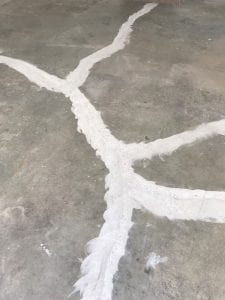 Basement floor cracks fall into a handful of recognizable categories. Each type points to a different cause and level of concern. Property owners inspecting a slab crack for the first time benefit from learning these distinctions before deciding on repairs. Fixing cracks in basement floor surfaces starts with correctly diagnosing what kind of damage is present.
Most cracks found in a basement floor turn out to be ordinary, non-structural settlement cracks. These form naturally after a home is built, as concrete cures and the ground beneath it settles. Homeowners often notice them within the first few years of living in a property. In most cases they pose no threat to the structure itself.
Horizontal cracks tell a different story. This type ranks among the most serious a homeowner can find. Unbalanced soil pressure and hydrostatic water pressure pushing against the foundation wall typically cause it. Hydrostatic pressure builds when groundwater saturates soil around a foundation and forces against the concrete from outside.
Why Do New England Basements Crack More Than Homes Elsewhere?
Climate plays a direct role in crack formation across the region. Freeze-thaw cycles expand and contract moisture trapped in concrete and surrounding soil throughout winter months. High groundwater levels combined with aging concrete compound that stress, producing cracking patterns tied specifically to regional weather rather than construction quality alone.
Homeowners and property managers should treat crack identification as a diagnostic step, not a cosmetic judgment call:
- Non-structural settlement cracks — hairline, narrow, common after construction, generally low risk
- Horizontal cracks — wider, running sideways, linked to soil and hydrostatic water pressure, high risk
- Freeze-thaw and groundwater-related cracks — seasonal, recurring, tied to New England’s climate
Understanding what kind of crack is present remains the necessary first step toward choosing the right repair method. That distinction determines whether the fix addresses appearance alone or protects the foundation for years to come.
What Causes Cracks to Form in Basement Floors?
Several distinct forces drive fixing cracks in basement floor slabs from a minor task into an urgent one. New England’s climate plays an outsized role: heavy spring rains, coastal humidity, and long winters mean even a hairline split can widen into a channel for water, mold, or structural stress. A basement slab that looked stable in autumn can show new damage by the following spring.
Concrete itself changes shape as it ages. During curing, the material shrinks slightly, producing thin surface cracks. These shrinkage cracks are usually cosmetic and pose no threat to the home’s structural integrity.
Water pressure introduces a more serious category of concern. Improper drainage ranks among the leading causes of cracked, wet basement floors. Without a functioning weeping tile, groundwater collects around the foundation and builds pressure against the basement walls and floor, eventually forcing its way through weak points in the concrete.
Beyond moisture, several structural and construction-related factors contribute to floor cracking:
- Home settlement, as soil beneath the foundation compresses or shifts over time
- Concrete shrinkage and curing, a natural part of the material’s aging process
- Structural stress, from soil movement, heavy loads, or seasonal freeze-thaw cycles
- Poor construction practices, including inadequate concrete mixes or insufficient curing time
Why Do Basement Floor Cracks Get Worse Over Time?
Untreated cracks widen because water and freeze-thaw cycles keep working at the same weak point. Each winter, moisture seeps in, freezes, expands, and pushes the crack open further. Left unaddressed, a minor shrinkage crack can evolve into an entry point for water and soil gases.
Are All Basement Floor Cracks a Structural Problem?
Not every crack signals structural trouble. Thin, hairline cracks from concrete shrinkage rarely affect the home’s stability. Wider or shifting cracks tied to settlement or drainage failure warrant closer inspection.
Which Basement Floor Cracks Signal a Structural Problem?
Severity depends on width, movement, and what passes through the crack. Not on its length or how alarming it looks. Basement slabs don’t bear the weight of the house, so most surface cracks leave the home’s structural integrity untouched. That fact offers real comfort, but it isn’t a reason to ignore every fissure in the concrete.
Water tells a different story. Cracks that let in moisture, groundwater, or soil gases such as radon demand prompt attention, regardless of how thin they look. Fixing cracks in a basement floor becomes urgent once dampness, musty odors, or visible seepage appear near the opening.
When Does a Floor Crack Point to a Bigger Foundation Issue?
Wider cracks, uneven sections of the slab, or gaps that continue to let water through often point to a larger problem beneath the surface. These conditions call for a professional evaluation rather than a simple patch job. Left unchecked, they typically worsen with each freeze-thaw cycle.
Homeowners should treat the following signs as reasons to schedule an inspection:
- Cracks wider than a hairline that keep expanding season to season
- Uneven or sunken sections of the basement floor
- Persistent water or moisture entering through the crack
- Musty odors or visible mold near the affected area
Delaying action carries a real cost. Homeowners who overlook early cracks routinely end up facing far more expensive repairs down the line, once minor damage grows into a structural or moisture problem that reaches walls, flooring, and stored belongings.
How Can You Tell If a Crack Needs Repair?
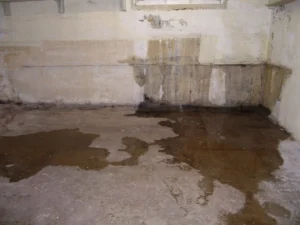 Severity depends on what a crack allows into the home, not just its length. Most concrete floor cracks form as part of normal curing and settling, and these rarely need professional attention. The concern arises when a crack lets in water, moisture, or soil gasses like radon. That distinction, rather than appearance alone, determines whether fixing cracks in basement floor slabs becomes urgent.
Homeowners can watch for a few warning signs that separate cosmetic cracks from ones requiring action:
- Damp edges, staining, or standing water near the crack after rain
- Musty odors that suggest moisture is entering through the slab
- Cracks that widen or lengthen over successive seasons
- Visible efflorescence, a white mineral residue left by evaporating water
Why Do Some Cracks Let Water In?
Groundwater pressure often explains why a once-stable crack starts leaking. Homes without a weeping tile system, an underground drain pipe that collects soil water and redirects it away from the foundation, allow groundwater to build up against the basement floor and walls. That pressure pushes against existing cracks and gradually widens them.
Can a Basement Floor Crack Fix Itself?
No crack seals itself permanently without intervention. Water finds its way through gaps and joints unless the basement has been properly waterproofed. A crack that stays dry through multiple rainy seasons is a lower priority. One that dampens or drips after storms signals an entry point worth addressing before it worsens.
What Does Fixing Cracks in Basement Floor Involve?
Fixing cracks in a basement floor starts with a structural repair method applied from inside the foundation rather than by digging around the exterior walls. Specialized epoxy materials, injected through engineered techniques, bond the two crack surfaces back together at the molecular level.
This injection process closes the crack completely and restores the wall’s structural integrity. The result is a bond, sometimes called a “weld,” that matches the original concrete in both strength and permanence. Homeowners inspecting a slab crack should know this method addresses the gap itself, not just the surface appearance, which matters when moisture or soil gas is the real concern.
What Services Cover Basement Floor Crack Repair?
 Property owners dealing with a cracked slab typically need more than a single fix. Repair providers commonly offer several related services under one roof, including:
- Epoxy floor repair for structural crack bonding
- Waterproofing to manage moisture entering through the slab
- Foundation floor crack repair for horizontal surface damage
- Foundation wall crack repair for cracks extending up the perimeter walls
Bundling these services allows a single inspection to catch both the visible crack. Any related water intrusion path before it worsens.
Who Performs This Type of Repair in New England?
Regional expertise matters because New England basements face freeze-thaw cycles and shifting groundwater that differ from other climates. Crack-X, based in Manchester, New Hampshire, has worked with homeowners across the region for decades on foundation and basement floor repair. That regional familiarity helps property managers. Buyers gauge whether a crack reflects normal concrete aging or a developing structural risk tied to local soil and weather conditions.