
 MORE LOCATIONS
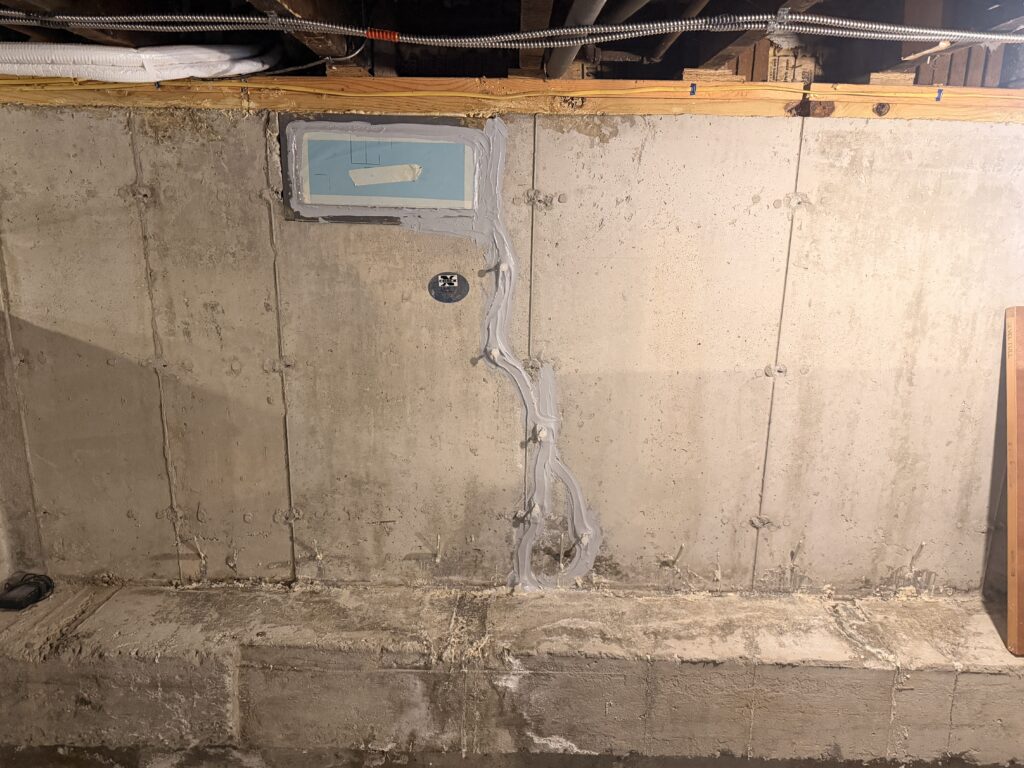
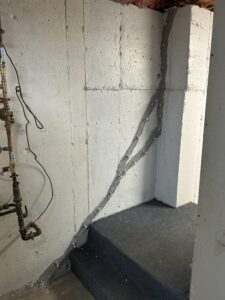 Discovering a crack in your poured concrete basement wall can be alarming. In New England, where high water tables, expansive soils, and severe freeze-thaw cycles constantly stress residential foundations, concrete cracking is common. Fortunately, excavating your lawn to fix a leaking or settling foundation is rarely necessary.
Modern foundation repair relies on chemical injection—a process that seals cracks from the inside out. However, when researching injection methods, homeowners quickly encounter two primary materials: epoxy and polyurethane. While both resins are injected under pressure to fill the full depth of a concrete wall, they serve fundamentally different structural and waterproofing purposes. Understanding the differences between these materials ensures your foundation gets the right fix.
The Science of Chemical Concrete Injection
Before comparing materials, it helps to understand how concrete crack injection works. Rather than smearing a patch over the interior surface of the wall, professional technicians drill injection ports into or along the crack line. They then inject a liquid resin under controlled pressure, forcing it through the wall from the interior face to the exterior soil line.
Why Surface Patches Fail
Hardware store surface repairs using hydraulic cement or silicone caulk only cover the front face of the crack. They leave the internal 8-to-10-inch core cavity of the concrete wall completely empty. External hydrostatic water pressure eventually pushes right past these surface patches, trapping moisture inside the wall and worsening concrete degradation over time.
Epoxy Resin Injection: Structural Strength Restorer
Epoxy injection is an ultra-strong structural repair method designed to restore the original integrity of broken poured concrete.
When to Use Epoxy
Epoxy is the industry standard for dry, load-bearing cracks where structural movement has ceased. If a settlement crack threatens
a foundation wall’s load capacity, high-strength epoxy welds the concrete back together.
Key Characteristics of Structural Epoxy
 Extreme Tensile & Compressive Strength: Cured structural epoxy bonds to concrete with a tensile strength exceeding 5,000 PSI—making the cured joint stronger than the original concrete wall itself.
- Low Viscosity & Deep Penetration: Epoxy liquids are formulated to flow into microscopic hairline cracks, completely saturating internal pores before hardening.
- Rigid Curing Profile: Epoxy cures into a solid, rigid plastic weld. Because of this rigidity, the wall must be completely dry during installation; moisture prevents epoxy from properly bonding to concrete pores.
 Extreme Tensile & Compressive Strength: Cured structural epoxy bonds to concrete with a tensile strength exceeding 5,000 PSI—making the cured joint stronger than the original concrete wall itself.
Polyurethane Foam Injection: Flexible Water-Stop Specialist
Polyurethane injection is a high-expansion, elastomeric waterproofing resin engineered specifically to stop active groundwater leaks and accommodate subtle building movements.
When to Use Polyurethane
Polyurethane is ideal for non-structural cracks that actively leak water, expansion joints, pipe penetrations, and walls subject to ongoing seasonal temperature shifts.
Key Characteristics of Hydrophobic Polyurethane
- Rapid Water Reaction & Expansion: Hydrophobic polyurethane reacts instantly when it contacts water, expanding up to 20 times its original liquid volume to fill wide voids and hidden cavities within the wall.
- Elastomeric Flexibility: Unlike rigid epoxy, polyurethane cures into a dense, rubber-like foam. This flexibility lets the material expand and contract naturally with New England’s freeze-thaw cycles without losing its mechanical bond.
- Works in Active Leaks: Because water acts as the chemical catalyst for polyurethane expansion, technicians can inject it directly into active water streams during heavy rainstorms to stop leaks immediately.
Direct Comparison: Epoxy vs. Polyurethane Matrix
Selecting the right resin depends on whether your primary concern is structural stability or active water mitigation:
| Feature / Performance Metric | Structural Epoxy Resin | Hydrophobic Polyurethane |
|---|---|---|
| Primary Purpose | Restoring structural load capacity | Waterproofing & leak mitigation |
| Material Behavior | Cures into a rigid structural weld | Expands 20x into flexible rubber foam |
| Active Water Suitability | Poor (Requires completely dry crack) | Excellent (Requires water to react) |
| Movement Accommodation | Rigid (No thermal movement flexibility) | Flexible (Absorbs freeze-thaw movement) |
| Curing Time | Slow (3 to 24 hours depending on temp) | Rapid (Expands & seals in minutes) |
Frequently Asked Questions (FAQ)
Q1: Can epoxy injection stop an active water leak in a basement wall?
A: No. Structural epoxy requires a clean, dry concrete surface to achieve a chemical bond. If water is actively trickling through the crack, use hydrophobic polyurethane to react with the moisture and seal the leak under pressure.
Q2: Does foundation crack injection void home warranties or require exterior digging?
A: No. Professionals perform injection 100% from inside your basement without excavating your lawn, flowerbeds, or landscaping. Reputable foundation specialists back their injection work with long-term warranties (such as Crack-X’s 10-year transferable guarantee).
Q3: How much does professional concrete crack injection cost in New England?
A: Professional single-crack injections generally range from $450 to $950 depending on the length of the crack, accessibility, wall thickness, and material volume required.
Get the Right Injection Repair for Your Foundation
Not sure whether your basement wall requires structural epoxy bonding or flexible polyurethane waterproofing? Don’t leave your foundation to guesswork. Contact Crack-X today for a fast photo evaluation or on-site inspection anywhere in Massachusetts, New Hampshire, Maine, Connecticut, or Rhode Island.