
 MORE LOCATIONS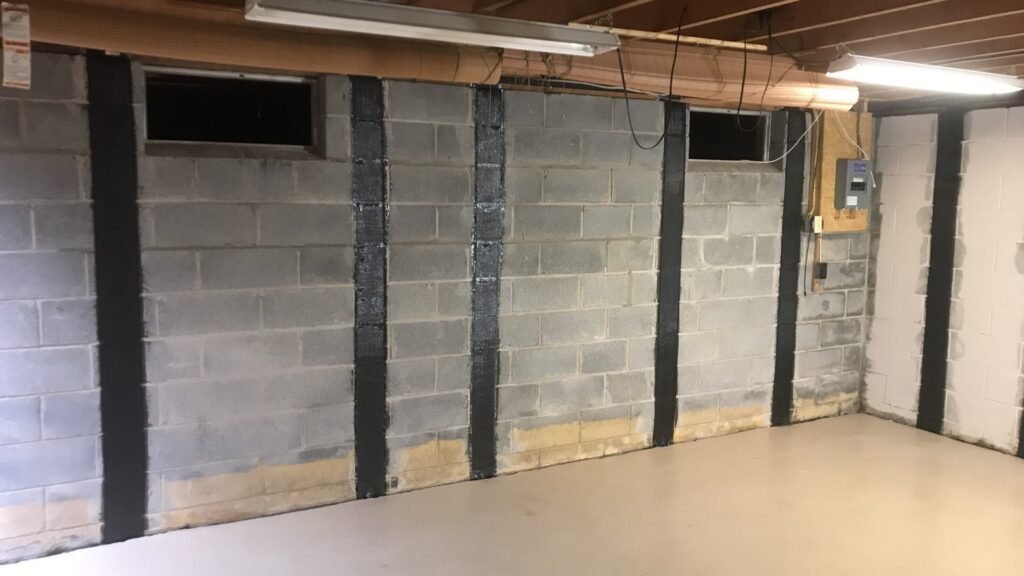
Foundation problems can cause significant structural damage, so understanding proven foundation repair methods is essential. This guide examines techniques and solutions that promote long-term basement and foundation stability. Homeowners commonly encounter cracks, water intrusion, and settling that threaten structural integrity. Learning effective repair options enables informed decisions to protect your investment. We cover professional inspections, waterproofing solutions , repair techniques, preventative measures, and key considerations for effective repairs.
Professional Inspection
Regular assessments by foundation specialists are essential to maintain your home’s structural integrity. Professional inspections detect issues early, prevent minor problems from escalating, and identify root causes so repairs address the source, not just symptoms. Qualified inspectors use advanced tools to evaluate the foundation and recommend targeted solutions, reducing long-term repair costs and giving homeowners confidence that the foundation is secure.
Waterproofing Solutions
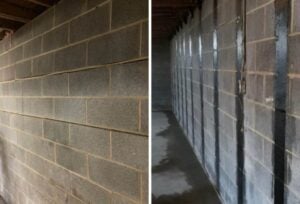 Waterproofing protects foundations from moisture-related damage. Several methods create barriers against water intrusion and extend a foundation’s service life. Here are common waterproofing solutions:
- Waterproofing Membranes : Applied to the exterior foundation, these membranes form a durable barrier that prevents water from penetrating the structure.
- Sump Pumps : Installed to remove water that accumulates below grade, sump pumps help keep basements dry and prevent flooding.
- Interior Drainage Systems : These systems collect water that enters the basement and route it to a sump for removal, effectively managing water intrusion.
Implementing these measures lowers the chance of water-related foundation damage.
Effective waterproofing depends on a thorough assessment of groundwater dynamics.
Groundwater Assessment for Basement Waterproofing
Assessment of groundwater is required to estimate likely flow rates into external or internal (cavity) basement drains. Professional indemnity insurers and building guidance: Ground water assessment and the design of basement waterproofing, 2023
Foundation Repair Methods
Several repair methods address different types of foundation damage. The most effective foundation repair techniques include:
- Epoxy Injection : This method fills and bonds small cracks, restoring structural integrity and preventing further deterioration.
- Polyurethane Foam Injection : Expanding to fill larger voids, this technique blocks active leaks and helps stabilize the foundation.
- Underpinning : Used when deeper support is required, underpinning adds stability for settling foundations.
These targeted techniques address specific problems to keep your home safe and stable.
Research supports the effectiveness of techniques such as epoxy injection for concrete crack repair.
Epoxy Injection for Concrete Crack Repair
In 2015, she worked with Opus consultants in Blenheim to study epoxy injection for concrete crack repair in damaged structures.
Evaluation of epoxy injection method for concrete crack repair, H Askarinejad, 2015
| Method | Description | Cost Estimate |
|---|---|---|
| Epoxy Injection | Fills and bonds small cracks, restoring structural integrity | $300 – $800 |
| Polyurethane Foam Injection | Expands to fill larger gaps and block active leaks | $500 – $1,500 |
| Underpinning | Provides deeper support for settling foundations | $1,000 – $4,000 |
Understanding the benefits and limits of each method helps homeowners choose the most appropriate repair for their situation.
Preventative Measures
Preventing foundation problems is as important as repairing them. Key preventative measures include:
- Maintain Proper Drainage : Ensure that water drains away from your foundation to prevent moisture buildup.
- Inspect for New Cracks or Moisture : Regularly check your foundation for signs of new cracks or water intrusion.
- Ensure Landscaping Slopes Away from the Foundation : Proper landscaping directs water away from your home, reducing the risk of foundation damage.
Simple preventative steps can markedly reduce the risk of future foundation problems.
Considerations for Effective Repairs
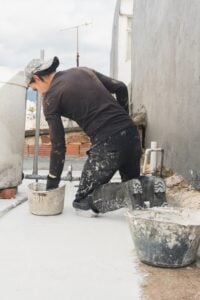 When selecting foundation repair methods , consider several factors to ensure effective results. Key considerations include:
- Choose the Right Repair Method Based on Damage : Different types of damage require specific techniques, so assess the situation accurately before proceeding.
- Use Quality Materials : Durable, appropriate materials increase the longevity and effectiveness of repairs.
- Ensure Repairs are Performed by Qualified Professionals : Experienced contractors help ensure repairs are completed safely and correctly.
Considering these factors enables homeowners to make informed decisions and achieve successful repairs.
Frequently Asked Questions
What are the signs that my foundation needs repair?
Visible cracks in walls or floors, doors or windows that stick, uneven or sloping floors, water intrusion in basements or crawl spaces, and gaps between walls and ceilings can indicate foundation issues. Consult a foundation specialist for a thorough inspection if you observe these signs to prevent further damage.
How often should I have my foundation inspected?
Have your foundation inspected at least once a year and after major weather events such as heavy rainfall or drought that affect soil stability. Regular inspections identify issues early, allowing timely repairs and reducing long-term costs.
Can I perform foundation repairs myself?
Homeowners can undertake minor tasks, such as filling small cracks, but most foundation repairs require professional expertise. Complex procedures like underpinning or large-scale waterproofing can cause further damage if executed improperly. Engaging qualified professionals ensures repairs are done safely and with appropriate materials for the specific issue.
What is the average cost of foundation repair?
Repair costs vary by method and extent of damage. Typical ranges are $300 to $4,000. For example, epoxy injection commonly costs $300–$800, while underpinning can range from $1,000–$4,000. Obtain multiple quotes from reputable contractors to determine the specific cost for your repair.
How long do foundation repairs typically last?
Repair longevity depends on the chosen method, material quality, and maintenance. Well-executed repairs generally last from 5 to 20 years or longer. Regular maintenance, such as ensuring proper drainage and monitoring for new cracks, can extend service life. Consult a foundation specialist for an expected lifespan of a specific method.
What preventative measures can I take to protect my foundation?
Protect your foundation by ensuring water drains away from the house, inspecting regularly for new cracks or moisture, and maintaining landscaping that slopes away from the foundation. Install gutters and downspouts to direct rainwater away. These measures reduce the risk of damage and help preserve your home’s structure.
Conclusion
Understanding effective foundation repair methods is essential to maintain your home’s structural integrity. Professional inspections, proven waterproofing solutions, and targeted repair techniques help prevent costly damage and support long-term stability. Proactive measures protect your investment and improve the safety and comfort of your living space. Explore our expert services to safeguard your foundation and secure peace of mind.