
 MORE LOCATIONS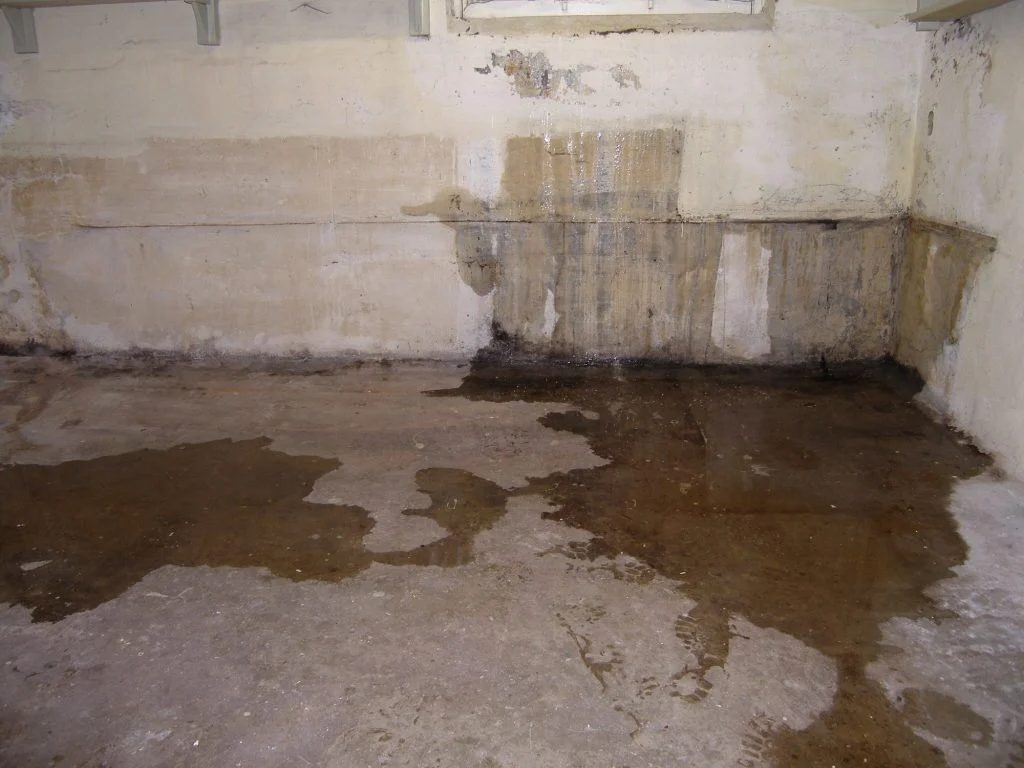
Affordable Basement Leakage Repair Solutions for Homeowners in New England
By Doug Chirichiello, CrackX
Basement leakage is a widespread problem for homeowners throughout New England, leading not only to property damage but also to potential health risks caused by mold and dampness. Understanding why basement leaks occur is essential before considering repair options. This comprehensive guide explores the underlying causes of basement leaks, how to accurately identify sources of water intrusion, contrasts between temporary and permanent repair methods, and practical maintenance steps. Armed with this knowledge, homeowners can make informed decisions to protect their homes with cost-effective, lasting solutions.
The Real Causes of Basement Leakage in New England Homes
Basement leaks rarely result from a single issue. In the New England region, they often stem from several interconnected factors, including:
 Hydrostatic Pressure: Seasonal heavy rains and snowmelt saturate the soil around foundations. This saturated soil exerts hydrostatic pressure, forcing water through cracks or porous materials in foundation walls and floors.
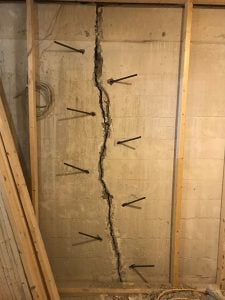
- Foundation Cracks: Cracks in concrete or masonry walls create direct pathways for water intrusion. These fractures may arise from settling, shrinkage, or freeze-thaw cycles common in New England winters.
- Wall-Floor Joints: The joint where basement walls meet the floor is often a vulnerable point for leaks if not properly sealed.
- Window Wells: Improperly drained or installed window wells can accumulate water, directing it toward basement windows where seepage can occur.
- Drainage Failures and Grading Issues: Soil grading that slopes toward the home rather than away causes water to pool near the foundation. Clogged gutters and downspouts exacerbate this by allowing water to collect around the base.
- Freeze-Thaw Cycles: The frequent freezing and thawing of water in soil and building materials cause expansion and contraction, which deteriorates foundation integrity over time, leading to leaks.
Recognizing these causes helps homeowners focus repair efforts on true underlying issues rather than surface symptoms.
Helping Homeowners Identify the Actual Source of Water Intrusion
Many homeowners mistakenly assume basement moisture comes solely from leaks visible on walls or floors. In reality, water can follow complex paths, entering through unseen cracks or joints. To accurately detect sources, watch for:
- Damp or discolored areas on walls or floors, often inconsistent in pattern.
- Efflorescence: white powdery mineral deposits indicating water seepage.
- Musty odors or increased humidity levels, signaling moisture buildup.
- Standing water after storms, particularly near window wells or door thresholds.
- Cracks or gaps in basement walls, floors, or around pipes.
Hiring a professional assessment from Crack-X of New England can provide comprehensive diagnostics using tools like moisture meters and infrared imaging to pinpoint issues.
Why Ignoring Root Causes Turns Inexpensive Repairs into Costly Problems
Temporary fixes such as patching cracks or applying waterproof paint may seem budget-friendly but often fail to address hydrostatic pressure or drainage failures. Without resolving the root cause, leaks tend to recur or worsen, leading to:
- Repeated repair costs
- Expanded structural damage
- Mold growth and health concerns
- Decreased home value
Understanding the difference between short-term and long-term solutions empowers homeowners to invest wisely in lasting protection.
Affordable Repair Solutions and When to Use Them
Homeowners should select repair methods suited to their leak sources and home conditions. Below is a comparison of common options:
For New England homes, combining methods often yields the best results, such as pairing drainage fixes with crack injections or sump pump systems.
Practical Seasonal Maintenance Tips for Homeowners
Regular maintenance not only prevents leaks but can extend the lifespan of repairs. Recommended actions include:
- In spring, inspect gutters, downspouts, and clean spring debris to ensure effective water diversion.
- During summer, check grading and landscaping to maintain proper slope away from the foundation.
- In fall, clear leaves from gutters and consider a professional basement inspection before winter.
- In winter, monitor for ice dams and ensure sump pump functionality if applicable.
- Conduct annual professional inspections and address emerging issues promptly.
 Realistic Examples Homeowners Commonly Experience
 Realistic Examples Homeowners Commonly Experience
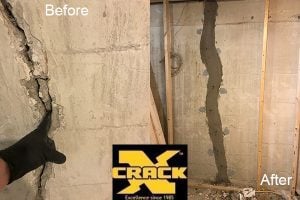
In New Hampshire, Southern Maine, and the Merrimack Valley, homeowners often face basement seepage after spring snowmelt floods due to saturated soil increasing hydrostatic pressure. Older homes with stone or brick foundations frequently have cracks that widen each freeze-thaw cycle, leading to recurring leaks despite sealant attempts. Window wells can collect debris and ice, funneling water into basements if drains are blocked. Proper drainage fixes paired with Crack-X’s professional waterproofing often resolve these problems permanently.
Costs
Understanding repair costs aids financial planning. The following table lists typical services with price ranges reflecting New England market conditions:
For more extensive waterproofing, Crack-X of New England offers customized solutions backed by a 10-year warranty and fast response times.
Available Services
Crack-X of New England specializes in foundation repair and basement waterproofing tailored to the region’s specific challenges. Their experienced team focuses on comprehensive diagnostics and durable repairs that address both symptoms and root causes.
Proactive Maintenance
Routine upkeep significantly reduces future basement leakage risks. Homeowners should schedule annual professional inspections, routinely clean gutters and drainage systems, maintain landscaping to ensure positive grading, and monitor for any early signs of moisture intrusion. These measures help prevent costly damages and extend the integrity of prior repairs.
Combined with Crack-X’s expertise and targeted service options, proactive maintenance provides homeowners peace of mind and preserves property value.
Frequently Asked Questions
1. What are the long-term effects of basement leakage if not addressed?
Ignoring basement leakage can progressively weaken foundation walls through water erosion and freeze-thaw deterioration. This leads to structural instability, costly repairs, and extensive mold growth, which poses health risks including respiratory issues and allergic reactions. Water damage also invites pests and degrades indoor air quality, negatively impacting occupants’ well-being.
2. How can I identify if my basement needs repair?
Signs include persistent dampness, visible cracks or bulges in walls, unexplained water stains, efflorescence, musty odors, and occasional standing water. Monitoring humidity and performing inspections, especially after heavy rains or snowmelt, can help spot early problems before severe damage occurs.
3. Are DIY waterproofing solutions effective?
DIY products like sealants or waterproof paints offer temporary relief but typically do not address underlying water pressure or structural issues. Without professional evaluation, homeowners risk incomplete repairs that worsen over time, leading to higher cumulative costs. Expert interventions provide tailored solutions with proven durability and warranty protection.
4. What is the best way to maintain my basement to prevent leaks?
Maintaining clean gutters and downspouts ensures proper water diversion. Verify that downspouts discharge water at least five feet from the foundation. Keep soil grading sloped away from the house and inspect basements regularly for cracks or moisture signs. Seasonal professional inspections and timely repairs are crucial for sustained protection.
5. How does landscaping affect basement drainage?
The grading and vegetation near your home influence water flow. Proper landscaping directs water away from foundation walls, reducing pooling and infiltration risk. Avoid dense or moisture-loving plants near the foundation, and maintain gutters to prevent overflow onto soil adjacent to the basement.
6. Can I finance my basement repair projects?
Yes. Many contractors, including Crack-X of New England, offer financing plans such as low-interest loans, payment schedules, or promotional offers. Discuss financing options during consultation to select plans that suit your budget and repair needs.
7. How often should I schedule professional inspections for my basement?
Annual professional inspections are recommended, with additional evaluations before and after New England’s harsh winters or major storms. Frequent assessments help identify emerging issues early, enabling timely and cost-effective repairs.
Conclusion
Understanding the complex causes of basement leakage is the key to effective and affordable repairs. By accurately diagnosing issues such as hydrostatic pressure, foundation cracks, and drainage failures, homeowners can avoid costly repeat work and safeguard their properties. Crack-X of New England combines over a decade of expertise with fast response and a 10-year warranty to deliver trusted, long-lasting basement waterproofing and foundation repair solutions. Coupled with thoughtful seasonal maintenance, these efforts protect homes from water damage and promote healthy living environments. Don’t let leaks go unchecked — explore Crack-X’s range of specialized basement waterproofing, foundation crack repair, and crawl space repair services today, or contact for a professional consultation tailored to your home’s needs.