
 MORE LOCATIONS
 New England winters are notoriously harsh on home exteriors, but the most severe damage often occurs below ground level where you can’t see it. As temperatures drop below freezing across Massachusetts, New Hampshire, Maine, Connecticut, and Rhode Island, the soil surrounding your foundation undergoes intense moisture shifts. This relentless cycle of freezing, expanding, thawing, and contracting places immense physical stress on poured concrete and masonry basements.
Understanding how seasonal weather changes affect your foundation wall—and taking targeted preventive measures before temperatures plummet—can save you thousands of dollars in structural repairs and water-damage remediation. This guide explains the science behind winter foundation damage and outlines actionable steps to keep your home dry and structurally sound through spring.
How New England Winters Attack Concrete Foundations
Concrete is a durable building material, but it is naturally porous. Small pockets and micro-cracks inside concrete walls absorb subsurface water from saturated soil. When winter arrives, two primary forces begin to compromise structural integrity:
1. The 9% Water Expansion Rule
When water freezes into ice, it expands by approximately 9% in volume. Water trapped inside tiny hairline fissures or porous concrete block mortar exerts up to 30,000 pounds per square inch (PSI) of expansive force against the surrounding material. Over multiple freeze-thaw cycles, this lateral force scales off surface layers (a process known as spalling) and forces small hairline cracks to open wider.
2. Frost Heave Dynamics
Frost heave occurs when moisture in the upper soil layers freezes into ice lenses. As these ice lenses grow, they push the frozen ground upward and inward. Shallow footings, exterior bulkhead entryways, and uninsulated garage slabs are particularly vulnerable to frost heave, which can lift concrete sections and break foundational mortar bonds.
The Dangerous Cycle: Winter Freezing to Spring Melting
Foundation damage rarely happens in a single day; it builds throughout the cold season before revealing itself during the spring thaw.
Snowpack Accumulation against Foundation Walls
Heavy snow drifts piling up against above-grade foundation walls act like a thermal blanket, trapping ambient warmth from your basement against cold outdoor air. During midday sun, this snow melts against the concrete wall face, filling exposed micropores with moisture that refreezes as evening temperatures drop below zero. This continuous melting and refreezing degrades surface sealant coatings and exposes raw concrete.
The Spring Hydrostatic Surge
The most dangerous moment for a foundation occurs when several feet of winter snowpack melt rapidly alongside heavy spring rainstorms. Because deep ground layers remain frozen, water cannot drain downward into the water table. Instead, thousands of gallons of surface runoff channel directly toward your foundation wall, creating intense hydrostatic pressure that forces water through any micro-cracks created during the winter freeze.
5 Essential Pre-Winter Maintenance Steps
Proactive maintenance is your first line of defense against seasonal groundwater intrusion. Homeowners should complete these five steps before the first hard frost:
- 1. Disconnect and Drain Exterior Hose Bibs: Trapped water inside exterior sillcocks can freeze back into interior basement plumbing, causing pipe bursts and wall saturation. Install frost-free spigots and shut off interior supply valves.

- 2. Extend Downspouts Past the Frost Line: Ensure gutter downspouts discharge roof runoff at least 6 to 10 feet away from your foundation perimeter. Directing water away from the foundation prevents soil saturation near the wall line.
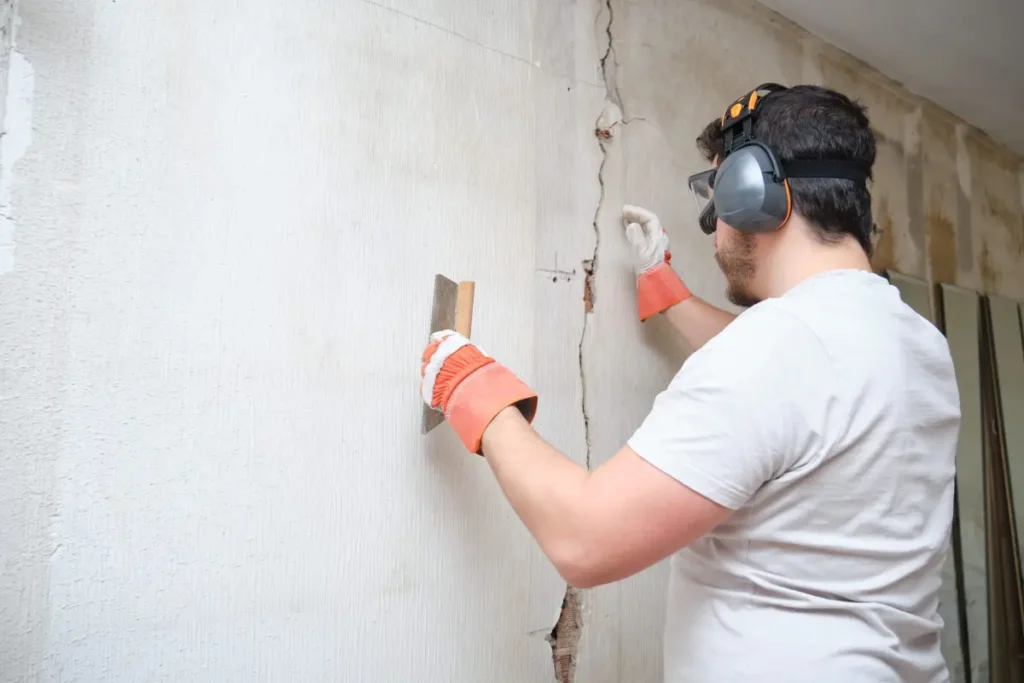
- 3. Seal Foundation Micro-Cracks Before Freezing: Inspect exterior and interior basement walls for hairline cracks. Sealing exposed cracks before sub-zero temperatures arrive prevents trapped water from freezing and widening the fissure.
- 4. Clear Window Wells & Bulkhead Drains: Remove fallen autumn leaves, pine needles, and debris from basement window wells and bulkhead stair bases to prevent ice dams from blocking drainage paths.
- 5. Regrade Low Spots Around the Foundation: Inspect soil grading around your home. Fill in low depressions near foundation walls so melting winter snow drains naturally away from the house rather than pooling against the concrete.

Frequently Asked Questions (FAQ)
Q1: Can foundation crack injection be done during cold New England winters?
A: Yes. Because professional resin injection (such as hydrophobic polyurethane or structural epoxy) is performed entirely inside your heated basement, indoor ambient temperatures allow materials to cure properly year-round, regardless of freezing outside conditions.
Q2: Why does my basement only leak during spring snowmelts?
A: Spring snowmelt combines with seasonal rain while deep soil layers remain frozen. Because it can’t drain into the ground, surface runoff builds extreme hydrostatic pressure against your basement walls, forcing water through unsealed wall cracks and floor joints.
Q3: How do I know if winter weather has damaged my concrete basement walls?
A: Look for signs of concrete spalling (fine gray powder or flaking concrete along the floor line), new vertical hairline cracks, damp spots along block mortar joints, or white powdery mineral deposits (efflorescence) left behind by evaporating groundwater.
Prepare Your Foundation Before the Heavy Frost
Don’t let freezing New England temperatures turn minor hairline cracks into expensive structural repairs. Contact Crack-X today to schedule a pre-winter foundation inspection and seal your basement before the snow arrives across Massachusetts, New Hampshire, Maine, Connecticut, or Rhode Island.