
 MORE LOCATIONS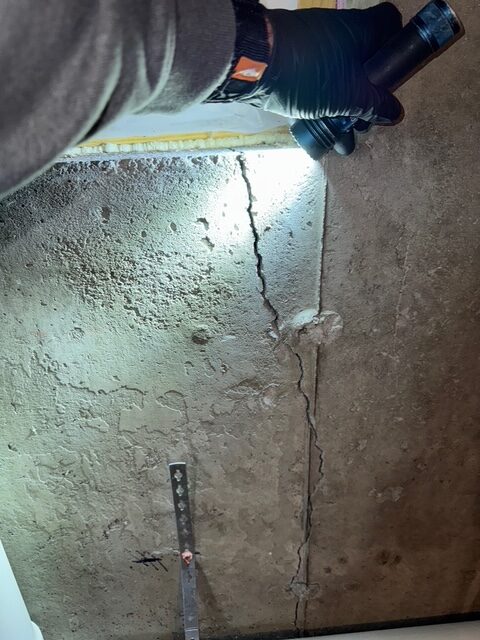
Foundation cracks fall into distinct categories: horizontal cracks signal severe structural pressure, vertical cracks indicate normal settling, and diagonal cracks reveal uneven foundation stress. CrackX, based in Manchester, New Hampshire, employs professionals who classify crack types by width, direction, and pattern to determine repair urgency and structural risk.
Foundation cracks fall into 10 distinct categories—horizontal, stair-step, hairline, vertical, diagonal, shrinkage, slab, non-structural, wet non-structural, and structural—each signaling different causes. CrackX, based in Manchester, New Hampshire, employs specialists trained to accurately identify which type affects your home.
Foundation cracks fall into distinct categories: horizontal, vertical, stair-step, diagonal, hairline, and shrinkage cracks, each signaling different causes and severity levels. Horizontal cracks often indicate structural pressure, while hairline and shrinkage cracks typically remain cosmetic. Basement floors, poured at 4 inches or less, commonly develop cracks too, making professional evaluation essential before deciding on repair methods.
Key Takeaways
- Foundation cracks fall into 10 common types, including horizontal, vertical, stair step, and hairline varieties.
- Horizontal cracks indicate serious structural problems and require immediate professional inspection and repair.
- Hairline cracks remain minor surface issues but warrant monitoring for expansion or water infiltration signs.
- Stair step cracks in block basements signal foundation settlement and demand urgent structural assessment.
What Are the Most Common Foundation Crack Types?
Vertical cracks rank among the most frequent foundation issues homeowners encounter. Horizontal cracks and floor cracks each carry their own distinct causes. A property manager who understands foundation crack types explained in plain terms can catch warning signs before repair costs escalate. Missing these distinctions costs homeowners real money. A crack dismissed as cosmetic can mask a structural problem quietly worsening beneath a floor or behind a wall.
Foundation cracks generally fall into a few recognizable categories:
| Crack Type | Typical Cause | Common Location |
|---|---|---|
| Vertical | Normal settling, one of the most common patterns | Foundation walls |
| Horizontal | Unbalanced soil pressure and hydrostatic water pressure | Basement walls |
| Floor cracks | Thin concrete pours and control joint placement | Basement slab |
Why do basement floors crack more often than walls?
Basement floors crack frequently because most slabs get poured at a thickness of four inches or less. That thinner pour makes the concrete more susceptible to cracking under normal shifting and settling. Builders often cut control joints into the slab ahead of time, directing where cracks will form since some cracking is expected in nearly every basement floor.
 What causes horizontal cracks in a foundation wall?
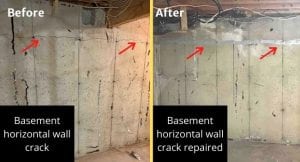 What causes horizontal cracks in a foundation wall?
Horizontal cracks develop when unbalanced soil pushes against a foundation wall combined with hydrostatic water pressure building up outside it. This combination stresses the wall from the exterior. The crack pattern often signals more serious structural strain than a vertical crack. Homeowners noticing horizontal cracking should treat the finding as a priority for professional evaluation rather than a wait-and-see item.
Property managers reviewing multiple buildings benefit from learning these patterns early. Recognizing whether a crack traces back to a thin slab, soil pressure, or ordinary settling shapes the right next step and prevents unnecessary alarm or costly delay.
Why Do Basement Floors and Walls Crack?
Improper drainage causes most wet basement floors and drives the cracking that follows. Water pressure, not age alone, breaks down concrete over time. Homes lacking a weeping tile system, a drainage pipe that channels groundwater away from the structure, face the greatest risk. Without this system, water gathers in the surrounding soil and pushes against basement walls and floors from the outside in.
That pressure has nowhere to go, so it finds the weakest point in the concrete. Cracks form where the material can no longer resist the load.
Why does drainage matter so much for foundation health?
Drainage determines whether groundwater moves away from the foundation or collects against it. A property with a functioning weeping tile system routes water safely around the structure. One without it invites standing moisture that steadily increases pressure on walls and floors, setting the stage for cracks.
What happens if floor cracks go unrepaired?
Left alone, floor cracks become an entry point for moisture. Water seeping through a crack penetrates flooring materials and often produces a musty odor throughout a finished basement. This concern grows serious for property owners planning to finish a basement, especially when carpet goes down over the slab.
Homeowners and property managers preparing to renovate lower-level living space should treat crack repair as a required step, not an optional upgrade. Consider what unresolved drainage and cracking issues can cause:
- Persistent musty odors trapped beneath carpet or flooring
- Ongoing moisture intrusion that worsens with each rain event
- Structural weakening as pressure against walls continues unchecked
Addressing drainage first, then repairing existing cracks, protects both the foundation and whatever finished space sits above it.
Which Foundation Cracks Signal a Structural Problem?
Horizontal cracks and diagonal cracks carry the highest risk among foundation crack types explained by inspectors. Both patterns point to pressure or uneven settlement rather than ordinary shrinkage. Vertical cracks, by contrast, tend to be less alarming. A homeowner who spots a horizontal line across a basement wall should treat it as a warning sign rather than a cosmetic flaw.
Horizontal cracking often means the foundation wall has begun bowing inward. Soil pressure from outside pushes the wall past its limit. Water frequently follows the same path, leaking directly into the basement. Left unaddressed, this combination of bowing and moisture intrusion weakens the wall further and raises repair costs over time.
How can a homeowner tell if a crack is getting worse?
Movement is the key signal. A crack that grows wider, spreads in length, or appears suddenly is more likely to reflect active foundation shifting than normal aging. Property managers and home buyers should track any crack over several weeks. Steady change means a professional evaluation is not optional.
| Crack Behavior | Likely Concern Level |
|---|---|
| Stable, hairline, vertical | Low |
| Widening or lengthening | High |
| Sudden appearance | High |
| Horizontal with bowing | High |
Does epoxy injection actually fix a structural crack?
Yes, when applied correctly. Epoxy injection repair closes the crack completely and restores the wall’s structural integrity. The process creates a bond as strong. Durable as the original concrete, giving homeowners a lasting, weld-like repair rather than a temporary patch.
Property managers evaluating multiple cracks should prioritize horizontal and diagonal patterns first. Waiting rarely helps; foundation movement tends to accelerate once it starts.
Is Every Foundation Crack Cause for Concern?
No, foundation cracks do not automatically signal a structural emergency. Many result from normal settling as a home ages and the soil beneath it shifts. Foundation crack types explained by a qualified inspector reveal which hairline splits are cosmetic and which point toward deeper trouble. The danger lies in assuming every crack falls into the harmless category without a professional review.
Property managers and homeowners should watch for warning signs that extend beyond the crack itself. A foundation problem often announces itself through other clues around the house first.
What other signs suggest a foundation issue besides visible cracks?
Sticking doors and windows that suddenly won’t close properly deserve attention. Gaps forming near ceilings and a chimney that leans away from the house are additional red flags. These symptoms, paired with a crack, suggest movement is happening beneath the structure rather than simple aging.
Can a small crack still cause moisture damage?
Yes. Even a floor crack fitted with a moisture-resistant pad allows water to seep through and reach carpet fibers underneath. That trapped moisture produces a musty, unpleasant odor long before any structural risk becomes obvious. Property managers overseeing finished basements should treat this as a maintenance priority, not a cosmetic afterthought.
For decades, Crack-X has evaluated cracks across New England homes and commercial buildings, drawing on a résumé built through years of residential and commercial repair and waterproofing work. That depth of field experience allows the company’s inspectors to separate ordinary settling from cracks that demand prompt intervention, giving homeowners a clear, confident path forward.
How Are Foundation Cracks Professionally Repaired?
Professional crack repair depends on injecting bonding materials directly into the damaged concrete from inside the foundation wall. Crack-X applies epoxy and urethane repair methods using specially formulated materials. Engineered injection techniques that bond crack surfaces from the interior. Skipping professional repair leaves a home exposed to continued water intrusion, expanding cracks, and structural weakening that grows costlier to fix each year.
 Epoxy and urethane serve different purposes. Epoxy restores structural strength to a wall by creating a rigid bond. Urethane expands to seal cracks that continue to leak, making it a common choice for active water infiltration. Choosing between them depends on whether a crack is structural, active with moisture, or both.
Beyond crack injection, a full foundation repair plan often covers more ground.
- Foundation floor crack repair
- Foundation wall crack repair
- Basement waterproofing to manage ongoing moisture
Crack-X, based in Manchester, New Hampshire, provides these services to properties across New England, giving property managers and homeowners one point of contact for diagnosis and repair.
What Determines the Cost of Foundation Crack Repair?
Cost swings widely because it depends on the repair method chosen and how extensive the damage has become. A single hairline crack sealed with urethane costs far less than a structural repair addressing a wide, spreading fracture. Homeowners planning a budget should expect pricing to reflect both the scope of work and the materials required.
Can a Foundation Crack Be Repaired Without Full Excavation?
Interior injection methods avoid the excavation, landscaping damage, and extended timelines that exterior repairs often require. Epoxy and urethane injections seal the crack from inside the basement, restoring strength or blocking water without digging around the foundation perimeter. This approach keeps disruption to a home and property to a minimum.