
 MORE LOCATIONS
Basement repair costs in New England vary widely depending on damage severity and the repair method used. Foundation crack injections and full waterproofing systems each carry their own pricing considerations, with costs increasing alongside project scope and complexity. Companies like CrackX, based in Manchester, New Hampshire, provide free assessments before quoting exact project pricing.
Basement repair costs across New England vary by damage type. Method, with single crack injection repairs typically representing the lower end of the pricing spectrum. Multiple crack repairs, structural work, and waterproofing raise totals further. Freeze-thaw cycles and high groundwater common throughout the region often increase repair complexity, making professional inspection essential for accurate, property-specific estimates.
Key Takeaways
- Foundation repair costs in Connecticut, Massachusetts, and Maine vary significantly based on specific structural damage and site conditions.
- Basement waterproofing represents a critical investment for New England homeowners facing wet weather and fluctuating water tables.
- Bowing walls, settling floors, and horizontal cracks indicate active foundation stress requiring immediate professional structural repair systems.
- CrackX, located in Manchester, New Hampshire, employs a team of experienced specialists serving the New England foundation repair market.
How Much Does Basement Repair Cost in New England?
 Basement repair costs in New England hinge on three variables: the repair method chosen, the extent of existing damage, and how quickly a homeowner addresses the problem. Foundation repair costs vary considerably depending on project scope, and New England’s climate can push many properties toward more extensive repair needs, since regional conditions accelerate deterioration faster than in milder climates. Pricing varies by project; contact Crack-X for a property-specific estimate.
Freeze-thaw cycles, high groundwater, and aging concrete all combine to stress basement floors across the region. Each factor works differently: ice expansion widens hairline cracks, saturated soil increases hydrostatic pressure, and older concrete simply loses structural resilience over decades. Together, they explain why repair needs recur more often here than in drier, warmer states.
What Factors Drive Basement Repair Costs in New England?
Repair method and damage severity drive the final price tag more than any other variable. A single hairline crack requires far less material and labor than a floor showing widespread deterioration or active water infiltration. Foundation type, soil conditions, and how quickly the issue gets caught also shift the estimate significantly.
Why Does Waiting Increase Basement Repair Costs?
Delaying repair almost always raises the final bill. Many homeowners overlook small early cracks, only to face larger structural repairs once water damage and settling take hold.
| Repair Timing | Cost Impact |
|---|---|
| Early crack repair | Lower cost; limited materials and labor |
| Delayed repair | Higher cost; additional structural work, longer project timelines |
Acting early keeps a small maintenance job from becoming a major structural expense. New England’s aging housing stock makes early inspection especially valuable for anyone noticing new cracks or seasonal seepage.
What Drives Foundation Crack Repair Costs?
Foundation crack repair pricing in Connecticut and Massachusetts hinges on crack type, severity, and location within the structure. Single crack injection repairs typically represent a lower-cost option; contact Crack-X for specific estimates. Carbon fiber reinforcement, used to stabilize walls under stress, adds another layer of cost.
New England homes face freeze-thaw cycles and shifting clay soils that widen hairline cracks into structural liabilities. That reality shapes how contractors price a job. Why answering how much does basement repair cost requires looking at more than one line item.
| Repair Type | Typical Cost | Notes |
|---|---|---|
| Single crack injection | Pricing varies by project scope | Epoxy or urethane sealant |
| Carbon fiber reinforcement | Pricing varies by project scope | Stabilizes bowing or stressed walls |
| Multiple crack repair (2–3 cracks) | Custom quote | Significant multi-crack discounts often apply |
Does Repairing Multiple Cracks Cost More?
Not necessarily on a per-crack basis. Homeowners addressing two or three cracks in a single visit often qualify for meaningful multi-crack discounts rather than paying full price for each repair separately. A contractor visiting a Hartford or Worcester basement, for example, can bundle labor and materials into one custom quote instead of billing each crack individually.
Why Do Floor Cracks Need Attention Before Finishing a Basement?
Floor cracks demand repair before any flooring or carpet installation begins. Left untreated, these cracks let moisture penetrate the flooring layer, producing musty odors that spread through finished living space. Sealing floor cracks early prevents homeowners from tearing out new carpet or flooring later, saving both time and unplanned expense.
How Much Does Basement Waterproofing Cost?
Basement waterproofing project costs across Connecticut, Massachusetts, and the wider New England region vary widely depending on scope and severity. Pricing varies by project; contact Crack-X for a property-specific estimate. Final pricing depends on the size of the space, how severe the moisture problem has become, and which repair method the situation calls for. Homeowners asking how much does basement repair cost usually discover that the answer hinges less on square footage and more on the root cause of the water intrusion.
Faulty or inadequate drainage sits behind most wet basement floors in the region. Freeze-thaw cycles, heavy spring rain, and aging foundations all put extra strain on drainage systems that were never built to keep pace. When drainage fails, groundwater does not simply go away. It finds a route into the basement, and repair costs climb the longer the problem sits untreated.
What role does a weeping tile play in basement waterproofing?
A weeping tile, also called a drain tile, is an underground pipe system installed around the foundation. The system collects groundwater from the surrounding soil. Channels it away from the home before pressure builds against basement walls. Projects that involve installing or repairing this drainage layer tend to sit toward the higher end of the cost range.
Waterproofing costs generally break down by scope:
- Minor seepage control: sealing and minor drainage correction, lower end of the range
- Interior drainage systems: pipe and pump work tied to weeping tile function, mid-range pricing
- Full waterproofing solutions: comprehensive moisture control for severe or recurring flooding, upper end of the range
Delaying repairs rarely saves money for New England property owners; unresolved drainage issues tend to compound over time.
What Do Major Structural Repairs Cost?
Bowing walls, settling floors, and horizontal cracks signal active structural stress, not a cosmetic flaw. These conditions demand professional stabilization rather than a simple patch. For New England homeowners asking how much basement repair costs once damage reaches this stage, the range climbs sharply above cosmetic crack sealing. Full wall stabilization project costs vary depending on the extent of movement and the stabilization method required; contact Crack-X for a property-specific estimate.
Basement floors compound the risk. Most are poured at just 4 inches thick or less, a shallow depth that leaves them more susceptible to cracking as New England’s freeze-thaw cycles and shifting soil put pressure on the slab. A cracked floor rarely stays a small problem for long.
Why does early crack repair save money?
Addressing floor and wall cracks early protects a property against larger structural failures and ongoing moisture intrusion. Left alone, small cracks widen and invite water, mold, and further settling. Catching the problem sooner keeps a repair bill closer to routine maintenance than emergency reconstruction.
Is a bowing wall always a structural emergency?
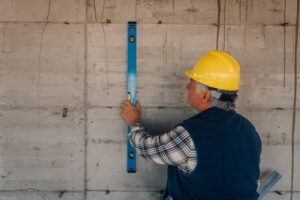
Yes. A bowing wall indicates the foundation is actively resisting soil pressure it can no longer manage alone. Waiting rarely improves the outcome and often increases both damage and repair cost.
Common signs that point toward major structural work include:
- Horizontal or stair-step cracks in foundation walls
- Walls that bow, lean, or bulge inward
- Uneven or sloping basement floors
- Doors and windows that stick or no longer close properly
Homeowners noticing any of these signs benefit from a professional inspection before costs, and risks, escalate further.
How Can Homeowners Plan Repair Costs?
Planning starts with comparing repair types side by side rather than guessing at a single number. Basement repair cost varies by method. New England homeowners benefit from reviewing typical price ranges before committing to a contractor. This comparison approach turns an overwhelming decision into a manageable checklist.
The crack itself dictates the fix, and the fix dictates the price. A hairline surface crack in a Vermont farmhouse foundation calls for a different repair than a wide, water-weeping crack in a Connecticut colonial’s basement wall. Identifying the crack type first prevents homeowners from paying for more repair than the situation actually requires. Or less than it needs.
What Repair Categories Should Homeowners Compare?
Reviewing common categories side by side helps New England homeowners budget realistically before scheduling an inspection.
- Crack injection repairs for isolated cracks
- Waterproofing systems for recurring moisture or seepage
- Structural repairs for bowing walls or settling floors
- Masonry restoration for aging concrete or block foundations
Does Timing Affect the Final Bill?
Yes. Homeowners who address foundation or basement problems early keep repair costs closer to the lower end of the range. Waiting allows small cracks to widen and moisture damage to spread into structural issues, which pushes costs upward. New England’s freeze-thaw winters make early detection especially valuable, since seasonal cycles accelerate existing cracks.
Crack-X, headquartered in Manchester, New Hampshire, serves homeowners throughout New England with inspections that identify problems before they escalate into costlier repairs.