
 MORE LOCATIONS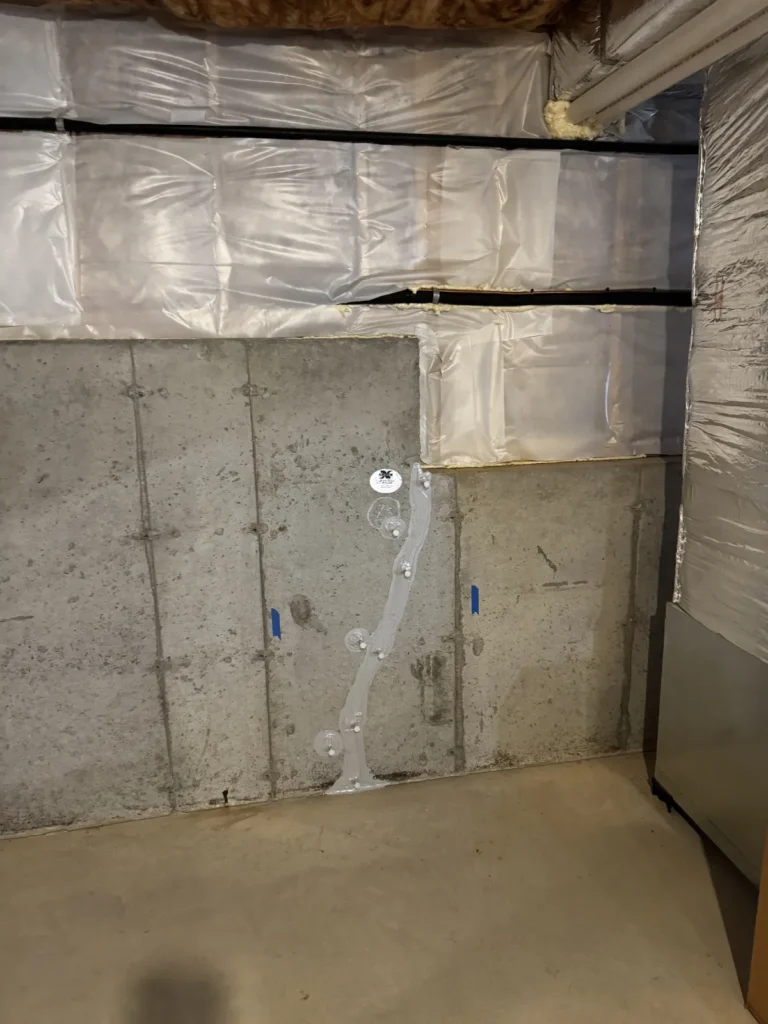
When it comes to Basement Waterproofing. Crack Repair Solutions, selection depends on crack type and severity: hairline cracks under 1/8 inch respond well to epoxy injections. Structural cracks require polyurethane foam or professional assessment. CrackX, based in Manchester, New Hampshire, who evaluate foundation damage and recommend targeted repair methods matching your basement’s specific structural needs.
Repair method selection depends on crack type and site conditions: epoxy or polyurethane injections suit narrow cracks. Underpinning, wall reinforcement, or waterproofing membranes address structural issues. Consult specialists like CrackX, a Manchester, New Hampshire firm with 2539 employees, to match the correct solution to your basement’s specific damage.
Choosing the best basement crack repair solution depends on crack type, width, and moisture presence. Epoxy injections bond structural cracks with minimal movement, while polyurethane injections seal actively leaking or shifting cracks. Homeowners should avoid silicone or masonry caulk, which only masks surface damage and allows water to become trapped behind the repair, causing efflorescence and bond failure.
Key Takeaways
- Concrete caulk provides only temporary surface-level repairs and fails to address cracks extending below the surface.
- Multiple basement crack repair methods exist, each suited to different structural conditions and severity levels.
- Ignoring basement cracks risks water damage, mold growth, and costly structural repairs to your home.
- Professional repair kits address interior crack damage properly, unlike DIY silicone or masonry caulk solutions.
What Should You Prepare Before Repairing a Crack?
Preparation determines whether a crack repair lasts for years or fails within a single season. Property owners should assess crack severity, identify moisture sources, and schedule a professional inspection before choosing any repair material. Skipping these steps often leads to bigger bills down the road. Homeowners who ignore early cracks frequently end up paying for damage that could have been avoided.
How can homeowners tell if a crack needs professional attention?

Any crack that widens, leaks, or runs along a wall rather than straight down deserves a closer look. Water entering a crack can freeze during winter months, expand, and turn a hairline flaw into a structural problem. A trained inspector distinguishes between cosmetic surface lines and cracks that signal foundation movement.
Before scheduling repair work, property owners should complete the following steps:
- Document the crack. Photograph its length, width, and location, and note whether it has grown over recent weeks.
- Check for active moisture. Look for dampness, staining, or pooling near the crack, since drainage problems around the foundation often drive water into basement floors and walls.
- Clear the surrounding area. Remove stored items, flooring, or furniture near the crack so technicians can access it fully.
- Request an inspection. A family-owned, New England-based repair company with decades of field experience can evaluate crack type and recommend the correct injection material or drainage fix.
Does drainage matter before repairing a crack?
Drainage plays a central role in long-term repair success. Faulty or missing drainage systems rank among the leading causes of wet basement floors, meaning a crack sealed without addressing water flow around the foundation may fail again.
What Causes Cracks and How Severe Are They?
Concrete thickness explains why most basement floors crack in the first place. Builders typically pour these slabs at 4 inches or less, a shallow depth that leaves less material to resist stress and settlement. That thinner profile makes floors far more susceptible to cracking than a foundation wall poured at greater depth. Age adds another layer of risk, since concrete continues to shrink and shift for years after the original pour.
New England properties face conditions that push ordinary wear into structural territory. Freeze-thaw cycles expand and contract moisture trapped in the slab, while high groundwater pushes upward from below. Aging concrete, weakened over decades of seasonal swings, has less capacity to absorb that pressure. Heavy spring rains and coastal humidity compound the problem. A long New England winter gives freeze-thaw damage repeated chances to widen an existing split.
Can a small crack really become a serious problem?
Yes. A hairline crack that looks cosmetic can become a route for water infiltration, mold growth, or structural stress once regional weather works on it. Homeowners and property managers should treat any new crack as a signal worth investigating rather than a detail to ignore.
Severity often shows up through secondary symptoms, not just the crack’s width:
- Moisture penetration into flooring materials placed over the crack
- A musty odor developing in finished or partially finished basements
- Visible dampness or staining along the crack line after rainfall
- Gradual widening of the crack over successive freeze-thaw seasons
Property managers overseeing finished basements should treat any of these signs as a reason for prompt evaluation of basement waterproofing and crack repair solutions.
Which Repair Method Fits Your Crack Type?
Crack width, depth, and moisture activity determine the correct repair method for a basement foundation crack. Property managers and homeowners who match the wrong material to the wrong crack risk repeat leaks and thousands in follow-up repairs. Four common approaches exist, each suited to a different failure pattern, and understanding the differences separates a lasting fix from a temporary patch.
Epoxy injection works best on narrow, stable, non-moving cracks. This method fills the void with a structural resin that bonds directly to the concrete, restoring strength while reducing water intrusion. Because epoxy hardens rigid, it suits cracks that show no ongoing movement.
What if the crack is wide or actively leaking?
Wider gaps and wet, active leaks call for polyurethane foam injection instead of epoxy. The foam expands on contact, filling larger voids and forming a waterproof barrier that seals out moisture even under pressure. This flexibility makes polyurethane the better choice for cracks exposed to groundwater or seasonal freeze-thaw movement.
Does caulk or hydraulic cement solve the problem permanently?
Neither option delivers a lasting repair. Silicone or masonry caulk only addresses the surface. It does not stop water from working beneath the patch and reappearing later. Hydraulic cement offers a quick way to stop an active leak temporarily. It is not a long-term solution for most foundation cracks.
| Method | Best For | Limitation |
|---|---|---|
| Epoxy injection | Narrow, stable, non-moving cracks | Rigid; not ideal for active movement |
| Polyurethane foam | Wide or actively leaking cracks | Requires proper injection expertise |
| Caulk (silicone/masonry) | Cosmetic, surface-only touch-ups | Fails to stop subsurface water |
| Hydraulic cement | Emergency, temporary leak control | Not a permanent structural repair |
Selecting basement waterproofing and crack repair solutions built around the crack’s actual behavior, rather than convenience, protects the foundation for years rather than months.
How Do You Complete a Basement Crack Repair?
A proper basement crack repair follows a defined sequence: assessment, cleaning, injection, and drainage support. Basement waterproofing and crack repair solutions fail when installers skip steps or rely on surface patches instead of filling the full depth of a crack. Property managers and homeowners who follow the correct order protect their concrete for the long term rather than masking a problem that keeps growing underground.
- Inspect the crack thoroughly. A qualified technician examines width, depth, and location to determine whether the damage is cosmetic or structural.
- Clean the crack completely. Debris, loose concrete, and moisture must be removed before any material bonds properly to the surrounding surface.
- Fill the full depth of the crack. Surface-only patches leave the crack’s interior open, allowing water to keep entering and become trapped behind the repair, which eventually causes efflorescence, bond failure, and peeling.
- Support drainage where groundwater is a factor. A weeping tile system, an underground pipe designed to collect groundwater and redirect it away from the foundation, works alongside crack injection to reduce future pressure against the wall or floor.
- Finish the floor only after the repair cures. Floor cracks need repair before a basement gets finished or carpeted, since trapped moisture beneath flooring creates lasting problems.
How Much Does a Basement Crack Repair Cost?
Repair pricing varies widely, since cost depends on the method chosen and the extent of the damage. A hairline crack sealed with epoxy costs far less than a structural repair involving wall reinforcement or drainage work. Homeowners should request a professional inspection and compare repair options before committing to a method.
Is DIY Crack Filler a Substitute for Professional Repair?
Store-bought caulk or filler addresses appearance but rarely stops water long-term. Cracks extend below what’s visible on the surface, and an incomplete fill invites moisture back in within a few seasons. Professional injection reaches the full depth of the crack and reduces the risk of repeat damage.
What Mistakes Should You Avoid After Repair?
Skipping proper monitoring after a repair ranks as the top mistake homeowners make. Property managers who assume a sealed crack means a permanently solved problem often face basement waterproofing and crack repair solutions failures within a few short years. Freeze-thaw cycles and shifting soil common across New England routinely break down inferior repairs faster than expected.
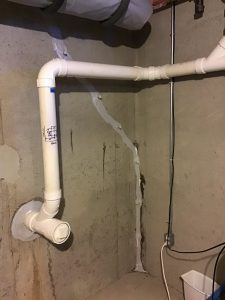 Why do caulk repairs fail so quickly? Silicone or masonry caulk sits on the surface instead of bonding through the full depth of the crack. Areas exposed to moisture, freeze-thaw cycles, or foundation movement commonly see caulk fail within a few seasons, leaving the underlying gap exposed again.
Avoid these post-repair errors:
- Do not ignore hairline cracks that reappear near a previous repair site.
- Do not delay follow-up inspection after heavy rain or spring thaw.
- Do not assume cosmetic patching addresses water intrusion.
- Do not wait until mold odors or musty air appear before acting.
What happens if a crack problem gets ignored? Ignored cracks put a property at risk for water damage, mold growth, and costlier repairs later. A wet basement threatens the structure itself, occupant health, and long-term property value. Homeowners unsure whether a repair is holding up can request an evaluation from an established regional team backed by a large, experienced staff trained to catch early warning signs before they escalate.
Frequently Asked Questions
What’s the difference between epoxy and polyurethane crack injection?
Epoxy and polyurethane injections serve different repair needs. Epoxy is a rigid structural resin best suited to narrow, stable cracks under 1/8 inch that show no ongoing movement, restoring strength while sealing out moisture. Polyurethane foam, by contrast, expands on contact and stays flexible, making it the better choice for wider, actively leaking cracks exposed to groundwater or seasonal freeze-thaw movement. Choosing between the two depends on crack width, depth, and whether water is currently entering — matching the material to the crack’s actual behavior, rather than convenience, determines whether the repair truly lasts.
How is a leaking basement wall repaired?
A leaking basement wall typically requires polyurethane foam injection rather than epoxy, since the foam expands to fill larger voids and forms a waterproof barrier even under groundwater pressure. Repair begins with a full inspection to determine whether the leak stems from a crack or a drainage failure, since faulty or missing drainage systems rank among the leading causes of wet basement floors and walls. Technicians clean the crack completely, inject material through its full depth, and often pair the repair with a weeping tile system to redirect groundwater away from the foundation and prevent the leak from recurring.
Is a DIY basement crack repair kit effective for structural cracks?
A DIY basement crack repair kit using store-bought silicone or masonry caulk addresses appearance but rarely stops water long-term, since it only seals the surface rather than bonding through the crack’s full depth. Cracks extend below what’s visible, and an incomplete fill lets water become trapped behind the repair, causing efflorescence and bond failure within a few seasons. Structural cracks, or any crack that widens, leaks, or runs along a wall, require professional injection with epoxy or polyurethane and, in some cases, underpinning or wall reinforcement — repairs beyond what a homeowner kit can safely deliver.
What is the best basement crack repair solution for a New England home?
The best basement crack repair solution for a New England home accounts for freeze-thaw cycles, high groundwater, and aging concrete, all of which push ordinary wear into structural territory. Narrow, stable cracks respond well to epoxy injection, while wider or actively leaking cracks call for polyurethane foam paired with drainage support such as a weeping tile system. Silicone or masonry caulk and hydraulic cement offer only temporary fixes. A professional inspection from a regional specialist like CrackX, based in Manchester, New Hampshire, ensures the repair method matches the crack’s severity and the region’s demanding seasonal conditions.
What determines the cost of a structural basement crack repair?
Structural basement crack repair cost depends primarily on the repair method required and the extent of the damage. A hairline crack sealed with epoxy injection costs far less than structural work involving underpinning, wall reinforcement, or a waterproofing membrane, which address more serious foundation movement. Additional drainage work, such as installing a weeping tile system to manage groundwater, adds to the overall price when water pressure is contributing to the damage. Because pricing varies so widely, homeowners should request a professional inspection and compare repair options before committing to a specific method.
How can you tell if a crack is structural rather than cosmetic?
A structural crack typically widens over time, leaks water, or runs diagonally along a wall rather than straight down, unlike a cosmetic hairline crack under 1/8 inch. Secondary symptoms also signal severity, including moisture penetrating flooring above the crack, a musty odor developing in the basement, visible staining after rainfall, or gradual widening across freeze-thaw seasons. A trained inspector distinguishes cosmetic surface lines from cracks that indicate foundation movement, since water entering a crack can freeze during winter, expand, and turn a minor flaw into a structural problem requiring underpinning or wall reinforcement.