
 MORE LOCATIONS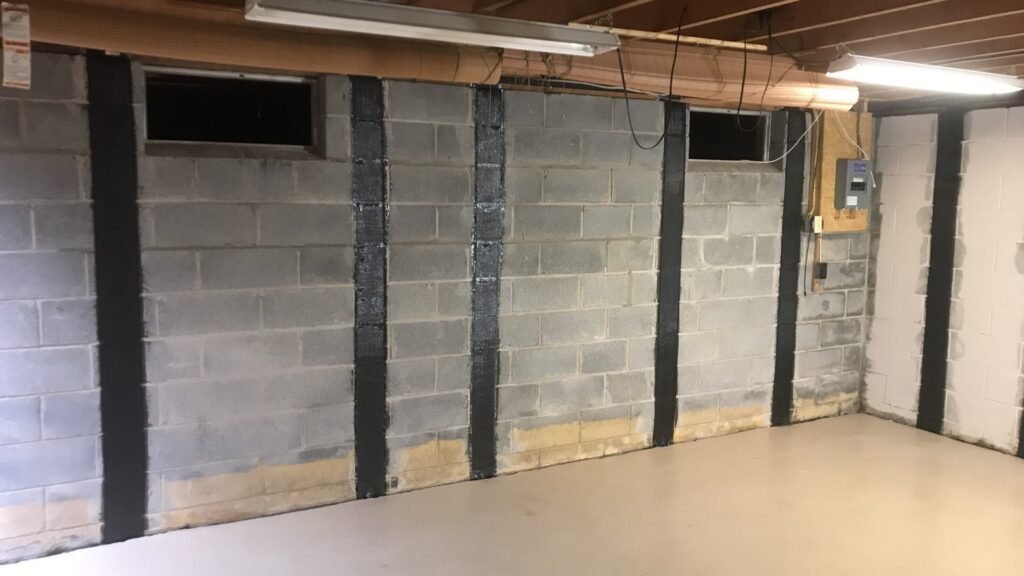
By Doug Chirichiello, CrackX
Foundation water damage presents a significant risk to the structural integrity and long-term value of homes across New England. Addressing these challenges requires a nuanced understanding of effective repair and waterproofing methods tailored to local soil conditions, climate, and building types. This comprehensive guide distills Crack-X’s expert insights to help homeowners in New Hampshire, Merrimack Valley, Southern Maine, and surrounding areas identify the best foundation repair strategies, understand when and why each method is appropriate, and make informed decisions to prevent water intrusion and related damage.
Techniques
 The optimal foundation repair method depends on the crack’s characteristics—size, movement, and cause—along with site-specific factors such as soil type and moisture levels. Understanding the differences between common professional approaches helps homeowners select long-lasting, effective solutions.
- Epoxy Injection: Best suited for static cracks—those that are stable and not subject to regular movement—epoxy injection involves filling cracks with a high-strength resin that bonds the concrete structurally and seals against water penetration. This method offers a permanent, rigid repair ideal for hairline to moderate cracks without visible wall movement. Its cure time provides strong adhesion, but epoxy does not accommodate ongoing foundation movement.
- Polyurethane Injection: Designed for active cracks that expand, contract, or shift due to soil movement or load changes, polyurethane injection uses an expanding foam that remains flexible after curing. This flexibility allows the seal to maintain watertight integrity despite foundation movement. Though less structurally reinforcing than epoxy, polyurethane is superior for sealing leaks in dynamic conditions, making it effective for soil types prone to swelling or contraction.
- Crawl Space Repair and Encapsulation: Areas under homes that are susceptible to moisture benefit from crawl space encapsulation. This process includes sealing the crawl space with heavy-duty polyethylene vapor barriers, improving ventilation, and sometimes installing dehumidifiers or drainage solutions. Encapsulation prevents ground moisture infiltration, reduces mold growth, and stabilizes indoor humidity. This method addresses water issues from a building envelope perspective rather than structural crack repair, complementing injection methods.
Professionals evaluate crack type, foundation movement, and environmental conditions to determine which method or combination of methods will ensure durable protection and structural preservation. Notably, epoxy and polyurethane injections serve different purposes: epoxy offers a permanent fix for stable cracks, while polyurethane provides a flexible, water-resistant seal for active cracks. Crawl space encapsulation mitigates moisture introduction from below the foundation, reducing pressure and potential damage from water vapor.
Waterproofing Solutions
Successful waterproofing combines interior and exterior measures to reduce water entry, soil saturation, and hydrostatic pressure against foundations. Tailoring these systems to home design, local climate, and soil conditions enhances longevity.
- Interior Waterproofing: This involves sealing basement walls and floors with waterproof coatings, installing vapor barriers, and incorporating sump pumps to collect and remove infiltrating water. Interior systems are particularly effective when exterior access is limited or in retrofit scenarios. While interior waterproofing manages symptoms by controlling water penetration inside the home, it should be part of a comprehensive strategy including exterior drainage for maximum effectiveness.
- Exterior Drainage Systems: French drains, footing drains, and diversion grading redirect groundwater and surface runoff away from the foundation. Proper installation includes excavation, filtration layers, perforated pipe placement, and slope grading. These systems reduce soil moisture levels and hydrostatic pressure on foundation walls, directly tackling the root causes of water intrusion. Because they prevent water accumulation at the foundation, they extend the lifespan of structural repairs and minimize ongoing maintenance.
- Crawl Space Encapsulation: As previously noted, sealing crawl spaces with vapor barriers and ensuring good drainage complement exterior measures. Proper encapsulation reduces moisture vapor diffusion into the home structure, minimizes mold growth, and improves energy efficiency.
Deploying multiple waterproofing solutions in coordination addresses both the pressure of groundwater and pathways for moisture, providing robust, durable protection for New England homes. Crack-X specializes in custom-tailored systems encompassing foundation crack repair via epoxy and polyurethane injections alongside drainage installations such as French drains. These integrated approaches meet the unique needs of properties in New Hampshire, Merrimack Valley, and Southern Maine.
Important Considerations
Homeowners should understand local environmental variables and structural design factors that influence repair success and foundation resilience.
- Soil Type: Expansive clays subject foundations to cyclic swelling and shrinking, causing cracks and movement. In contrast, sandy soils provide better drainage but may require erosion control. Recognizing the soil characteristics informs the choice between rigid or flexible injection materials and the necessity of drainage systems.
- Home Design: Buildings with inadequate grading, missing gutters, or poor drainage systems often experience concentrated water near foundations. Steep slopes, improper downspouts, or landscape features can exacerbate problems, requiring correction alongside structural repairs.
- Environmental Factors: New England’s seasonal freeze-thaw cycles cause soil heaving and settling, which can progressively damage foundations. Repairs must accommodate thermal and moisture-induced movements to prevent recurrence.
Detailed site assessment by qualified professionals ensures repair methods align with these critical factors for sustained performance.
How Can You Identify Signs of Foundation Water Damage Early?
Prompt recognition of water damage signs minimizes repair complexity and cost. Monitor for the following indicators:
- Cracks in Walls or Floors: Look for vertical or horizontal cracks—especially if evolving in size or revealing efflorescence (white mineral deposits), which suggest moisture intrusion.
- Water Stains: Discolored walls or floors often mark previous or ongoing leaks beneath surfaces.
- Musty Odors: Persistent damp, mildew smells frequently signal hidden moisture and potential mold remediation needs.
Early engagement of professional assessment following discovery of these signs can avoid escalated damage and higher repair expenses.
What Are the Common Indicators of Basement and Foundation Moisture Problems?
Regular inspection uncovers persistent symptoms requiring action:
- Damp or Wet Floors: Consistent moisture accumulation signals insufficient drainage or rising groundwater issues.
- Condensation: Frequent water droplets on cold basement walls or window surfaces indicate elevated indoor humidity, often tied to unmitigated vapor intrusion.
- Mold Growth: Visible mold colonies result from ongoing moisture problems and can pose health risks.
Tackling these conditions rapidly improves home safety and structural integrity.
Which Causes Contribute Most to Foundation Water Damage in New England?
Understanding water intrusion sources allows targeted remediation:
- Hydrostatic Pressure: Saturated soils exert force on foundations, pushing water through cracks and porous material.
- Insufficient Drainage: Clogged, damaged, or non-existent drainage lets water pool near foundations, exacerbating water pressure.
- Seasonal Freeze and Thaw Cycles: Repeated freezing and thawing cause soil to shift, damaging foundations and initiating cracks.
Addressing these root causes through drainage improvements, appropriate repair methods, and moisture management ensures durable solutions.
What Are the Most Effective Foundation Crack Repair Solutions?
Proper crack repair selection depends on crack condition and foundation behavior:
- Epoxy Injection: This method provides a strong, permanent bond, effectively restoring structural integrity for static cracks with minimal movement.
- Polyurethane Injection: Offering flexibility, it is ideal for active or shifting cracks, sealing leaks while accommodating foundation movement.
- Carbon Fiber Reinforcement: Applied to wall interiors, carbon fiber straps strengthen bowed or bowed walls, stopping crack widening and restoring stability. This is an important complement to crack sealing in cases of structural stress.
These solutions, alone or combined, prevent recurring leaks and help maintain foundation stability over time.
How Do Epoxy and Polyurethane Injections Compare in Repairing Foundation Cracks?
While both seal cracks, their differing properties suit distinct scenarios:
- Epoxy Injections: Rigid and chemcially-bonded, epoxy is suitable for non-moving cracks and provides structural reinforcement. It is longer lasting and restores concrete strength.
- Polyurethane Injections: Flexible and water-reactive, polyurethane expands to fill voids and remains elastic. It’s best used where crack movement is expected or ongoing.
Experts diagnose crack activity through monitoring and visual assessment to choose the appropriate injection type.
 When Should Professional Crack Injection Services Be Considered?
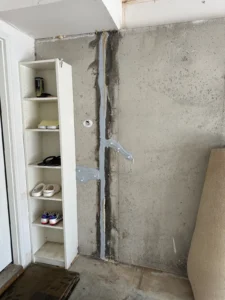 When Should Professional Crack Injection Services Be Considered?
Professional evaluation and repair are recommended for:
- Widespread Cracking: Extensive or growing cracks may compromise structural safety and require specialist intervention.
- Visible Water Intrusion: Active leaks through cracks indicate urgent need for professional sealing and waterproofing.
- Foundation Settlement: Signs like uneven floors or doors that don’t close may signal settling needing detailed assessment.
Professionals bring precise diagnostics, access to industry-grade materials, and installation warranties that protect your investment.
Which Basement Waterproofing Methods Best Prevent Water Intrusion?
Effective waterproofing integrates surface water diversion with interior water management:
- French Drains: Subsurface trenches with perforated pipe collect and reroute water away from foundations, reducing soil saturation levels.
- Interior Drainage: Installed beneath basement floors, these channel water to sump pumps, preventing accumulation inside living spaces.
- Exterior Waterproofing Membranes: Applied to foundation exteriors during construction or retrofit, these barriers block moisture infiltration at the source.
Combined, these systems keep basements dry and protect foundation integrity for decades when properly maintained.
How Do Interior Waterproofing Techniques Like Vapor Barriers and Sump Pumps Work?
Interior waterproofing targets moisture migration from soil through slabs and walls:
- Vapor Barriers: Heavy-duty plastic sheeting or coatings applied to basement walls and floors reduce water vapor transmission into living areas.
- Sump Pumps: Installed in pits dug at the basement’s lowest point, sump pumps collect and eject water that seeps in, preventing flooding and dampness.
Together, these reduce humidity levels and curb mold growth, critical for homes with limited exterior access or older construction.
What Are the Benefits of Crawl Space Encapsulation for Moisture Control?
Encapsulating crawl spaces provides comprehensive moisture management with multiple benefits:
- Improved Air Quality: Sealing out ground moisture reduces mold sources and airborne allergens affecting indoor environments.
- Energy Efficiency: Creating a controlled environment stabilizes temperatures, helping lower heating and cooling costs.
- Pest Prevention: Sealing openings reduces entry points for rodents and insects attracted to damp habitats.
This preventive measure is especially beneficial in humid New England climates and complements foundation repair efforts.
How Do Exterior Drainage Systems Protect Foundations from Water Damage?
Exterior drainage systems are a first line of defense against foundation water damage:
- Direct Water Away: Well-designed grading and drainage infrastructure prevents water from pooling and saturating soil near foundations.
- Reduce Hydrostatic Pressure: Lower soil moisture reduces the force exerted on foundation walls, diminishing leak risks and structural stress.
Proper installation and maintenance of these systems are essential to long-term foundation health.
What Role Do French Drains and Integrated Drainage Systems Play in Waterproofing?
French drains and integrated systems are proven techniques to control surface and subsurface water:
- Collecting Surface Water: French drains gather runoff from roofs, paved areas, and landscapes, channeling it safely away from foundations.
- Reducing Soil Saturation: Integrated drainage systems balance groundwater levels, preventing excessive moisture buildup and related damage.
They form a critical component of a holistic waterproofing strategy, particularly in regions like New Hampshire and Southern Maine with heavy seasonal precipitation.
How Does Proper Sump Pump Installation and Maintenance Enhance Protection?
Sump pumps must be properly installed and regularly maintained to reliably protect basements:
- Installation Considerations: Positioning pumps at basement low points maximizes water collection efficiency, while battery backup systems protect against power outages.
- Routine Maintenance: Frequent inspection and testing ensure pumps operate correctly and prevent failure during critical periods.
These best practices mitigate flood risks and prolong the lifespan of basement waterproofing components.
Frequently Asked Questions
1. How can I tell if my foundation is at risk for water damage?
Monitor for visible cracks, damp spots, water stains, musty odors, and poor site drainage conditions. Early detection through regular inspections, especially in spring and fall, allows timely action.
2. What preventative measures can be taken to protect my foundation?
Maintain clear gutters and downspouts directing water away, ensure proper grading, install or clean drainage systems like French drains, and consider interior vapor barriers and sump pump setups to manage moisture.
3. When is the best time to conduct foundation inspections?
Spring and fall, when fluctuations in moisture and temperature are greatest, provide the most revealing conditions for foundation vulnerabilities.
4. How does soil composition influence foundation stability?
Clay soils expand and contract significantly with moisture changes, requiring flexible repair materials and drainage management. Sandy soils drain better but may need erosion control. Understanding soil type guides selection of appropriate repair and waterproofing methods.
5. What should I do if I find cracks in my foundation?
Document their size and progression. Hairline cracks can often be sealed with epoxy injection, but large, widening, or structurally patterned cracks require professional evaluation and possibly reinforcement.
6. Can landscaping affect my foundation’s vulnerability to water damage?
Yes. Proper grading directs water away, and selecting plants that avoid excessive root pressure or moisture retention near the foundation helps prevent damage.
7. What are the long-term impacts of ignoring foundation water damage?
Ignoring these issues can lead to structural degradation, mold infestation, increased repair costs, and significant decrease in property value.
Conclusion
Effectively stopping water intrusion and repairing foundation damage in New England homes hinges on selecting the right repair and waterproofing methods matched to local conditions and the specific nature of the problem. Epoxy injection offers permanent repair for static cracks; polyurethane injection suits active cracks needing flexible sealing; and drainage improvements like French drains and sump pump systems target hydrostatic pressure and soil saturation—the root causes of water intrusion. Complementary approaches such as crawl space encapsulation and structural reinforcement further enhance durability and home comfort.
Crack-X, serving New Hampshire, Merrimack Valley, Southern Maine, and neighboring regions, integrates proven techniques with localized expertise to deliver dependable foundation repair and waterproofing services. Homeowners are encouraged to seek professional assessments to diagnose foundation issues accurately and develop comprehensive, tailored repair strategies. For more information about foundation repair, foundation crack repair, basement waterproofing, and crawl space repair, or to contact Crack-X professionals, visit their website to protect your home with expert care.