
 MORE LOCATIONS
Selecting the right basement crack solution protects your home’s structure. This guide summarizes common repair methods, typical costs, and key factors to help you choose the best option for your property.
Repair Methods
Several methods address basement cracks; each suits different conditions. Common options include epoxy or polyurethane injections, underpinning, wall reinforcement, waterproofing membranes, and sump pumps. Effectiveness and cost depend on crack type and site conditions.
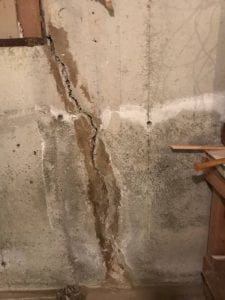
 Epoxy Injection
Epoxy injection fills small cracks with a structural resin that bonds concrete and reduces water intrusion. Typical costs: $300–$1,500, depending on size and complexity.
Polyurethane Foam Injection
Polyurethane foam expands into larger gaps to seal voids and provide a waterproof barrier. Typical costs: $1,000–$3,500.
Underpinning
Underpinning extends the foundation to more stable soil to address settling or shifting. Typical costs: $2,000–$4,000, depending on the scope.
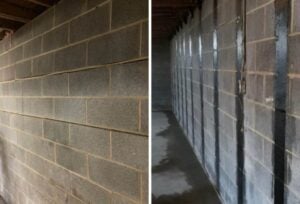
 Wall Reinforcement
Reinforcement adds support to compromised walls to prevent further cracking or bowing. Costs typically range $1,000–$3,500 based on damage and materials.
Waterproofing Membranes
Membranes, applied interiorly or exteriorly, create a barrier to moisture. Costs vary widely with membrane type and installation approach.
Sump Pumps
Sump pumps remove accumulated groundwater to prevent flooding and water damage. Installation costs typically range $1,000–$3,500, depending on system complexity.
Key Factors to Consider
Evaluate damage severity, water intrusion risk, and material quality. Identify crack type—vertical, horizontal, or stair-step—to guide the repair choice.
Cost Overview
Understanding typical cost ranges and warranty lengths helps budgeting. The table below summarizes common methods, typical price ranges, and warranty options.
| Repair Method | Cost Range | Warranty Options |
|---|---|---|
| Epoxy Injection | $300 – $1,500 | 1-5 years |
| Polyurethane Foam Injection | $1,000 – $3,500 | 1-5 years |
| Underpinning | $2,000 – $4,000 | 5-10 years |
| Wall Reinforcement | $1,000 – $3,500 | 1-5 years |
| Waterproofing Membranes | Varies widely | 5-10 years |
| Sump Pumps | $1,000 – $3,500 | 1-5 years |
This table highlights typical cost and warranty ranges to support planning and contractor discussions.
What Are the Common Causes and Types of Basement Cracks?
Cracks often result from soil movement, freeze-thaw cycles, and poor drainage. Recognizing vertical, horizontal, and stair-step cracks helps identify causes and select repairs.
How Do New England’s Climate and Soil Conditions Affect Basement Cracks?
Freeze-thaw cycles and clay-rich soils can amplify soil movement, increasing the risk of shifting and settling; homeowners in the region should monitor basements closely.
What Are the Differences Between Vertical, Horizontal, and Stair-Step Cracks?
Vertical cracks usually indicate settling or shrinkage; horizontal cracks suggest lateral pressure from soil or water; stair-step cracks often appear in masonry and can signal foundation movement.
Which Basement Crack Repair Methods Offer the Most Durable Solutions?
Epoxy and polyurethane injections provide durable sealing when applied correctly; underpinning and reinforcement address structural issues for long-term stability.
How Do Epoxy and Polyurethane Injection Repairs Compare?
Epoxy is best for small structural repairs, while polyurethane foam better seals larger, actively leaking gaps. Choice depends on crack size and moisture conditions.
When Is Hydraulic Cement or Structural Stabilization Recommended?
Hydraulic cement suits larger or actively leaking cracks. Structural stabilization, including underpinning, is used for settling or shifting foundations.
What Waterproofing Solutions Protect Against Basement Water Intrusion?
Waterproofing membranes and sump pumps, used together, typically control moisture and groundwater, producing a drier basement environment.
How Do Waterproofing Membranes Prevent Foundation Damage?
Membranes form a moisture barrier that prevents water penetration, helping preserve structural integrity and reduce mold risk.
What Are the Best Basement Waterproofing Methods for New England Homes?
Combining membranes with a sump pump usually addresses both surface moisture and groundwater, improving basement dryness and stability in New England conditions.
How Much Does Basement Crack Repair Cost and What Warranty Options Are Available?
Costs range from a few hundred dollars for minor injections to several thousand for structural repairs; warranties commonly span one to ten years depending on the method.
What Factors Influence Foundation Crack Repair Costs in New England?
Costs depend on damage severity, chosen method, site conditions, and local labor/material rates.
How Long Do Crack Injection Repairs Typically Last?
Injection repairs generally last five to ten years; regular monitoring and maintenance can extend service life.
If you need professional assistance, contact basement crack repair experts for inspection and solutions.
Conclusion
Understanding repair options, costs, and site-specific needs lets you choose the best solution to protect your foundation. For professional guidance and service, consult foundation repair and waterproofing specialists to secure a drier, more stable basement.
Frequently Asked Questions
What are the signs that indicate I need basement crack repair?
Visible wall or floor cracks, water stains, persistent dampness, mold, or doors/windows that stick can all indicate foundation issues. Regular inspections catch problems early.
Can I repair basement cracks myself, or should I hire a professional?
Small, non-structural cracks may be DIY-friendly; structural or active leaks should be evaluated and repaired by a professional to ensure safety and durability.
How can I prevent future basement cracks?
Maintain gutters and downspouts, grade soil away from the foundation, avoid overwatering near the house, and monitor soil moisture to reduce movement-related cracking.
What is the average lifespan of different basement repair methods?
Lifespan varies: injections often last five to ten years; underpinning and reinforcement can last a decade or more with maintenance. Installation quality and site conditions affect longevity.
Are there any financing options available for basement crack repairs?
Many contractors offer financing such as payment plans or loans; discuss options before work begins to find a suitable arrangement.
How do I choose the right contractor for basement crack repairs?
Check qualifications, specialization in foundation work, reviews, references, and warranty terms. Obtain multiple quotes before deciding.
What should I do if I notice new cracks after repairs have been made?
Contact your contractor for reassessment; new cracks may indicate unresolved issues or new stress and often require prompt evaluation.