
 MORE LOCATIONS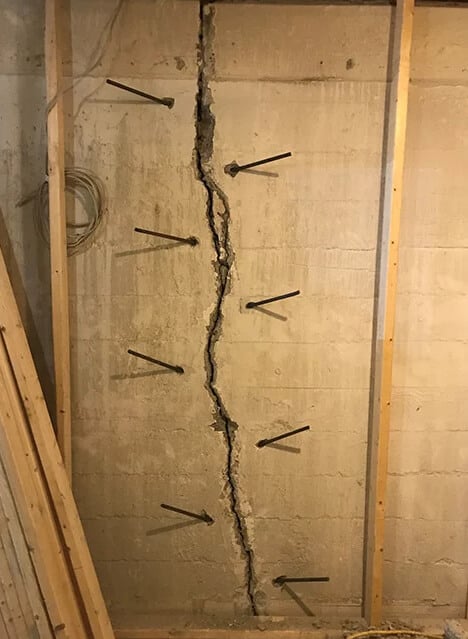
Foundation cracks signal potential structural or moisture problems that deserve timely attention. This guide summarizes professional repair methods, waterproofing options, and practical maintenance steps to preserve your home’s integrity and limit future costs.
A foundation’s role in a building’s overall stability is critical; damage to this component can produce serious consequences.
Residential Foundation Failure & Structural Stability
The foundation is a primary structural element linking the building to the soil and transmitting loads from the structure to the ground. Damage to these elements undermines the building’s overall stability and, depending on severity, can result in collapse.
A case study of foundation failure of a residential building: From diagnosis to reparation, A Merah, 2021
Professional Repair Methods
Professionals choose methods based on crack type and movement; the common approaches are listed below with concise descriptions.
- Epoxy Injection : Injects rigid epoxy to bond concrete and restore strength — best for non-moving cracks.
- Polyurethane Foam : Expands to seal and waterproof cracks while allowing limited movement.
- Underpinning : Extends or reinforces footings where settlement is significant, providing long-term support.
CRACK-X of New England specializes in foundation repair and basement waterproofing and provides tailored solutions for foundation cracks .
Waterproofing Solutions
Waterproofing prevents the moisture that accelerates cracking and deterioration; choose methods to match your exposure and soil conditions.
Various techniques are used to prevent water ingress into concrete; each contributes to the long-term durability of the structure.
Concrete Waterproofing Methods for Durability
Water seepage into concrete can cause deterioration and other aesthetic issues that limit the life of concrete constructions. This paper examines and contrasts the various kinds of waterproofing techniques. There are essentially two types: surface treatment method and integral method.
Integral and surface treatment method of waterproofing: a review and comparative analysis, 2024
- Exterior Waterproofing Membranes : Applied outside to block groundwater and reduce seepage.
- Interior Drainage Systems : Channels water to a sump pump to remove it from the basement.
- Soil Grading : Slope soil away from the foundation to minimize pooling and pressure on walls.
Together, these measures reduce hydrostatic pressure and the chance of future cracks.
Best Practices for Long-Term Durability
Simple, regular actions prevent minor issues from escalating: inspect, maintain drainage, and plan landscaping carefully.
- Regular Inspections : Check for new or changing cracks and signs of settling; early detection limits repair scope.
- Proper Drainage Maintenance : Keep gutters and downspouts clear and functioning to direct water away.
- Landscaping Considerations : Avoid large roots near foundations and use grading to control surface water.
Routine attention reduces repair frequency and cost.
What Are the Common Causes and Types of Foundation Cracks?
Cracks stem from settlement, moisture-driven soil movement, and lateral pressure; recognizing the type guides the repair choice.
- Settlement : Vertical cracks often signal settling; monitor size and progression.
- Moisture-Related Issues : Soil expansion and shrinkage can cause horizontal or stepped cracking.
- Types of Cracks : Vertical Cracks : Often from settling; small ones are common and repairable. Horizontal Cracks : Can indicate pressure or water problems and need prompt evaluation. Stair-Step Cracks : Typical in masonry — may indicate more serious structural movement.
Identifying cause and crack pattern helps determine whether waterproofing, sealing, or structural repair is appropriate.
How Does New England’s Climate Affect Foundation Cracks?
Fluctuating temperatures and seasonal moisture in New England increase freeze-thaw and soil movement risks, making durable waterproofing and proper grading especially important.
- Temperature Variations : Freeze-thaw cycles expand and contract soils around foundations.
- Moisture Levels : Heavy rain and snowmelt can saturate soil and increase lateral pressure.
- Seasonal Impacts : Spring and fall swings often reveal new or worsening cracks.
Plan inspections around seasonal transitions to catch moisture-driven changes early.
What Are the Different Types of Foundation Cracks and Their Risks?
Matching the repair to the crack type limits recurrence and protects structural integrity.
- Vertical Cracks : Usually due to settling; seal to prevent water entry.
- Horizontal Cracks : More serious — often require professional assessment and structural remedies.
- Stair-Step Cracks : Seen in block or brick; evaluate for underlying movement.
Use a professional assessment for horizontal or stair-step patterns.
Which Professional Repair Methods Are Most Effective for Foundation Cracks?
Epoxy injection, polyurethane foam, and underpinning cover most repair needs; selection depends on movement, moisture, and settlement severity.
- Epoxy Injection : Best for static, structural cracks.
- Polyurethane Foam : Preferred where movement or water sealing is needed.
- Underpinning : For significant settlement or support failure.
Consult a foundation specialist to match method to site conditions.
How Does Epoxy Injection Repair Foundation Cracks?
Epoxy injection bonds and fills static cracks; the basic steps are concise.
- Assessment and Preparation : Confirm crack is non-moving and clean surfaces for adhesion.
- Injection Process : Inject epoxy to fill voids and bond the concrete.
- Curing and Inspection : Allow cure time and verify the repair restores integrity.
Epoxy is a fast, structural repair when used where appropriate.
What Is the Role of Polyurethane Foam in Crack Sealing?
Polyurethane foam seals and waterproofs cracks while tolerating some movement, making it useful where water control and flexibility are priorities.
- Applications of Polyurethane Foam : Injected to fill voids and block water paths.
- Advantages of Foam Sealing : Flexible seal that accommodates movement.
- Effectiveness in Waterproofing : Prevents water infiltration and related damage.
Choose foam when sealing and moisture control are the main objectives.
How Do Basement Waterproofing Solutions Prevent Further Foundation Damage?
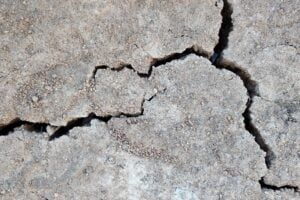
Waterproofing reduces pressure on walls, removes accumulated water, and prevents hydrostatic forces that cause cracks.
- Barrier Creation : Membranes block water entry.
- Water Removal Systems : Interior drainage and sump pumps evacuate water.
- Pressure Relief Mechanisms : Proper systems lower hydrostatic pressure on walls.
Combined strategies are often the most effective defense against moisture-driven foundation damage.
What Waterproofing Systems Are Recommended for New England Basements?
For New England, use exterior membranes, reliable interior drainage, and a properly sized sump pump to address seasonal moisture and frost effects.
- Exterior Waterproofing Membranes : Keeps groundwater from contacting walls.
- Interior Drainage Systems : Directs seepage to a pump for removal.
- Sump Pump Systems : Removes excess water to prevent flooding and foundation damage .
These systems, used together, reduce the likelihood of moisture-induced cracking.
How Do Waterproofing Membranes Protect Structural Integrity?
Membranes reduce water entry and hydrostatic pressure, control moisture levels, and support long-term stability of foundation walls.
- Pressure Reduction : Lowers force on foundation walls.
- Moisture Control : Helps prevent mold and deterioration.
- Long-Term Stability : Limits water-driven degradation over time.
Proper membrane selection and installation are key to durable protection.
What Are the Typical Costs and Warranty Options for Foundation Crack Repairs?
Costs vary by method and severity; typical ranges and warranty practices help homeowners plan financially.
- Cost Ranges for Different Methods : Epoxy injection is typically lower-cost; underpinning and large structural repairs are more expensive.
- Warranty Options : Many firms offer warranties (commonly 1–10 years); confirm coverage details.
- Factors Influencing Costs : Severity, method, accessibility, and location all affect price.
Ask for written estimates and warranty terms before committing to work.
How Is Foundation Crack Sealing Cost Determined?
Sealing cost depends on the chosen method, damage extent, and site accessibility.
- Repair Method Costs : Materials and technique affect unit cost.
- Severity of Damage : Larger or structural cracks raise labor and material needs.
- Location and Accessibility : Hard-to-reach areas increase labor time and cost.
Obtain multiple quotes and compare scope, not just price.
What Warranty Coverage Should Customers Expect?
Warranties typically cover workmanship and materials for a defined period; read terms for exclusions and claim conditions.
- Warranty Lengths : Terms commonly range from 1 to 10 years.
- Coverage Details : Confirm what is and isn’t included before hiring.
- Conditions for Claims : Note maintenance responsibilities and documentation needed to make claims.
Ensure warranty commitments are provided in writing.
Frequently Asked Questions
What are the signs that indicate a foundation crack needs immediate attention?
Seek prompt professional evaluation for large horizontal or stair-step cracks, doors/windows that stick, visible wall-ceiling gaps, or water pooling near the foundation.
How can I prevent foundation cracks from occurring in the first place?
Maintain proper drainage (gutters, downspouts, grading), repair leaks quickly, and avoid planting large trees close to the foundation.
Are there DIY methods for minor foundation crack repairs?
Small vertical cracks can be patched with concrete compounds or epoxy after cleaning; larger or structural cracks require professional repair.
How often should I inspect my foundation for cracks?
Inspect at least annually and after major weather events; check spring and fall when moisture levels shift.
What should I do if I find a crack in my foundation?
Document the crack, note changes, and consult a foundation specialist for guidance—especially for horizontal or stair-step cracks.
How does soil type affect foundation stability?
Clay expands and shrinks with moisture, while sandy soils may erode; know your soil type to choose effective drainage and stabilization measures.
What are the long-term effects of ignoring foundation cracks?
Untreated cracks can lead to structural instability, water ingress, mold, higher repairs, and reduced property value.
Conclusion
Prompt assessment and appropriate repairs, combined with good waterproofing and maintenance, preserve foundation integrity and limit future costs. Contact qualified professionals to determine the right solution for your home.