
 MORE LOCATIONS
Foundation cracks can threaten a home’s structure and value. This article explains popular repair methods like epoxy injection, polyurethane foam injection, and structural stabilization, helps homeowners decide which is best for them, and provides guidelines for inspection and choosing options to keep a foundation safe
Effective Techniques
Common techniques restore structural integrity or stop water intrusion. A quick cost reference appears below; final cost varies with severity and access.
| Repair Method | Description | Cost |
|---|---|---|
| Epoxy Injection | A method that involves injecting epoxy resin into cracks to bond and seal them. | $300-$800 per crack |
| Polyurethane Foam Injection | This technique uses expanding foam to fill cracks and prevent water intrusion. | $400-$1,200 per crack |
| Structural Stabilization | Involves underpinning or installing piers to support and stabilize the foundation. | $1,000-$3,000 per pier |
Epoxy is best for small, stable cracks; polyurethane foam suits larger, water-bearing leaks; underpinning or piers address long-term settlement or loss of support.
Solutions for Homeowners
Start with a thorough inspection to identify causes (movement, water, drainage) and to define a repair plan. Early assessment narrows options and reduces cost.
CRACK-X of New England specializes in regionally tailored crack repair and basement waterproofing, including epoxy and polyurethane injection, structural stabilization, and waterproofing.
Importance of Comprehensive Inspections
Inspections reveal concealed damage, active movement, or water issues; schedule them annually in high-risk areas.
Custom Repair Plans Based on Inspection Findings
Qualified professionals should match the repair method to the crack type, water presence, and the foundation’s stability to ensure durable results.
Considerations for Selecting the Right Repair Method
Assess crack severity, water intrusion risk, and long-term stability before choosing sealing, injection, or structural work.
Emphasizing the importance of a tailored approach, selecting the correct repair method is crucial for long-lasting results.
Choosing Effective Crack Repair Methods for Buildings
Effective crack repair depends on identifying the cause of the cracks and choosing a method that addresses that cause; otherwise the repair may not be durable. This report supports the evaluation of crack causes and informs appropriate repair selection for concrete structures.
Evaluation of epoxy injection method for concrete crack repair, H Askarinejad, 2017
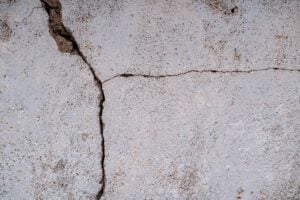
- Severity of Cracks : Small hairline cracks may only need sealing; larger or widening cracks require more involved repair.
- Water Intrusion Concerns : Active leaks call for waterproofing measures alongside crack repair.
- Long-Term Stability Considerations : Ensure the method chosen addresses settlement or ongoing movement if present.
Benefits of Timely Foundation Repair
Prompt repair prevents escalation, protects property value, improves safety, and can lower total costs compared with delayed work.
- Preservation of Home Value : A solid foundation supports resale and appraisal.
- Safety and Comfort Improvements : Repairs reduce structural risks and interior damage.
- Cost-Effectiveness of Early Intervention : Addressing problems early avoids larger repairs later.
These benefits make early inspection and action a practical investment.
What Are the Common Causes of Foundation Cracks in New England?
Regional causes include soil movement, hydrostatic pressure, and poor drainage; seasonal moisture swings in New England increase these risks.
- Soil Movement : Expansion and contraction of soil stresses foundations.
- Hydrostatic Pressure : Excess groundwater pushes on walls and can open cracks.
- Poor Drainage : Standing water near the foundation worsens problems.
Addressing these causes reduces the chance of repeated damage.
How Does Hydrostatic Pressure Affect Foundation Integrity?
Groundwater accumulation increases lateral pressure on walls, which can crack and deform foundations; good drainage, grading, and sump systems mitigate this risk.
What Role Does Soil Movement Play in Foundation Cracking?
Moisture-driven soil expansion and shrinkage exert forces that can open or widen cracks; learn local soil behavior and consider stabilization or drainage where needed.
Which Foundation Crack Repair Techniques Are Most Effective?
Match technique to cause: epoxy for stable structural cracks, polyurethane foam for water-bearing or slightly active cracks, and stabilization for support loss.
How Does Epoxy Injection Repair Structural Cracks?
Epoxy bonds concrete faces and seals gaps to restore load transfer where movement is not expected.
Research further supports the efficacy of epoxy injection in restoring the structural integrity of cracked concrete.
Epoxy Injection Effectiveness for Concrete Repair
This paper assesses the effectiveness of three epoxy brands commonly used in industry to repair cracked concrete beams. The study provides comparative data on performance for structural repair.
Evaluation of epoxy injection method for concrete crack repair, H Askarinejad, 2017
What Are the Benefits of Polyurethane Foam Injection for Crack Sealing?
Polyurethane foam seals water leaks, offers flexibility for slight movement, and is often quick to apply.
- Waterproofing : Expanding foam forms a watertight seal.
- Flexibility : Foam can tolerate minor movement.
- Quick Application : Work can often finish in a day.
Studies further detail the effectiveness of polyurethane foam in waterproofing and sealing cracks.
Polyurethane Foam for Waterproofing & Leak Repair
The referenced study examines the performance of polyurethane foam and gel products under various conditions and describes the foam’s mechanism for sealing leaks and providing waterproofing.
Evaluation of polyurethane resin injection for concrete leak repair, MA Safan, 2019
How Do Basement Waterproofing Solutions Complement Crack Repairs?
Waterproofing reduces hydrostatic pressure and protects repairs; common measures are sump pumps, interior/exterior drains, and membranes.
What Waterproofing Methods Address Hydrostatic Pressure Issues?
Practical measures manage groundwater and relieve wall pressure.
- Sump Pumps : Remove excess water from basements.
- French Drains : Redirect water away from foundations.
- Waterproofing Membranes : Exterior barriers prevent intrusion.
How Does Waterproofing Prevent Future Foundation Damage?
By keeping water away from the foundation, waterproofing reduces hydrostatic pressure and soil movement that can create new cracks.
What Should Homeowners Know About Maintenance and Monitoring of Foundation Cracks?
Regular monitoring, documentation, and periodic professional inspections help detect changes early and guide repairs.
- Inspect Cracks Regularly : Note size or appearance changes.
- Schedule Professional Inspections : Have experts review conditions after heavy weather or shifts.
- Document Changes : Records aid diagnosis and warranty claims.
How Often Should Foundation Inspections Be Scheduled?
Inspect at least annually and sooner if you notice new cracks, movement, or after major storms.
What Are the Signs That Indicate Repair Needs or Warranty Coverage?
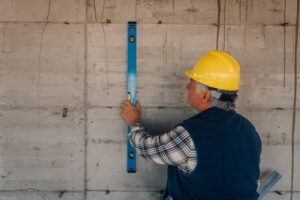
Warning signs include visible or growing cracks, doors/windows that stick, and uneven or sloping floors.
- Visible Cracks : Large or expanding openings in walls or floors.
- Doors and Windows : Sticking or misalignment indicates movement.
- Uneven Floors : Sloping floors may signal foundation issues.
Homeowners should also review their warranty coverage to confirm included repairs and contact points.
Frequently Asked Questions
What are the long-term effects of ignoring foundation cracks?
Ignoring cracks can lead to worsening structural damage, water intrusion, mold, and higher repair costs.
How can homeowners prevent foundation cracks from occurring?
Maintain proper drainage, keep gutters and downspouts functional, grade soil away from the house, and manage irrigation to control moisture.
Are there DIY methods for minor foundation crack repairs?
Small, non-structural cracks can be sealed with consumer epoxy or polyurethane products, but assess movement first; consult a pro for larger or active cracks.
What should homeowners do if they notice new cracks after repairs?
Inspect and document changes, then contact the original contractor or a qualified professional to evaluate whether further work is needed.
How do seasonal changes affect foundation stability?
Seasonal moisture and temperature changes cause soil expansion and shrinkage, which can stress foundations; they increase inspection frequency during transitions.
What are the signs of water damage related to foundation issues?
Look for stains, musty odours, mold in basements, persistent dampness, or pooling near the foundation—these require prompt investigation.
How can homeowners choose a reliable foundation repair contractor?
Check experience, reviews, credentials, and references; get multiple quotes and confirm written warranties before hiring.
Conclusion
Knowing available repair methods and their appropriate uses helps homeowners protect property value and safety. Arrange inspections and use tailored repair plans to address the root causes and preserve your foundation.