
 MORE LOCATIONS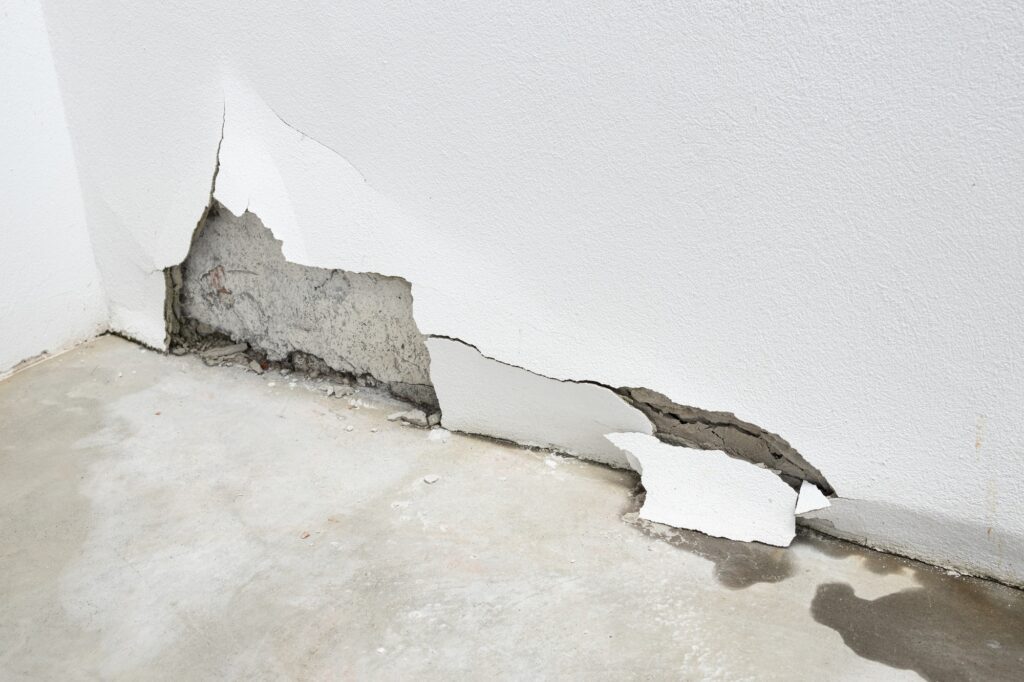
Foundation problems can quietly erode both your home’s safety and its resale value. Many owners miss early warning signs, letting small issues become expensive repairs and making the property harder to sell. Knowing how foundation damage affects value helps you protect your investment. This article walks through common warning signs, how foundation issues influence market value, why professional inspections matter, and the repair and financing options to consider. We’ll also explain basement waterproofing options and how they help keep your home secure.
Common Signs of Foundation Damage Every Homeowner Should Watch For
Spotting foundation trouble early is one of the best ways to avoid costly fixes. Look for visible wall cracks, doors or windows that suddenly stick, sloped or uneven floors, persistent damp patches, and any mold growth. These symptoms often point to underlying structural problems that will worsen if left unchecked.
How Foundation Cracks and Settlement Reveal Structural Problems
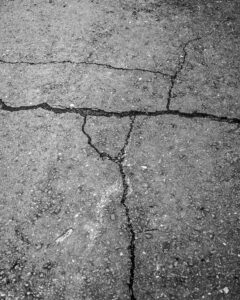
Cracks and settlement are among the clearest signals of structural trouble. Cracks come in many shapes and sizes; horizontal cracks typically suggest more serious movement than hairline vertical cracks. Settlement happens when the soil under your foundation shifts, causing uneven floors and misaligned doors or trim. If you see these signs, schedule a professional assessment to gauge severity and next steps.
The foundation is the connection between the house and the soil — when it fails, the entire structure is at risk.
Foundation Failure: How Damage Threatens Building Stability
Foundations are primary structural elements that transfer a building’s loads to the soil. When these elements are damaged, overall stability is compromised; in severe cases, that damage can lead to partial or full collapse.
A case study of foundation failure of a residential building: From diagnosis to reparation, A Merah, 2021
How Water Intrusion Harms Basements and Foundations
Water that gets into basements or behind foundation walls can cause serious problems: it weakens materials, encourages mold, and degrades indoor air quality. Over time, persistent moisture can undermine foundation walls and floors and lead to expensive structural repairs. Keep gutters and drainage in good shape and consider professional waterproofing solutions to lower that risk.
How Foundation Issues Affect Your Home’s Market Value
Foundation problems can reduce a home’s market value because buyers often see them as a sign of future expense and risk. That perception can lead to lower offers and a longer time on the market.
What Foundation Problems Do to Appraisals and Resale Price
Appraisers commonly account for the cost of needed foundation repairs when estimating value. Depending on damage severity and local conditions, unresolved foundation issues can shave roughly 10–20% off a home’s appraised value — a hit that can deter buyers and complicate resale.
How Much Value Can Foundation Damage Cost in New England?
In New England, where soil movement and moisture vary widely, foundation damage can have a noticeable financial impact. Homeowners may see value reductions in the neighborhood of $10,000 to $30,000 or more, depending on damage extent and local market conditions. Knowing regional risks helps you plan and protect your property’s value.
Why Professional Foundation Inspection and Repair Pay Off
Hiring a qualified inspector and contractor protects your home and your wallet. Professionals restore structural integrity, provide a clear diagnosis, and recommend long-term fixes that reduce the chance of repeat issues. Addressing problems early usually costs less than waiting until damage becomes extensive.
How a Foundation Inspection Finds Hidden Damage and Protects Value
A thorough inspection combines visual checks, moisture measurements, and experienced judgment. Inspectors spot damage you might miss and deliver recommendations tailored to your situation. That early action helps stop small problems from turning into major value-loss events.
Repair Methods That Restore Strength and Improve Marketability
Common repair approaches — such as crack sealing, underpinning, and targeted waterproofing — are designed to stabilize the structure and prevent recurrence. Each project matches a specific issue, and the right repairs can noticeably improve how buyers and appraisers view your home. Always consult qualified professionals to choose the best strategy.
How Basement Waterproofing Protects Your Home and Can Boost Its Value
Proper basement waterproofing is an effective way to prevent water damage and preserve a home’s condition. By keeping moisture out, you reduce repair needs and maintain a healthier living space — benefits that matter to buyers.
Key Benefits of Basement Waterproofing Against Water Intrusion
Waterproofing lowers hydrostatic pressure, creates a reliable moisture barrier, and can lead to long-term savings by preventing rot and mold. Managing water effectively protects your foundation and helps avoid secondary problems that harm structural integrity.
Does Waterproofing Raise Buyer Confidence and Resale Value?
Yes. A waterproofed basement signals to buyers that the home has been cared for, which often translates to stronger offers and faster sales. That investment both protects the property and improves its market appeal.
What Foundation Repair and Waterproofing Typically Cost — and How to Finance It
Understanding costs for foundation repair services and waterproofing helps you plan. Prices vary widely based on damage severity and the chosen repair method, so get detailed estimates before deciding.
How Repair Expenses Compare with Potential Value Loss
Repair bills can be significant, but delaying work often leads to a larger hit in property value. In many cases, the long-term cost of doing nothing exceeds the price of timely repairs — financially and structurally.
Financing Options for Foundation Repairs in New England
Homeowners in New England typically finance repairs through home equity loans, personal loans, or specialized home-improvement programs. Comparing rates and terms can make major repairs more manageable while protecting your home’s value.
Frequently Asked Questions
What are the long-term consequences of ignoring foundation problems?
Ignoring foundation issues can lead to growing structural instability and safety risks. Small cracks or settlement can escalate into major repairs, creating significant unexpected expenses. You may also face water intrusion, mold, and poorer indoor air quality — all of which reduce comfort and resale appeal. When selling, known foundation problems can mean lower offers or a much longer time on the market.
How can I find a qualified foundation repair contractor?
Start with referrals from friends, family, or real estate professionals, and check reviews on trusted sites. Verify that contractors are licensed and insured and have demonstrable foundation repair experience. Request multiple quotes, ask for references, and insist on a written estimate and scope of work. A reputable contractor should also explain warranties and expected timelines.
What preventative measures can I take to protect my foundation?
Good drainage is the first line of defense: keep gutters clean, direct downspouts away from the foundation, and slope soil away from the house. Maintain landscaping to prevent erosion, monitor soil moisture (especially during dry spells), and consider a soaker hose for consistent moisture near foundation beds. Regular visual checks and periodic professional inspections catch issues early.
Are there any DIY solutions for minor foundation issues?
For very small, non-structural cracks, homeowners sometimes use epoxy or polyurethane sealants as a temporary fix. Exercise caution: those repairs can hide deeper problems. If you see larger cracks, settlement, or other structural signs, consult a professional — DIY patches might delay a proper repair and increase costs later.
How often should I have my foundation inspected?
Consider a professional inspection every few years, and sooner if you notice warning signs like new cracks, sticking doors, or uneven floors. Homes in areas with active soil movement or heavy rainfall may benefit from more frequent checks.
What role does soil type play in foundation stability?
Soil type strongly affects foundation behavior. Clay soils expand and contract with moisture, which can move foundations; sandy soils drain well but may not pack tightly enough to support heavy loads without proper preparation. Knowing your soil composition helps you choose the right foundation design and preventative steps to maintain stability.
Conclusion
Taking foundation concerns seriously protects both your home’s safety and its market value. By watching for warning signs, investing in professional inspections and repairs, and using waterproofing where needed, you limit future costs and preserve your property’s appeal. Act early, and consider our experienced team if you need guidance on foundation repair or waterproofing.