
 MORE LOCATIONS
Finding water in your basement long after a storm ends is unnerving — and more common than you might think. This guide explains why water keeps coming in, how hydrostatic pressure and saturated soil drive that problem, and which fixes actually work. We’ll walk through common causes, the signs that your foundation needs attention, and proven waterproofing and repair options. We’ll also touch on how New England’s weather makes these issues worse and what professionals can do to protect your home.
What Causes Basement Water Intrusion After Rain Has Stopped?
When water lingers in your basement after rain, it’s usually because the soil around the foundation is saturated and hydrostatic pressure builds up. That pressure pushes groundwater toward weak spots in the foundation — cracks, joints, and seams — and keeps forcing water inside even when the sky is clear. Slow-draining soils and poor site drainage extend the problem, so the ground stays wet long after rainfall ends.
How Does Hydrostatic Pressure Affect Basement Walls?
Hydrostatic pressure is the sideways force groundwater exerts on your foundation walls. As surrounding soil soaks up water, that force increases and can open up or widen cracks, push on wall assemblies, and drive water through tiny gaps. Properly designed drainage and waterproofing relieve that pressure by channeling water away from the foundation before it can build up.
Which Foundation Cracks Allow Water to Enter Your Basement?
Not all cracks are equal. Vertical hairline cracks often come from settling or shrinkage and can let water seep in, while horizontal cracks or stair-step cracks frequently point to bigger structural stress and greater leakage risk. Small cracks can often be sealed with epoxy; larger or active cracks usually need more robust repair methods and an assessment of the underlying cause.
What Are the Common Signs of Foundation Damage and Water Seepage?
Spotting water and foundation problems early keeps repair costs down. Watch for visible wall cracks, damp or discolored patches on walls and floors, persistent musty odors, and any mold or mildew growth. These are clear indicators that moisture is entering and that the foundation may be compromised.
How to Identify Visible Foundation Cracks and Damp Spots
Inspect your basement regularly. Look for cracks wider than 1/8 inch, water stains, efflorescence (white mineral deposits), and soft or peeling paint. A moisture meter can reveal hidden dampness behind finishes. Catching issues early makes remedies simpler and less expensive.
When Does Basement Water Intrusion Indicate Serious Structural Issues?
Frequent flooding, large or growing cracks, bowed or leaning walls, and ongoing dampness are red flags for structural concern. If these signs appear, call a qualified foundation specialist — delayed action can lead to worsening damage and much higher repair bills.
Which Basement Waterproofing Solutions Effectively Prevent Water Entry?
Effective waterproofing targets the source of water and reduces hydrostatic pressure. That can mean exterior membranes and drainage to stop water before it hits the foundation, interior drainage systems to capture and remove water that gets in, or a combination of both depending on the problem.
How Do Exterior Waterproofing Systems Work to Stop Water Intrusion?
Exterior waterproofing creates a sealed barrier between soil and foundation using membranes, coatings, and exterior drains. Combined with proper grading and perimeter drain systems, it diverts groundwater away from the foundation and prevents pressure from building against your walls.
 What Role Do Sump Pumps and Basement Drainage Systems Play?
Sump pumps and interior drainage systems are the fail-safe for water that reaches your basement. Interior drains (like French drains) collect seepage and route it to a sump pit, where a pump removes the water from your house. Together, these systems manage interior water and protect living spaces from flooding.
Crack-X focuses on foundation repair and basement waterproofing, offering targeted services such as crack sealing, interior drainage installation, sump pump systems, and full exterior waterproofing. Our approach reduces hydrostatic pressure and gives homeowners durable, long-term protection.
How Can Professional Foundation Crack Repair Stop Basement Flooding?
Professional crack repair restores the foundation’s integrity and stops active leaks. Trained technicians assess the crack type and movement, then choose the repair method that will seal the opening and, when needed, reinforce the structure to prevent recurrence.
What Are the Durable Repair Techniques for Foundation Cracks?
Common, long-lasting repair methods include epoxy injections for rigid sealing of small cracks, polyurethane foam injections that expand to fill larger or actively leaking gaps, and carbon fiber reinforcement to stabilize bowed or failing walls. Each method targets different problems — a technician will recommend the most appropriate solution for your situation.
When Should You Schedule a Professional Foundation Inspection?
Schedule an inspection if you notice cracks, dampness, bowing walls, recurring water entry, or after severe weather events. Regular inspections — especially after heavy storms or freeze-thaw cycles — help catch problems while they’re still manageable.
How Does New England’s Climate Impact Basement Water Problems?
New England’s mix of heavy rain, spring snowmelt, and freeze-thaw cycles amplifies basement moisture issues. Soils that retain water and repeated freeze-thaw cycles can increase hydrostatic pressure and widen existing foundation weaknesses.
Why Is Hydrostatic Pressure More Challenging in New England?
Many New England soils are clay-rich and slow to drain, so saturation lasts longer and pushes more forcefully against foundations. Freeze-thaw cycles can also open cracks and allow more water entry. Homeowners in the region need strategies that address prolonged saturation and seasonal temperature swings.
 What Are the Latest Waterproofing Technologies for New England Homes?
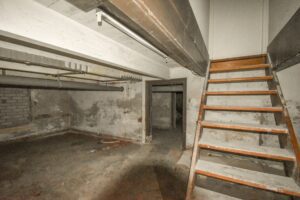 What Are the Latest Waterproofing Technologies for New England Homes?
Modern solutions tailored for the region include advanced perimeter drainage designs, high-performance waterproof membranes, and durable interior drainage systems built to handle seasonal runoff and snowmelt. These technologies augment traditional methods to give more reliable results in tough climates.
What Are the Best Practices to Maintain a Dry Basement Year-Round?
Keeping your basement dry takes ongoing attention. Combine good site drainage with well-maintained waterproofing systems, and perform seasonal checks so small issues don’t become major repairs.
How to Monitor and Maintain Basement Waterproofing Systems
Inspect sump pumps, check interior drains for blockages, and look over waterproof membranes and exterior grading annually. Keep gutters and downspouts clear and direct downspouts at least 5 feet away from the foundation to reduce standing water next to your home.
Which Preventative Measures Reduce Future Foundation Damage?
Preventative steps include proper grading so the landscape slopes away from the foundation, routine gutter/downspout maintenance, and installing features like rain gardens or French drains where needed to manage runoff. Regular inspections and prompt repairs protect your foundation over time.
| Waterproofing Method | Description | Effectiveness |
|---|---|---|
| Exterior Waterproofing | Forms a continuous barrier between soil and foundation to keep moisture out | High |
| Interior Drainage Systems | Collects water that enters and routes it to a sump for removal | Medium |
| Sump Pumps | Pumps accumulated water out of the basement to prevent flooding | High |
In short, understanding what drives basement water intrusion — especially hydrostatic pressure — and using the right combination of waterproofing and repairs will keep your basement dry. Addressing problems early and working with experienced professionals reduces risk and saves money over the long run.
Frequently Asked Questions
What are the long-term effects of ignoring basement water intrusion?
Left unchecked, basement water leads to structural damage (worsening cracks, bowed walls), persistent mold and mildew, and degraded indoor air quality. Over time, repair costs rise significantly, so prompt attention is crucial to protect both your home and your family’s health.
How often should I inspect my basement for water issues?
Inspect your basement at least twice a year — spring and fall are ideal — and after any heavy storm or rapid snowmelt. Check for new cracks, moisture stains, musty odors, and pump operation to catch issues early.
Can landscaping affect basement waterproofing?
Absolutely. Proper grading and well-placed plantings direct water away from your foundation. Keep large trees and deep-rooted shrubs away from foundation walls, and slope flower beds and lawn areas so runoff moves away from the house.
What should I do if I find mold in my basement?
First, eliminate the moisture source. For small mold patches, clean with detergent and water or a manufacturer-recommended cleaner and dry the area thoroughly. For widespread mold, or if you have health concerns, hire a professional remediation specialist to ensure safe, effective removal.
Are DIY waterproofing solutions effective?
DIY fixes (sealants, waterproof paints) can help for minor, short-term issues, but they often don’t address the underlying cause. For persistent leaks or structural concerns, a professional assessment and targeted repair deliver longer-lasting protection.
How can I improve drainage around my home?
Start with clean gutters and downspouts that discharge at least 5 to 10 feet from your foundation. Consider French drains, swales, or regrading to improve runoff paths. Regular maintenance of these systems keeps them working when you need them most.
What are the signs that I need to upgrade my waterproofing system?
Frequent or recurring water entry, ongoing dampness, mold, or visible foundation movement are signs your current system isn’t adequate. If problems persist despite maintenance, consult a professional to evaluate upgrades like exterior waterproofing or an improved interior drainage system.
Conclusion
Basement water intrusion is driven by clear causes — hydrostatic pressure, poor drainage, and foundation weaknesses — and it’s preventable with the right approach. Spot problems early, combine exterior and interior solutions where appropriate, and rely on experienced professionals to design repairs that last. Contact our team to evaluate your home and build a plan that keeps your basement dry and secure.