
 MORE LOCATIONS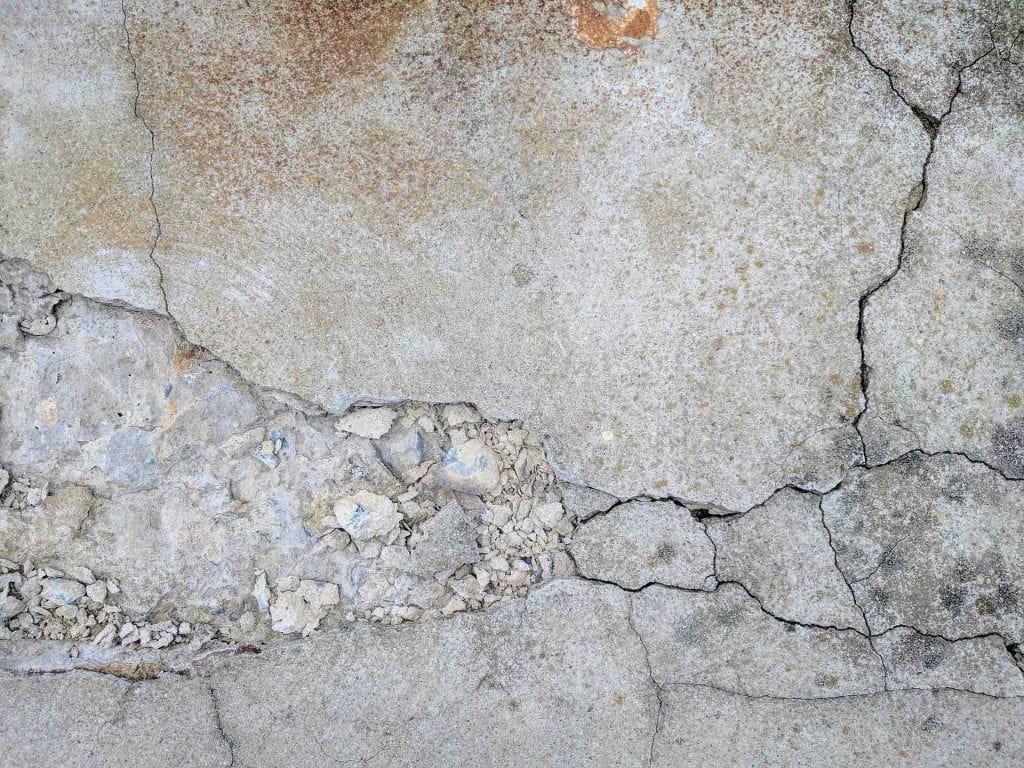
Foundation trouble is one of those repairs you don’t want to ignore especially in New England, where soil conditions and weather cycles can make things worse fast. This guide walks you through the earliest signs of foundation problems so you can spot issues before they grow expensive. We cover common crack types, interior and exterior warning signs, how the region’s climate matters, and why catching problems early protects your home’s value.
What are the most common foundation crack warning signs in New England?
Cracks are usually the first visible clue that a foundation is moving or stressed. Some cracks are cosmetic; others point to real structural concern. Knowing the difference helps you decide when to watch and when to call a pro.
How to identify hairline, diagonal, and stair-step cracks

Hairline cracks are very thin—typically under 1/8 inch—and often cosmetic. Diagonal cracks, which can show up on interior or exterior walls, are more worrying when they exceed 1/4 inch. Stair-step cracks run along mortar joints in brick or block walls and commonly mean the foundation has shifted. Keep a simple log (photo + date) and recheck periodically; widening or new cracks warrant professional review.
Professional evaluations are especially important for these crack patterns.
Home inspector: diagnosing stair-step and diagonal foundation cracks
Home inspectors often identify “stair-step” and diagonal cracks as indicators of foundation movement. These patterns can result from differential settlement, moisture changes, or applied loads and may progress to vertical or stair-step cracking if left unchecked.
When do foundation cracks indicate serious structural issues?
Be concerned when cracks widen over time, when multiple cracks appear in different areas, or when cracks are paired with other symptoms—doors that stick, windows that bind, or sudden changes in interior lines. Cracks wider than 1/4 inch or those that grow quickly usually need a structural assessment to find the root cause and necessary repairs.
Which interior signs reveal early foundation settlement problems?
Inside the home, some subtle changes often show up before dramatic exterior signs. Catching these early can save time and money.
How uneven or sloping floors signal foundation movement
Floors that slope, sag, or feel bouncy can indicate underlying foundation or soil settlement. Walk the rooms, use a ball or marble to detect slopes, and look for changes near additions, heavy loads, or plumbing runs. Persistent unevenness should prompt a specialist evaluation.
Why sticking doors and windows are warning signs
When the foundation shifts, frames move and gaps change—doors and windows that suddenly stick, rub, or no longer latch can point to that movement. Note whether the problem is seasonal (expands in humidity) or constant; either way, document it and consider a professional inspection.
What exterior and basement indicators should New England homeowners watch for?
Exterior and basement clues often confirm what interior symptoms suggest. Regular visual checks outside and below grade help spot serious problems early.
Recognizing bowing walls, leaning chimneys, and gaps around frames
Bowing basement walls, a chimney that tilts, or visible gaps between trim and masonry are all red flags. These signs suggest pressure or movement in the foundation system and should be evaluated promptly—especially if you notice new cracks nearby or increasing separation.
How water intrusion and musty odors point to foundation damage
Basement water or persistent musty smells usually mean moisture is entering through cracks, joints, or poorly drained soils. That moisture can accelerate structural problems and mold growth. Address drainage, grading, and any foundation breaches quickly to prevent larger issues.
How do New England’s unique climate and soil conditions affect foundation health?
New England’s freeze-thaw cycles, variable soils, and historic construction practices combine to create specific foundation risks. Understanding them helps you prioritize preventative steps.
What role do freeze-thaw cycles and soil movement play?
Repeated freezing and thawing causes soil to heave and then settle. When wet soil freezes it expands, pressing on foundations; when it thaws it can leave voids that allow settling. Proper drainage, consistent moisture control, and attention to landscaping reduce these shifts.
 Why is pyrrhotite a serious concern for Massachusetts and Connecticut homes?
 Why is pyrrhotite a serious concern for Massachusetts and Connecticut homes?
Pyrrhotite is a sulfide mineral that, when present in concrete aggregate, can oxidize with moisture and oxygen, causing the concrete to expand and crack. In parts of Massachusetts and Connecticut this has damaged foundations. If your home is in an affected area, test suspect concrete and factor results into repair planning.
Research highlights how widespread pyrrhotite-related concrete damage can be in these states.
Pyrrhotite-related foundation damage in New England
Studies have identified pyrrhotite in quarried coarse aggregate linked to foundation cracking—affecting over 35,000 homes in Connecticut and more than 10,000 homes in Massachusetts.
Further work traces the mineral’s source and regional impact.
Pyrrhotite traced to northeast Connecticut quarry
Investigations show the pyrrhotite originated from a quarry in northeast Connecticut and has been implicated in damage to foundations across parts of Connecticut and nearby areas of Massachusetts.
Why is early detection of foundation damage crucial for New England homeowners?
Finding problems early limits repair scope, keeps costs down, and preserves resale value. Small fixes now often prevent major structural work later.
How early signs help prevent costly repairs and protect home value
Addressing small cracks, drainage issues, or mild settlement early reduces the chance of larger structural repairs—and the associated interruption and expense. Regular monitoring and timely intervention protect both safety and property value.
When should you schedule a professional foundation inspection?
Arrange an inspection if you spot growing cracks, uneven floors, sticking doors, bowing walls, or water intrusion. If you live in an area with known pyrrhotite risk or have an older home, consider a professional review every few years or when you notice changes.
| Crack Type | Characteristics | Severity Indicator |
|---|---|---|
| Hairline Cracks | Less than 1/8 inch wide | Generally minor — monitor |
| Diagonal Cracks | Often exceed 1/4 inch | Possible structural concern |
| Stair-Step Cracks | Follow mortar joints | Signs of foundation movement |
This table summarizes common crack types and what they usually mean. Use it as a quick reference while you inspect your home.
New England homeowners should stay alert to foundation warning signs. With regular checks, good drainage, and prompt action on early symptoms, you can limit damage, avoid big repairs, and keep your home safe and market-ready.
Frequently Asked Questions
What are the long-term effects of ignoring foundation damage?
Ignoring foundation damage lets problems grow. What starts as small cracks can lead to more severe structural issues—uneven floors, stuck doors, and roof misalignment—and can raise repair costs dramatically. Ongoing water intrusion also invites mold, which brings health and remediation costs. Fix small signs early to avoid these long-term consequences.
How can I prevent foundation damage in my home?
Prevent damage by keeping water away from the foundation: maintain gutters, slope soil away from the house, and fix leaks. Keep soil moisture relatively even—extreme wetting and drying causes movement. Avoid planting large trees too close to the foundation and use landscaping that promotes drainage.
What should I do if I find cracks in my foundation?
Note the crack’s size, location, and whether it’s changing. For hairline cracks, monitor and seal if needed. For diagonal, stair-step, or widening cracks, contact a foundation specialist for an assessment and repair plan. Early professional advice helps you choose the right, cost-effective fix.
Are there specific seasons when foundation issues are more likely to occur?
Yes. Freeze-thaw cycles in winter and heavy spring rain are common triggers in New England. Winter heave and spring saturation change soil pressures around foundations, so inspect after those seasons and address any new signs promptly.
How often should I have my foundation inspected?
If you live in a higher-risk area or own an older home, schedule inspections every few years. Otherwise, inspect visually twice a year and call a professional if you see new or growing cracks, water intrusion, or structural changes.
What are the costs associated with foundation repair?
Costs vary widely based on cause and severity. Minor repairs can be a few hundred to a few thousand dollars; major stabilization or reconstruction can run several thousand to tens of thousands. Get multiple estimates from reputable contractors and weigh long-term value when choosing repairs.
Conclusion
Recognizing early signs of foundation damage gives New England homeowners the best chance to protect their investment and avoid costly surprises. Know the crack types, watch for interior and exterior clues, manage water and soil conditions, and call a pro when things change. Small, timely actions preserve safety and home value—start checking today.