
 MORE LOCATIONS
Foundation cracks can quickly turn into expensive problems if they’re not fixed the right way. DIY kits look cheap and simple, but many homeowners end up spending more later when the real cause goes unchecked. This article walks through the common mistakes people make with DIY repairs, the hidden costs that follow, and why a professional approach prevents repeat issues and protects your home.
Common Risks of DIY Foundation Crack Repair
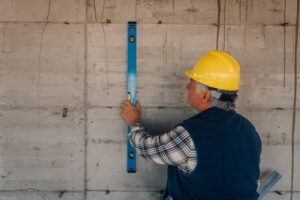
Tackling a foundation crack yourself often leads to two problems: misdiagnosis and surface-level fixes. People see a hairline crack and treat the symptom without finding what caused it. That leaves the real problem — soil movement, drainage, or water pressure — unresolved.
Most homeowners start DIY repairs with good intentions: to save money, to act fast, or because the visible damage looks minor. Those motives are understandable, but they don’t replace a professional assessment.
Understanding DIY Home Repair Motivations and Housing Impact
A look at the kinds of work people do themselves, why they choose to do it, and how those choices affect the overall housing stock.
Choice or necessity? A review of the role of DIY in tackling housing repair and maintenance, 1987
Why Misdiagnosis Causes DIY Repairs to Fail
Misreading what a crack means is common. A small crack on the interior can hide bigger issues outside—eroding soil, poor drainage, or shifting footings. Without a professional inspection, a DIY patch may mask symptoms but won’t stop the damage. That’s when small repairs turn into major jobs.
How Surface Fixes Differ from Structural Solutions
Surface fixes—caulks, silicone, or quick-fill products—can look like success at first. They stop visible leaks but don’t stabilize the foundation. Structural solutions begin with a full diagnosis and target the cause: improved drainage, underpinning, or injecting stabilizing resins. Spending more up front on a proper repair prevents repeat work and extra cost later.
How DIY Foundation Repair Affects Long-Term Costs and Home Value
A cheap DIY fix can turn into a costly mistake. Homeowners often underestimate the cumulative cost of failed repairs, which can reduce resale value and lead to surprise expenses when a correct repair becomes unavoidable.
Hidden Costs of Failed DIY Repairs vs. Professional Services
The out-of-pocket cost for a DIY kit is small, but if the repair fails you’ll likely pay for a professional fix anyway—plus any additional damage that occurred in the meantime. For example, a $200 DIY attempt that doesn’t hold may lead to a professional repair costing $2,000 or more. The numbers below show the difference between a temporary band-aid and a guaranteed repair.
| Repair Type | Initial Cost | Potential Long-Term Cost | Total Cost |
|---|---|---|---|
| DIY Repair | $200 | $2,000 | $2,200 |
| Professional Repair | $2,000 | N/A | $2,000 |
This comparison shows how a seemingly inexpensive DIY approach can end up costing more than an upfront professional repair.
How DIY Repairs Affect Resale and Insurance
DIY patch jobs can raise red flags with buyers and insurers. Visible repairs or recurring cracks can lower offers or delay a sale. Insurance and warranty claims may be denied if repairs weren’t done by licensed professionals. When it comes time to sell, undisclosed or poorly documented repairs can be costly.
Professional Techniques That Deliver Lasting Foundation Repairs
Professionals use proven methods that address both the crack and its cause. The right technique depends on the issue, but the goal is always the same: a stable, watertight foundation that doesn’t need repeated attention.
How Epoxy and Polyurethane Injections Work Long-Term
Epoxy and polyurethane injections are standard professional fixes. Injected into cracks, these materials bond with concrete and form a waterproof barrier. Epoxy provides structural strength; polyurethane is flexible and blocks water. Unlike temporary DIY fillers, these injections are chosen and applied to last.
 Why a Full Foundation Inspection Matters Before Repair
 Why a Full Foundation Inspection Matters Before Repair
A thorough inspection uncovers the full picture: visible cracks, soil conditions, drainage problems, and any movement in the structure. Only after that assessment can a contractor recommend a repair plan that targets the root cause—saving you time and money in the long run. Skipping this step risks doing the wrong work.
Systematic inspections and methodical repair selection are core to professional practice. Proper classification of defects and matching techniques prevents trial-and-error fixes.
Professional Building Repair Techniques & Inspection Systems
Using classification lists in inspection systems helps surveyors match defects to the most suitable repair techniques. Repair methods should be part of maintenance plans as corrective or preventive measures, with choices guided by a correlation of defect type and building element.
Repair Techniques, J de Brito, 2020
Why Professional Repair Is Especially Important in New England
New England’s freeze-thaw cycles and diverse soils create special challenges for foundations. Local experience matters because techniques that work in one region may fail in another.
How Freeze-Thaw Cycles and Soil Type Affect Foundation Stability
When water gets into a crack and freezes, it expands and widens the gap. Repeated freeze-thaw cycles speed up damage. Soils that swell with moisture put extra pressure on footings. Professionals consider these factors when choosing materials and repair methods so repairs hold up through changing seasons.
Unique Challenges New England Homeowners Face
New England homeowners often need tailored strategies—for example, different approaches for clay-heavy lots versus sandy sites. Local contractors know which fixes resist seasonal movement and how to improve drainage to reduce future risk.
How to Spot When a DIY Foundation Repair Has Failed
Catching a failed repair early limits damage. Watch for new or returning signs that suggest the original problem wasn’t solved.
Common Indicators of Structural Problems After DIY Attempts
Warning signs include cracks that reappear, floors that feel uneven, doors or windows that stick, or gaps where walls meet ceilings or baseboards. Any of these symptoms can mean the underlying issue is still active.
When to Call a Professional for Foundation Repair
Call a professional if you see structural signs, if a DIY repair hasn’t held, or if you’re unsure about what you’re seeing. Prompt expert evaluation prevents small issues from becoming big, expensive repairs.
Why Choose Crack-X for Foundation Crack Repair?
Choosing a trusted contractor means the job gets done right the first time. Crack-X combines local know-how, proven methods, and warranties to protect your home and your wallet.
How Crack-X’s Experience and Warranty Give You Confidence
Founded in 1985 as Poxy-Crete, Crack-X brings over 35 years of experience in foundation crack repair and waterproofing. That experience translates into accurate diagnoses and repairs that last. We back our work with warranties to give homeowners added assurance.
What Crack-X Offers Beyond Crack Repair
Beyond sealing cracks, Crack-X provides full inspections and foundation waterproofing to address the whole problem—not just the visible crack. Our services aim to stop leaks, correct drainage, and stabilize foundations so you won’t need repeat fixes.
Frequently Asked Questions
What should I do if I notice new cracks after a DIY repair?
If new cracks appear, document them with photos and timelines, then schedule a professional inspection. New or widening cracks usually mean the root cause is still active and needs a targeted repair.
How can I choose the right professional for foundation repair?
Look for local contractors with foundation-specific experience, clear references, and written warranties. Ask for a detailed inspection report and a step-by-step repair plan. Compare multiple quotes and check online reviews before deciding.
Are there preventative measures I can take to avoid foundation issues?
Yes. Keep gutters and downspouts clear, direct roof runoff away from the foundation, and avoid excessive watering near the house. Regularly check for signs of movement and maintain landscaping that encourages proper drainage.
What are the long-term benefits of professional foundation repair?
Professional repair restores structural integrity, reduces the risk of future problems, and preserves property value. Properly documented repairs also make resale smoother and protect warranty or insurance claims.
How often should I have my foundation inspected?
Plan a professional inspection every few years, or sooner after major weather events like heavy rain, drought, or noticeable shifting. Regular checks catch issues before they become emergencies.
What are the signs that indicate I need a foundation inspection?
Schedule an inspection if you see cracks in walls or floors, doors or windows that bind, uneven floors, or gaps between trim and walls. Any of these signs warrants a professional look.
Conclusion
DIY fixes might look like a quick win, but when the cause isn’t addressed they often cost more in the long run. Professional repairs identify and fix root problems so your foundation stays sound. With experienced teams like Crack-X, you get proven techniques, clear inspections, and warranties that protect your investment. If you suspect foundation issues, reach out to a qualified pro sooner rather than later.